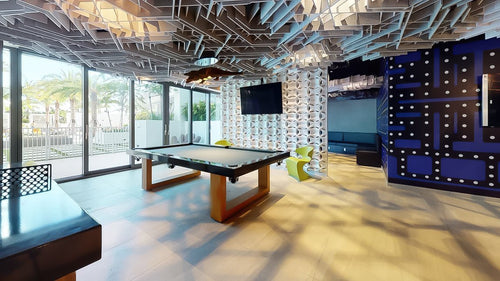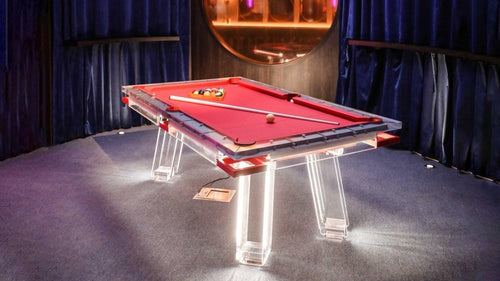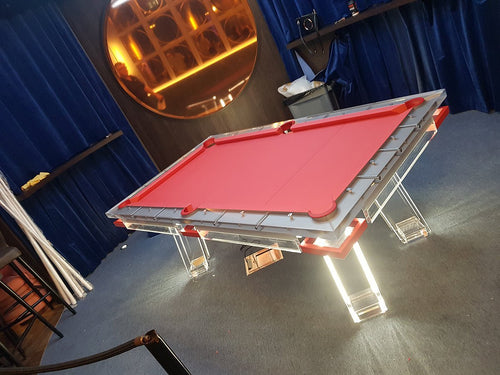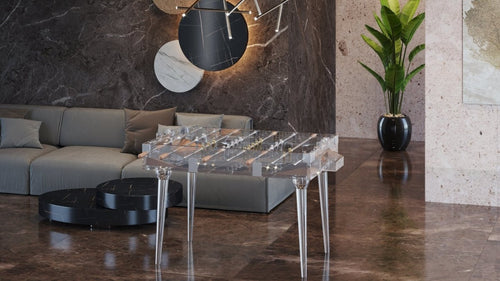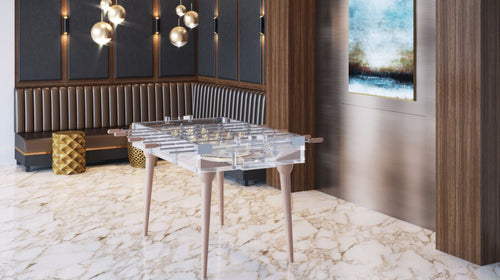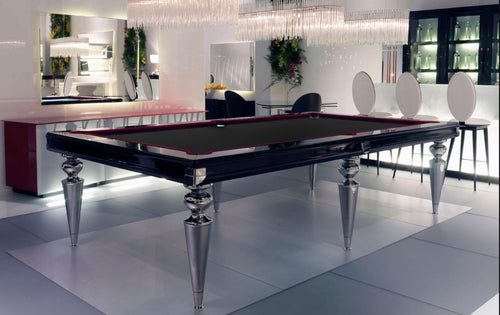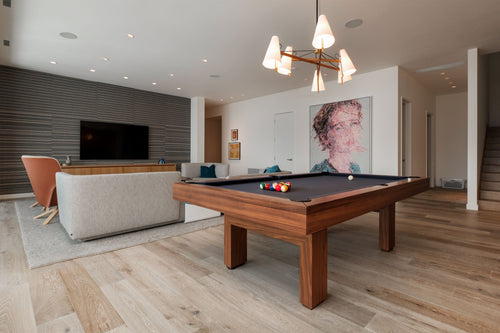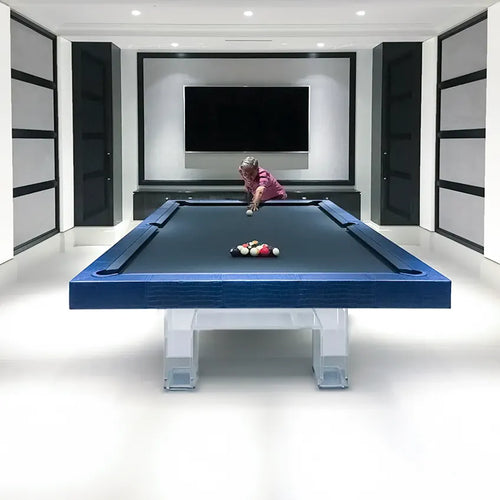


Enjoy our modern designs
Cue Sports
A pre-shot routine gives you a repeatable way to choose a shot, settle into position and prepare to deliver the cue. Treat it as a practical framework to test during practice. It can support consistency, but no sequence guarantees that every shot will succeed.
01
What Is a Pre-Shot Routine?
A pre-shot routine is a series of decisions and physical preparations before a stroke. Keep it short enough to use consistently, and adapt it to your own alignment, mobility and pace of play.
02
Why Is a Pre-Shot Routine Crucial?
1. Enhances Consistency: Consistency is the cornerstone of excellence in pool. A repeatable pre-shot routine can help you prepare consistently. Use practice results to assess whether it reduces avoidable variation.
2. Supports Focus: A familiar sequence gives you a task to return to when attention wanders. Notice distractions and reset rather than expect the routine to eliminate them.
3. Builds Muscle Memory: Purposeful repetition can make a practiced sequence more familiar. Precision and performance under pressure still depend on how you train and execute the shot.
4. Provides a Reset: Pause and settle before proceeding if you feel rushed. A routine is a playing tool, not a promise that nerves will disappear.
5. Facilitates Better Decision-Making: A routine prompts methodical shot analysis—factoring in angles, force, and positioning—leading to smarter, more strategic plays.
03
Common Mistakes in Pre-Shot Routines
1. Rushing the Routine: Skipping or speeding through steps leads to missed details and increased errors.
2. Inconsistency: Failure to apply your routine consistently undercuts its effectiveness. Stick to it for every shot.
3. Overcomplicating the Routine: While thoroughness is good, too many steps can cause confusion. Aim for simplicity and clarity.
4. Neglecting Mental Preparation: Skipping mental checks can erode focus and inflate anxiety levels. Include a mental pause to reset.
5. Ignoring Feedback: Not adjusting your routine in response to performance data can stall improvement. Continuously refine your approach.
04
Steps to Develop an Effective Pre-Shot Routine
- Assess the Table: Survey the layout to identify potential shots and obstacles.
- Select the Shot: Choose the most strategic option based on ball positioning, angles, and outcomes.
- Visualize the Shot: Picture the intended ball paths while standing behind the shot; closing your eyes is optional.
- Position Your Feet: Choose a stable, comfortable position that lets you deliver the cue along the shot line.
- Align Your Body: Leave room for a free stroke. Foot angles, shoulder position and stance width vary between players; square hips and shoulders are not universal requirements.
- Grip and Bridge: Use a relaxed grip and a stable bridge that lets the cue slide freely.
- Cue Alignment: Align the cue with the shot and your personal vision center, which is not necessarily directly below your dominant eye.
- Check the Tip Position: Confirm the intended cue-ball contact and aim during your warm-up strokes.
- Breathing and Relaxation: Use a comfortable breathing pattern and pause if you feel rushed.
- Execute the Stroke: Deliver smoothly with a settled gaze. Many players look at the object ball last, while cue-ball-last can also work; use a practiced eye pattern rather than keep shifting focus during delivery.
05
Checking Your Alignment

These checks can help you review your setup. Alciatore’s stance guidance emphasizes comfort, stability and stroke clearance rather than one compulsory body position:
- Poor Stance and Balance: Misplaced footwork and weight distribution disrupt precision.
- Inconsistent Cue Alignment: A changing head position can change how the line appears. Test and repeat your own vision-center alignment.
- Lack of Visualization: Try visualizing the intended path during practice and assess whether it helps your preparation.
The vision-center explanation shows why dominant-eye alignment is not a universal rule. Try straight shots while making small head-position adjustments until the cue and shot line appear correctly aligned, then work on repeating that setup. See also the discussion of final gaze and pre-shot routine guidance.
06
Practice Makes Perfect
1. Start Simple: Begin with a handful of core steps in your routine. Gradually add more elements once you’re comfortable.
2. Practice Regularly: Reinforce the same sequence every time you play. Repetition can make the sequence more familiar; check that it remains useful under pressure.
3. Customize to Your Needs: Everyone’s technique is different. Adapt your routine to suit your style and strengths.
4. Stay Flexible: If a step doesn’t feel right, adjust it. The ultimate goal is a fluid, reliable process that benefits your game.
5. Incorporate Feedback: Use the results of each shot to refine your routine. Review patterns across several shots rather than changing your routine after every miss.
In Closing
Final Thoughts
A pre-shot routine is a framework for making decisions and repeating a setup, not a guarantee of perfect execution. Start with a manageable sequence, record your results and adjust it with feedback. The aim is a routine that supports your own stable alignment and a free, controlled stroke.