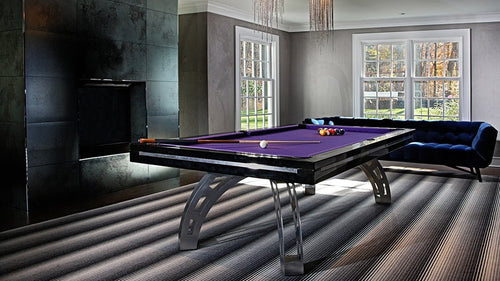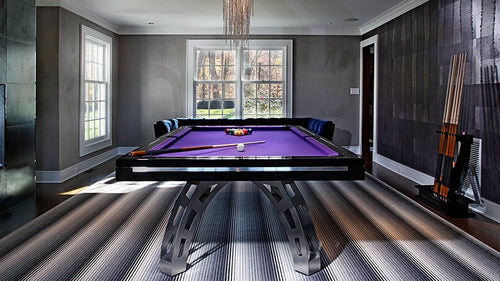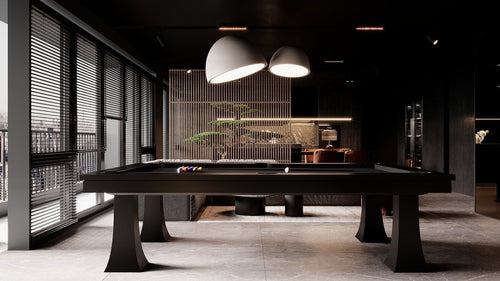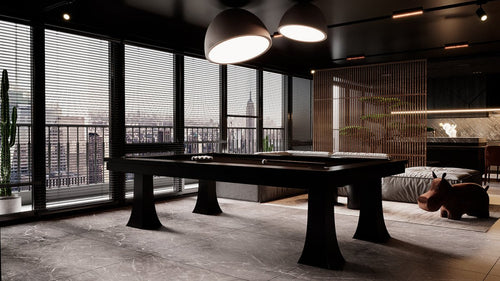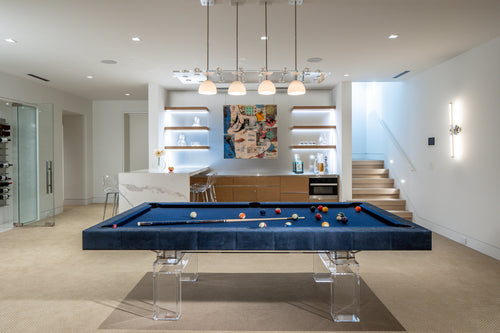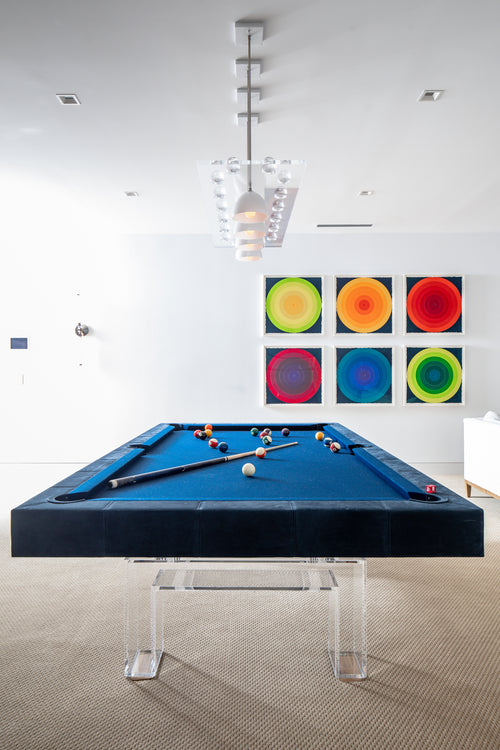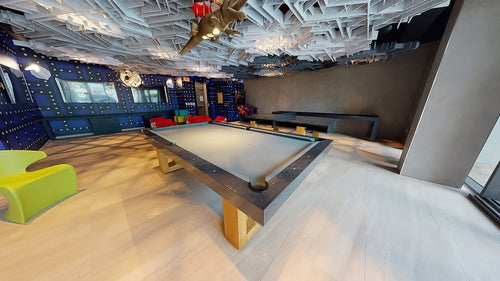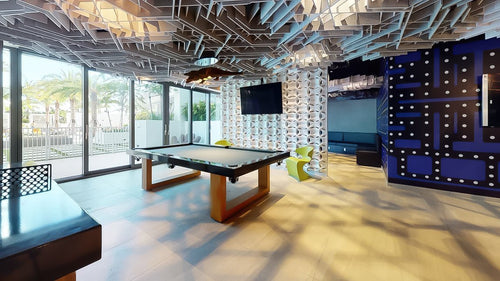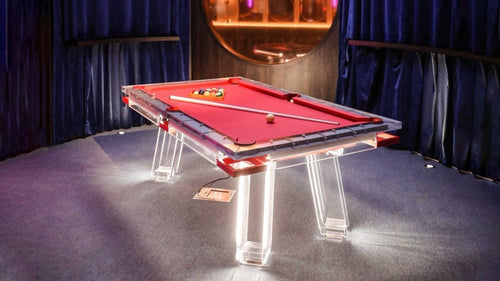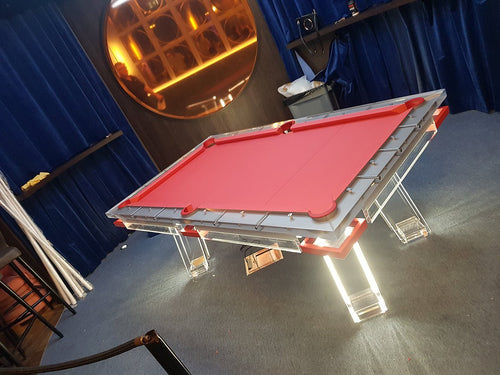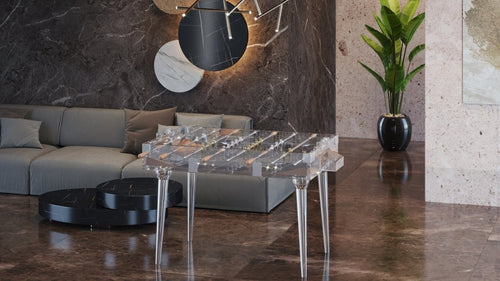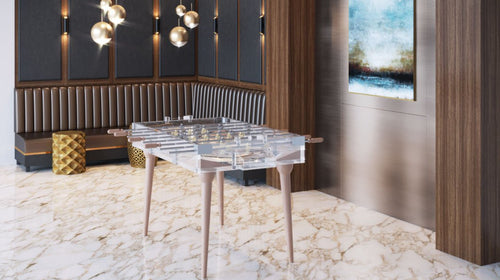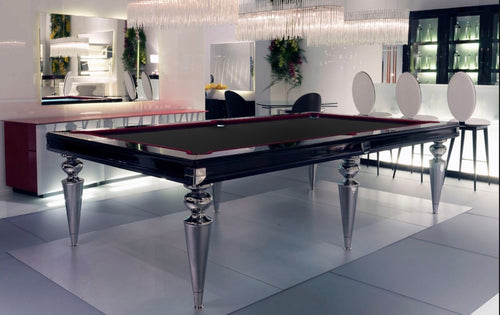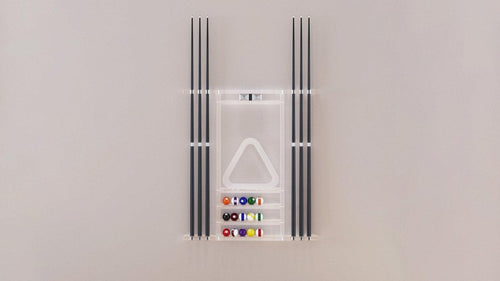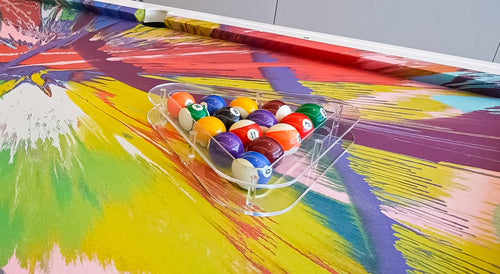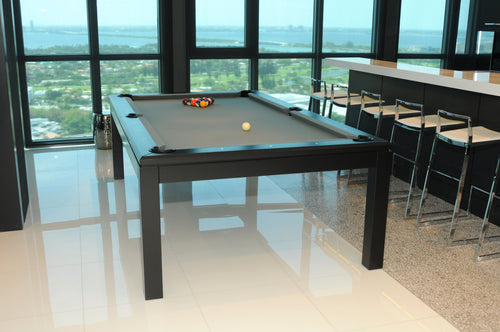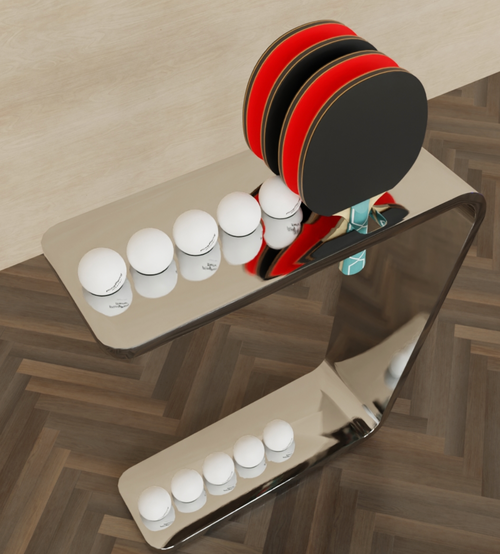


Enjoy our modern designs
Setup & Regulations
Dartboard Height
& Distance
The official regulations, setup standards, and space planning guide — everything you need to mount your board correctly the first time.
Whether you're setting up a home game room or organizing a professional tournament, adhering to the official dartboard regulations ensures fair play, player comfort, and the integrity of the game. The numbers are precise — and getting them right takes less than five minutes.
✦

Regulation dartboard — WDF & PDC standard
Bullseye Height
5'8"
1.73 metres from floor
Floor to centre of bullseye. Standard across WDF, PDC, and BDO formats worldwide.
Throw Line (Oche) Distance
7'9¼"
2.37 metres from board face
Measured from the front face of the dartboard to the back of the oche. Soft-tip dart distances may vary.
Board Diameter
17.75"
451 mm total
Outer diameter of the scoring surface. The bullseye sits at its exact geometric centre.
Diagonal Distance
9'7½"
2.93 metres
The diagonal from bullseye to oche — a useful installation check when direct measurement is difficult.
Governing Bodies
These dimensions are set and enforced by the World Darts Federation (WDF) and the Professional Darts Corporation (PDC) to standardize play across all venues — from local pub leagues to world championship arenas. Soft-tip electronic dartboards use the same height but a slightly shorter throw distance of 8 feet (2.44m).
The Board Itself
Key Features of
Regulation Boards

Scoring zones and segment layout — regulation dartboard
-
20 Numbered Segments
Divided around the board with single, double, and triple scoring rings for each number. The double ring runs around the outer edge; the triple ring sits roughly mid-board. Both score the face value multiplied accordingly.
-
Bullseye — 25 & 50 Points
The centre consists of an outer bull scoring 25 points and an inner bull (double bull) scoring 50. In games like 501, the double bull is a valid checkout — and the highest-scoring single target on the board.
-
Sisal Fibre Construction
Professional bristle boards are made from compressed sisal fibres, which self-heal when darts are removed — the fibres close back around the hole, extending board life significantly. This is why quality boards last years under regular play.
-
Thin Wire Segments
Regulation boards use thin blade wire to separate scoring zones rather than thick round wire. Thinner wire reduces bounce-outs and gives a larger effective target area within each segment, directly improving the quality of play.
-
Rear Bracing
The back of a regulation board includes structural bracing to minimise vibration during play and to prevent the board from shifting on its mounting when darts impact at force.
The regulation measurements aren't arbitrary — they are the result of generations of play converging on the distances that best balance skill, challenge, and accessibility for most human arm lengths and throwing mechanics.— On the ergonomic logic of official dartboard standards
Room Planning
Space Planning
Your Setup

Wall-mounted dart cabinet — closed position
Minimum Room Size
At least 12 ft × 12 ft to accommodate comfortable movement, spectators, and safe throwing space behind the oche.
Lighting
Dedicated overhead lighting positioned above the board eliminates shadows on the scoring zones and reduces eye strain during extended play.
Flooring
Durable flooring — rubber mat, hardwood, or vinyl — protects against stray darts and provides a stable, non-slip throwing surface at the oche.
Oche Placement
The oche should be a raised strip or clearly marked line flush with the floor. Measure from the board face, not the wall, to ensure accuracy.
Wall Protection
A protective backboard surrounding the dartboard prevents wall damage from near-misses and bounce-outs. Cork, sisal tile, or foam backing all work well.
Obstacle Clearance
Keep the full throwing corridor — board to oche and behind — clear of furniture, low ceilings, and light fixtures. Safety first, aesthetics second.
Materials & Durability
What Your Board
Is Made Of

Dart cabinet open — leather & acrylic construction
Sisal Fibre
The professional standard for bristle boards. Compressed sisal self-heals after each dart, dramatically extending board life compared to paper or cork alternatives. Rotate your board periodically to distribute wear evenly across all segments.
Electronic Components
Digital boards use segmented plastic scoring surfaces with sensor arrays. Quality of electronics determines scoring accuracy and longevity. Higher-end units use pressure-sensitive segments that reliably detect even soft hits near zone edges.
Metal Shafts & Wire
Stainless steel or aluminium segment dividers ensure clean zone separation and durability. Thin blade wire minimises bounce-outs. Avoid boards with thick round-wire divisions — they create larger dead zones and produce more frustrating deflections.
Cabinet & Frame
Solid wood or MDF cabinets provide structural mounting and protect the board when not in use. Leather or acrylic door panels add durability. A good cabinet also serves as a scoreboard and dart storage solution in one footprint.
Buying Guide
Choosing the
Right Board
-
Purpose — Recreational or Competitive?
A household bristle board from a trusted brand handles casual play and serious practice equally well. Electronic boards suit households with children or beginners who benefit from automatic scoring and game variations. Competitive players should use a WDF or PDC regulation bristle board regardless of context — consistency of feel matters.
-
Budget
Quality bristle boards begin around £30–£50 at the entry level and scale to £100–£200+ for professional-grade boards with ultra-thin blade wire and premium sisal. The jump from entry to mid-range is more significant than the jump from mid to premium — prioritise the first upgrade.
-
Space Constraints
Confirm the throw distance and overhead clearance before purchasing. A cabinet that projects the board face 3–4 inches from the wall shortens your effective throw distance by that amount — adjust the oche position accordingly.
-
Maintenance Expectations
Bristle boards require periodic rotation and occasional surface brushing. Electronic boards require replacement of worn soft-tip holes over time. Neither demands significant upkeep — but electronic boards have more components that can fail. Choose based on how much you want to think about maintenance.
-
Brand Reputation
Winmau, Unicorn, and Target are the most consistently recommended bristle board manufacturers at both recreational and professional levels. For electronic boards, Gran Board and Viper are well-regarded for reliability and scoring accuracy.
Ready for Your Perfect Game Room?
Luxury pool tables and game room solutions tailored to your space — with custom options and expert support.
Explore Our Game Room Tables →Want help planning your space? Contact us for a free consultation.