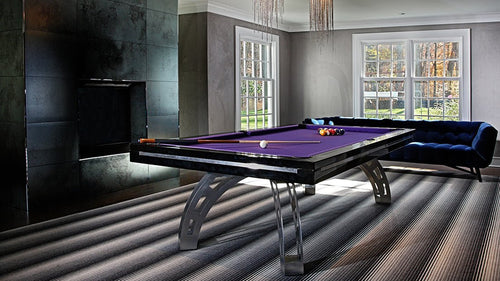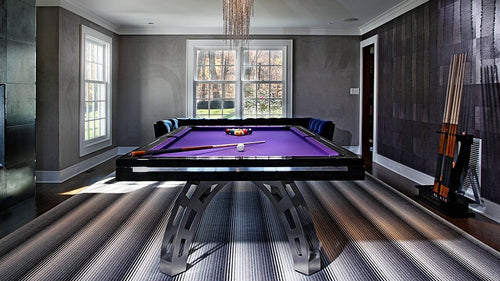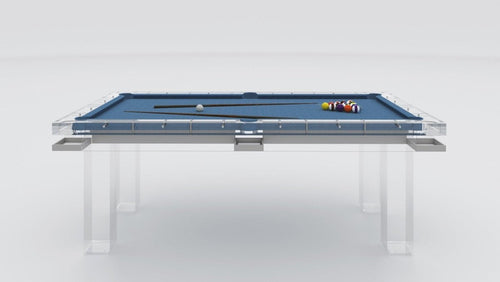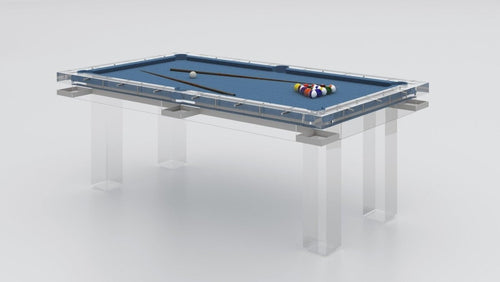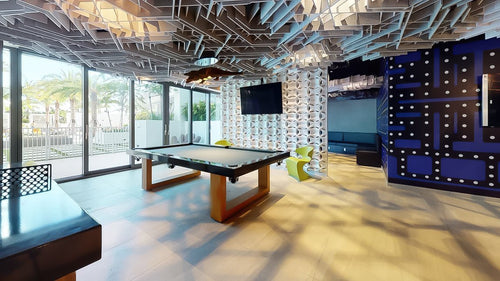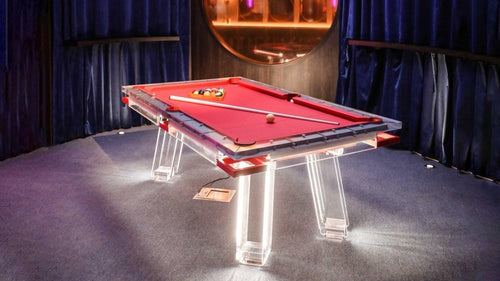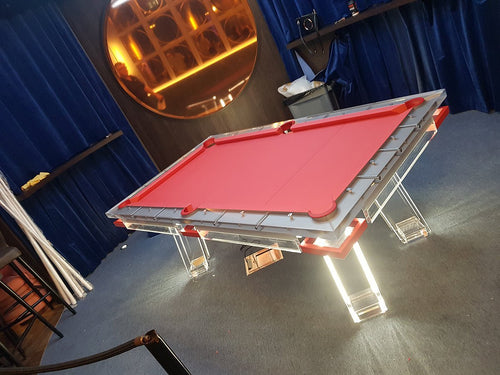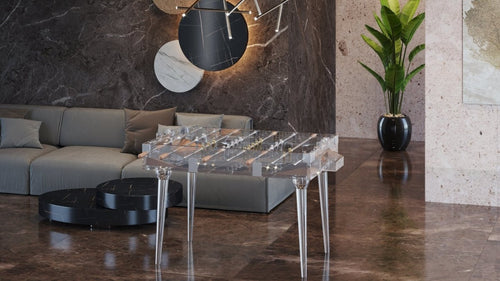


Enjoy our modern designs
Care and Setup
When it comes to maintaining peak performance on the pool table, learning how to clean billiard balls is often underestimated. Yet dirty balls can derail your shots, transfer grime onto your felt, and diminish overall gameplay. Below, we’ll explore why it’s crucial to keep your pool balls spotless and the best methods for doing so.
01
Why Cleaning Your Pool Balls Is Crucial
Pool ball maintenance doesn’t just keep your table looking good—it directly affects game quality. Over time, balls collect oils, dirt, and chalk residue, which can:
- Transfer grime onto the felt, increasing table upkeep and shortening fabric life.
- Cause erratic ball movement, leading to poor bounces and unpredictable recoil.
- Create friction that disrupts the natural roll, impeding shot accuracy.
Even a slight layer of dust or oil can change how your cue ball responds. For a visual demonstration of how contaminants impact play, check out this short video.
02
Methods to Clean Your Billiard Balls
Choose a cleaning method for your ball material and follow the maker’s directions. Here is how to approach manual cleaning, unsuitable household substitutes and polishing machines.
Method 1: Ball Cleaner & Cloth

This is one of the simplest ways to preserve your pool balls’ appearance and performance.
Step 1: Wipe Off Grime
Use a microfiber cloth to gently remove surface dirt from each ball. Place them on a clean towel.
Step 2: Apply Cleaner
Use the amount and method specified on your cleaner. For Aramith phenolic balls, Aramith’s directions say to shake the bottle, apply cleaner, rub and buff with a dry cloth or suitable electrical buffer.
Step 3: Buff and Polish
Spread the cleaner with a separate microfiber cloth. Polish until you achieve a glossy surface, switching towels as needed.
Step 4: Final Buff
Finish according to the product instructions, removing residue with a clean cloth. Do not invent a drying period or apply wax or silicone to change how the balls play.
Household Soap & Detergent: Check Before Using

The household products pictured here are not a general recommendation for billiard balls. Simonis advises against cleaning balls with water. A ball-specific product approved by the ball maker is the better starting point; do not assume a dish-detergent soak is harmless.
Step 1: Identify the Ball Material
Check the brand and material and use its care instructions. Vintage or unidentified balls deserve particular care; ask a specialist before applying a cleaner.
Step 2: Follow the Approved Method
Clean and buff as directed by the ball maker. Do not immerse the set or rinse it under a tap unless those instructions explicitly permit that method.
Method 3: Using a Polisher Machine
If you prefer a professional finish with minimal effort, a ball polisher machine may be your best bet.
Use the polisher manufacturer’s instructions for capacity, cleaning product and cycle duration. There is no universal three-minute cycle. Keep the pads clean so they do not redistribute residue. Aramith allows a suitable electrical buffer in its cleaning directions.
03
How Often Should You Clean Your Pool Balls?
Inspect balls regularly for chalk, oils and other residue. Aramith recommends its cleaner after each game; follow the instructions for your own set rather than relying on a universal monthly schedule.
- Before Play: Check for visible residue and damage, especially if the set has been stored for a while.
- During Heavy Use: Keep clean cloths and the approved ball cleaner available; refresh polishing-machine pads as instructed.
04
Conclusion
Regular care helps keep balls and table cloth clean. Identify the ball material, use an approved cleaner and finish the job according to its instructions. A machine can make repeated cleaning convenient, but neither a household detergent soak nor a fixed cycle time is a universal solution.