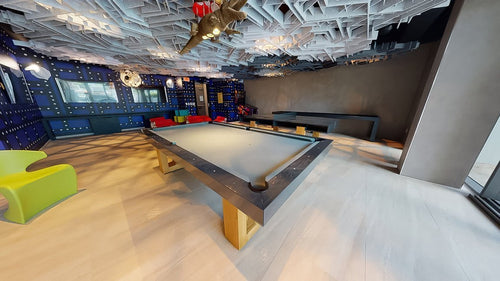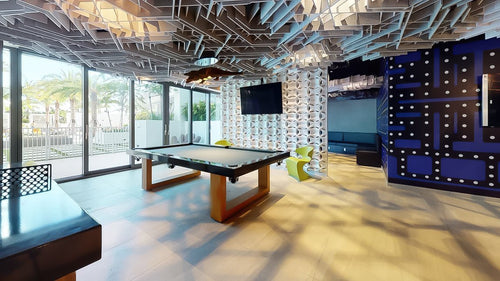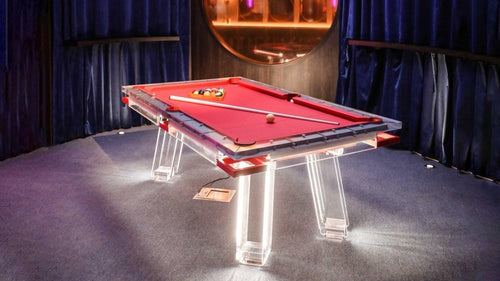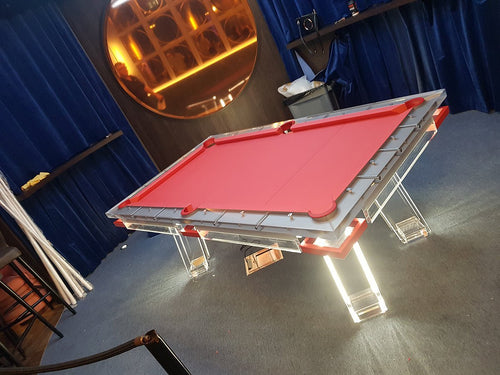


Enjoy our modern designs
Estimated Read Time: 7 mins
Manufacturers, players, room owners and associations have all helped shape billiards’ public image. Brunswick’s history provides one example of family-oriented promotion. Contemporary reports also document exhibitions and instruction, showing how several groups helped present the game to broader audiences.
Table of Contents
- A Sport in Need of a Reputation Makeover
- Promoting a "Respectable" Sport: Key Strategies by Brunswick
- Names and Family-Oriented Settings
- Champions and the Distinct Roles of Associations
- Recreational Venues
- Creating a Narrative of Respectability
- The National Association’s “Better Billiards” Programme
- Distancing Pool from Hustling Culture
- The Lasting Impact
A Sport in Need of a Reputation Makeover
Billiards has appeared in both competitive and gambling settings. Those associations could complicate promotion, but they did not mean that every early room was a gambling den or that all players shared the same reputation.
Promoting a "Respectable" Sport: Key Strategies by Brunswick
Brunswick had a commercial interest in widening the audience for billiards. Its corporate history identifies family-friendly Cue and Cushion establishments in 1947, making recreation and socialising central to the experience it offered.
Names and Family-Oriented Settings
“Pool” and “pocket billiards” have both been used for the game. A formal name can change the tone of a presentation, while the room’s design, atmosphere and activities help determine the experience visitors actually encounter.
The Cue and Cushion venues described by Brunswick combined tables with lounges and soda fountains. That setting made sociability part of the offer: visitors could spend time together around the game as well as take a turn at the table.
Champions and the Distinct Roles of Associations
Championship players supplied a visible demonstration of what skilled billiards looked like. Mosconi’s BCA record lists fifteen world titles, giving his public reputation a substantial competitive foundation. His results gave audiences a concrete example of the game’s demands.
Contemporary records also identify distinct organisations. A November 21, 1935 newspaper report names Clyde A. Storer as president of the National Billiard Association. The Billiard Congress of America was established in 1948; its own history describes producing an official rulebook and organising championships. Manufacturer promotion and association administration belong to related, but distinct, parts of this story.
Formal presentation, recognised champions and consistent rules can give an exhibition or tournament a different atmosphere from casual wagering. That is a way to interpret promotional choices, not proof that attire determines a player’s integrity.
Recreational Venues
Brunswick’s family venues placed billiards within a broader recreational setting. Their combination of play and sociability offered an alternative to the dramatic gambling-room image familiar from pool stories.
Creating a Narrative of Respectability
A room can present billiards through competition, instruction or a shared leisure experience. The differences matter: watching a champion, learning a shot and playing with friends give visitors different reasons to take an interest.
The National Association’s “Better Billiards” Programme
Contemporary Pampa reporting identifies a national Better Billiards programme sponsored by the National Billiard Association of America. An announcement for Willie Hoppe’s appearance at the Pampa Athletic Club offered free instruction and specifically welcomed women. This offered local spectators a chance to learn from a leading player as well as watch him perform.
Another Pampa notice in December 1934 advertised Allen Hall’s appearance under the same programme. Together, the notices show a continuing local programme of appearances, rather than a single isolated exhibition.
Distancing Pool from Hustling Culture
Instruction and organised competition offered a way to present billiards through observable skill. Family-oriented venues offered another route into the game. Neither approach required every room or player to abandon the other cultures surrounding pool.
Associations also developed their own programmes. The BCA’s institutional account describes championship recognition and standardised rules as central to its early work, involving players, rooms, retailers and manufacturers.
The Lasting Impact
Brunswick’s documented contribution includes equipment and a family-oriented recreational setting. Associations and players made their own contributions through organised competition, instruction and exhibitions.
Pool continues to accommodate competition, recreation and colourful storytelling. This variety makes its promotional history richer than a simple transition from disreputable to respectable.
Taken together, the venue programme, association records and exhibition notices show several routes into the game. Pool could be sold as equipment, presented as a demanding competition and enjoyed as shared recreation.
Sources
References checked October 19, 2026: 1947 Cue and Cushion establishments; Mosconi’s championship record; BCA founding and official-rulebook programme; November 21, 1935 contemporary report identifies National Billiard Association president Clyde A. Storer; Pampa contemporary announcement: Hoppe instruction and national Better Billiards sponsor; December 1934 Pampa announcement for Allen Hall under the same programme.