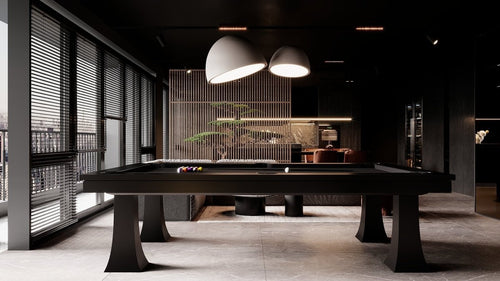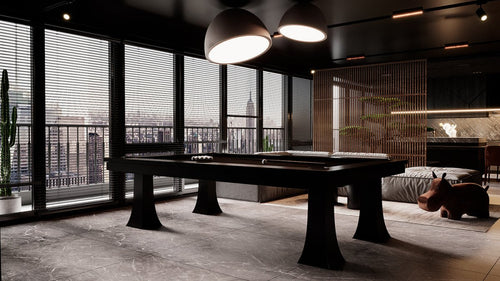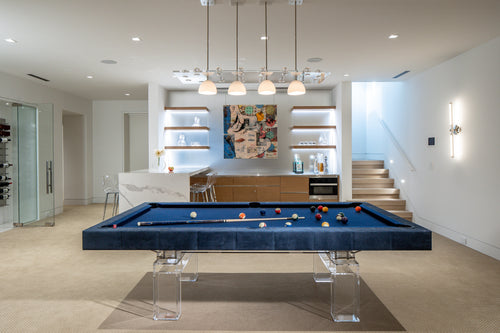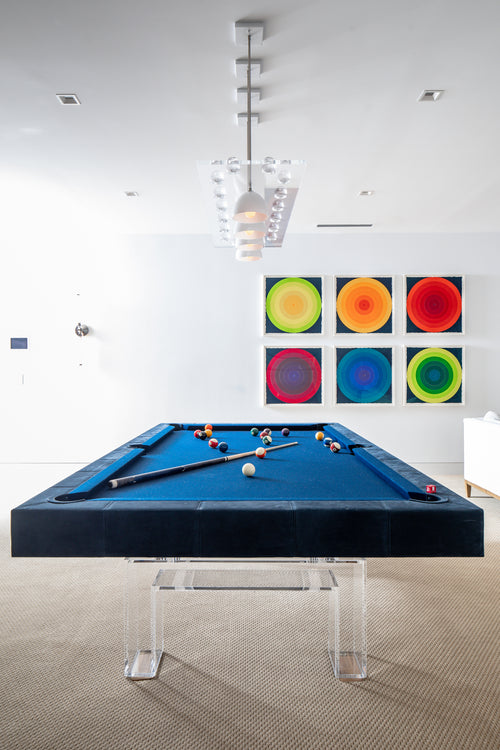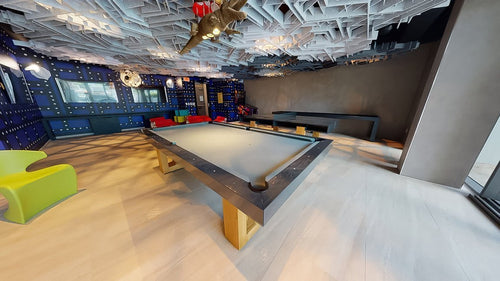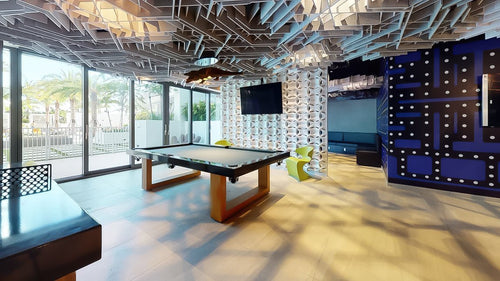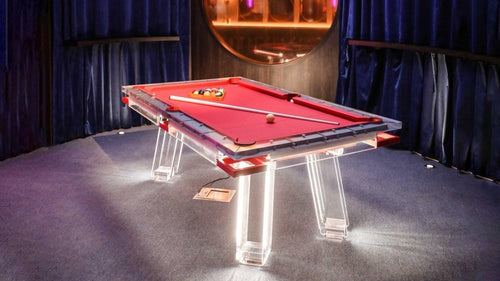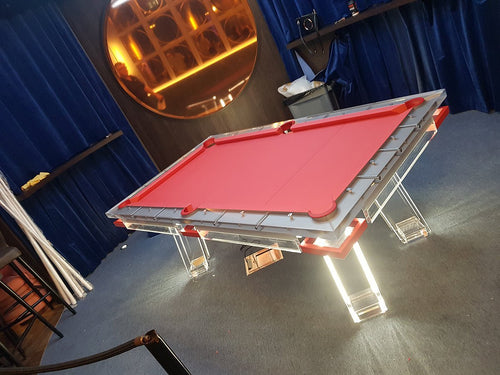


Enjoy our modern designs
Table shuffleboard rewards touch, placement and tactical judgment. This guide covers Knock-Off, the familiar game played by sliding weights by hand along a table. It follows the basics in the 2024 Official Table Shuffleboard Tournament Rules; agree on the target score and any house variations before starting. Deck or court shuffleboard is a different game, explained below.
What You Need to Play Shuffleboard
Before diving into the gameplay, it's important to gather all the necessary equipment. Here’s a checklist of what you’ll need:
Shuffleboard Table
- Size: Home tables come in different sizes. Use a table suitable for your room, with a sound playing surface and readable scoring lines. The applicable competition rules, rather than a universal eight-foot minimum, determine tournament equipment.
- Condition: Remove debris and prepare the surface with the table maker’s recommended shuffleboard powder and care method.
2. Shuffleboard Discs

Colors: Each side uses four weights in its color. The cited tournament rules use red and blue caps.
3. Scoring System

- Options: Use a simple piece of paper and a pen or opt for an Abacus scoring system built into the shuffleboard table for convenience and accuracy.
Setting Up the Game
1. Player Positions
Teams: Shuffleboard can be played one-on-one or in teams.Starting Point: In singles, both opponents shoot from the same end for a frame, then move to the other end. In doubles, one partner from each team stands at each end; the players sharing an end compete against one another.
2. Objective
Goal: Slide your discs down the table to land them in the scoring area without falling off the end.Scoring Areas: The higher-value areas are toward the far end: one, two and three points, with four for a legal hanger extending over that end while staying on the board.
How to Play Shuffleboard
1. Determining the First Player

2. Taking Turns
Sliding the Disc: The first player or team slides their disc towards the scoring area, aiming to land it strategically.Alternating Turns: Opponents alternate one weight at a time until all eight have been shot. Score the frame after the weights stop.
3. Scoring
Counting Points: Only the side with the weight closest to the scoring end scores. Count its weights that are farther down the board than every opposing weight. A weight touching a scoring line takes the lower value; it is not automatically worth zero.Winning a Round: Add the values of the scoring side’s eligible weights. A weight must pass the short foul line nearest the shooting end to stay in play. A legal hanger is worth four; a weight that falls off does not score. The side that scores shoots first next frame; after a scoreless frame, the side that had the hammer shoots first.
Game Duration: Play to the agreed target, often 15 points; 21-point formats also exist. Ordinary weight scoring is settled after the frame; under the cited tournament rules, penalty points take effect immediately and can end a game. Check your event or house rules rather than assuming a fixed number of rounds. See the Shuffleboard Federation FAQ.
Essential Shuffleboard Techniques
1. Proper Sliding Technique
Grip: Hold the disc with your fingertips rather than your palm for better control.Arm Position: Keep your arm straight and level when releasing the disc.
Aim: Choose a landing point that balances scoring distance with the risk of sliding off. Blocking an opponent or removing a threatening weight can be better than always aiming for the center.
2. Strategic Play
Placement: Decide whether to place your disc in a high-scoring area or use it to block your opponent’s discs.Defense: Use your discs to knock your opponent’s discs out of scoring zones or block their path to higher points.
Offense: Aim for precise placement to accumulate points while minimizing opportunities for your opponent.
Tips for Mastering Shuffleboard
1. Practice Consistently
Regular practice helps improve your sliding technique and strategic thinking.2. Observe Experienced Players
Watch and learn from seasoned shuffleboard players to pick up advanced strategies and techniques.3. Maintain Your Equipment
Keep your shuffleboard table clean and well-maintained to ensure optimal gameplay.Regularly check and replace discs if they become worn or damaged.
Common Shuffleboard Variations
1. American Shuffleboard

2. Deck Shuffleboard

Equipment: Players push larger discs with long cues toward a triangular scoring diagram. Its rules and scoring differ from table Knock-Off; see the International Shuffleboard Association introduction.
In Summary
Shuffleboard is a delightful and engaging game that combines skill, strategy, and a bit of luck. Whether you're a beginner or looking to refine your skills, understanding the basics of how to play shuffleboard is essential for enjoying this classic game to its fullest. By following the guidelines outlined in this guide, you can confidently set up your shuffleboard table, master the techniques, and develop strategies that will make your games both fun and competitive.
So, gather your friends and family, set up your shuffleboard table, and start sliding those discs! With practice and passion, you'll soon find yourself excelling at shuffleboard and enjoying countless hours of entertainment