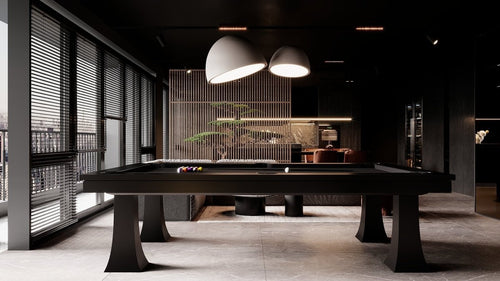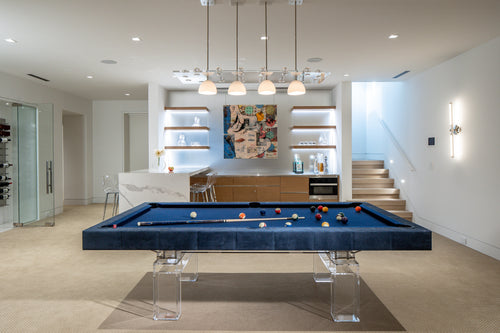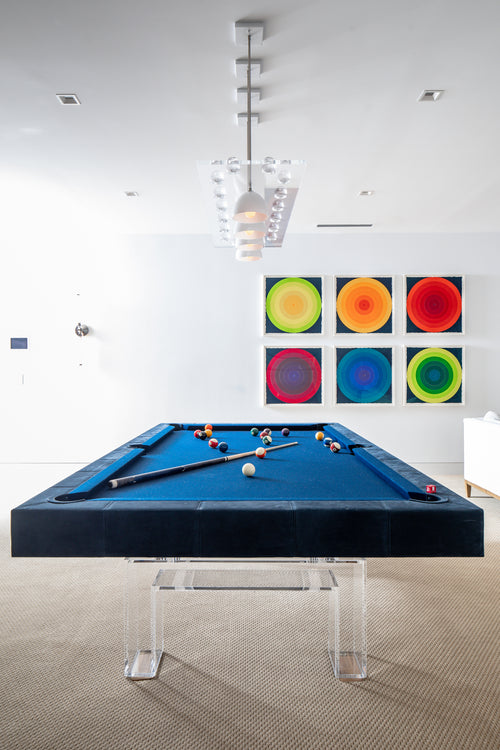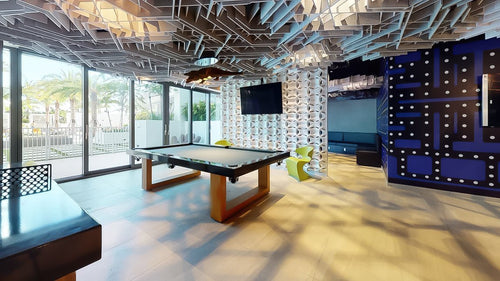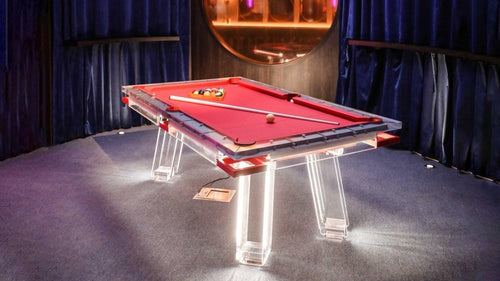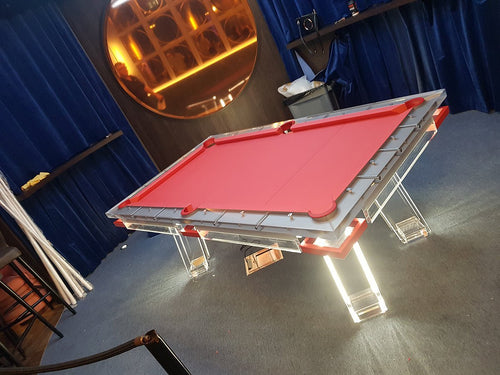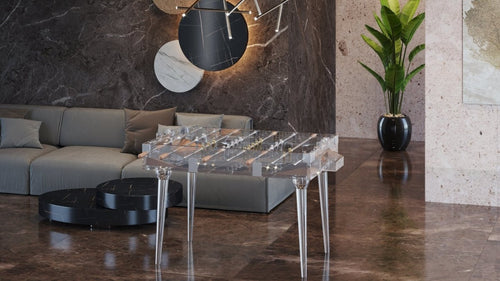


Enjoy our modern designs
Where should you look as you deliver a pool stroke: at the cue ball or the object ball? Both approaches are used. The useful question is how an eye pattern affects your own alignment, tip placement and results on a particular shot.
A Deep Dive: Experimenting with Cue Ball Focus
To compare eye patterns, first establish a repeatable shot and keep the intended tip contact, speed and aim consistent. Check alignment before the final stroke. Change only the final focus so that you can judge the difference without simultaneously changing several parts of the routine.
For a practical trial, record equal sets of attempts with each eye pattern on more than one day. Track pocketing success and cue-ball position separately. A short run of better results can reflect practice, easier layouts or normal variation, so avoid treating one session as proof.
Compare comfortable centre-ball shots before adding long cuts, rail shots and the break. Keep the conditions as similar as possible and discuss persistent alignment or delivery problems with an instructor.
Coaching Guidance and Shot-Specific Choices

Dr. Dave’s eye-pattern guidance describes object-ball focus as a commonly recommended final look, while also discussing circumstances in which cue-ball focus can be useful. This is coaching guidance, not a controlled comparison proving one method superior for everyone.
Before the final stroke, look between the cue ball and target with the cue still to check tip position and alignment. Then settle your eyes rather than switching focus hurriedly during delivery.
Cue-ball focus may help some players monitor an exact strike point on a break, kick or elevated shot. Test it on the shot you are trying to improve instead of assuming it transfers unchanged to every situation.
The Debate: Cue Ball vs. Object Ball Last

The final look is only part of an eye pattern. How you see the line while standing, enter the stance and verify tip placement also matters.
An eye pattern that feels natural is worth testing, but comfort alone is not proof of accuracy. Compare results, retain a stable routine and make changes deliberately.
Takeaways for Your Game
If you’re curious, why not conduct your own experiment? Try practicing looking at the cue ball last during stroke delivery and see if it improves your game. Consider keeping a log of your progress to track any improvements, which could make the experiment more structured and beneficial. Focus on drills involving break shots, off-the-rail shots, and long cuts, and monitor your success rate. Consider incorporating a drill like the 'Spot Shot Challenge' or checking out online tutorials for more ideas to improve these specific skills.
While advanced techniques like this might not be for everyone, they provide new perspectives on cue ball control that could be game-changers for certain players. The most important part is to experiment, find what works for you, and be willing to adapt your game.
Conclusion
Use a repeatable eye pattern that supports both aim and delivery. Keep a practice record and judge the result on the shots you actually play; neither cue-ball-last nor object-ball-last focus promises an automatic improvement.
Sources
References checked October 19, 2026: Dr. Dave: eye-pattern guidance and cue-ball-focus exceptions.