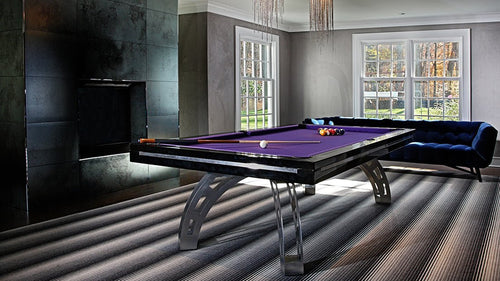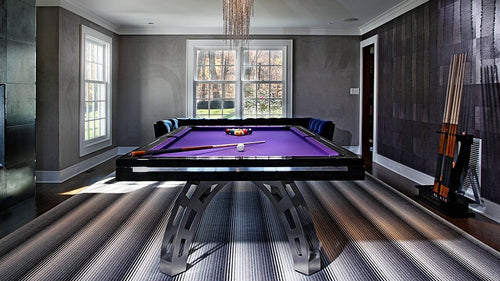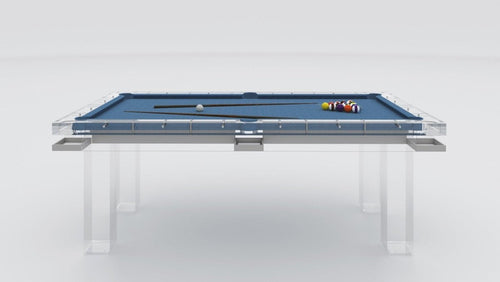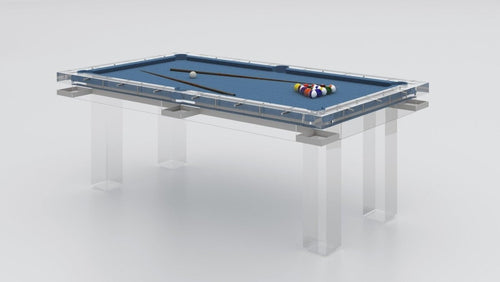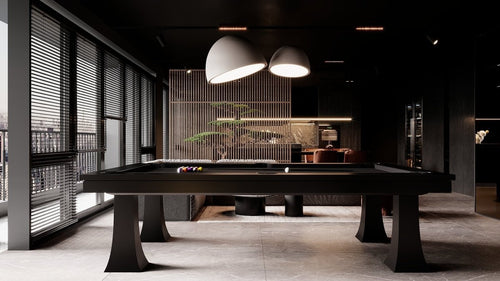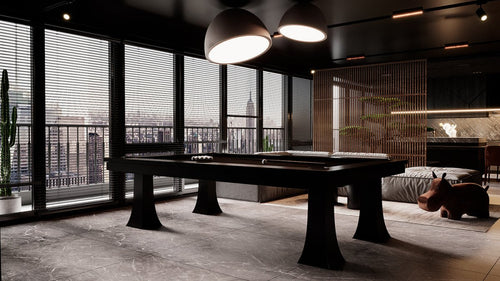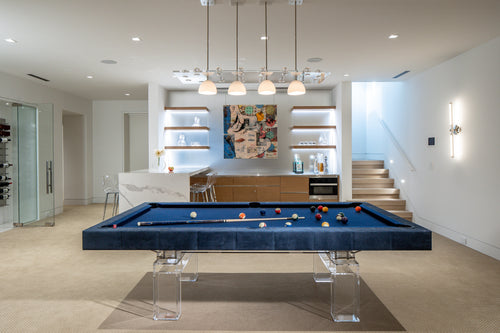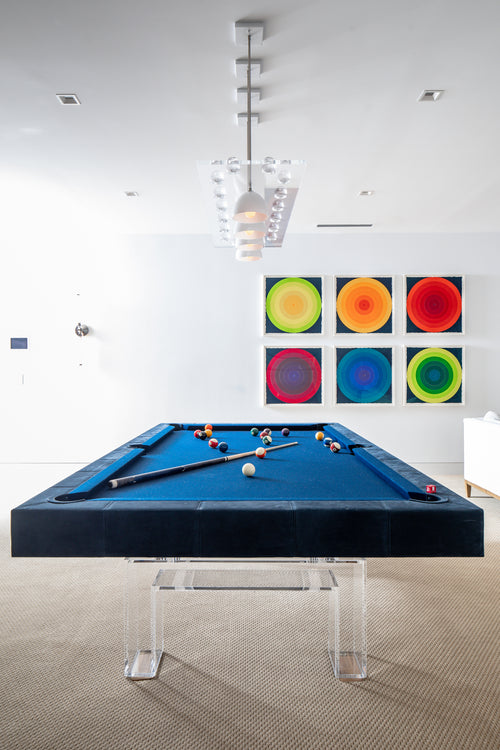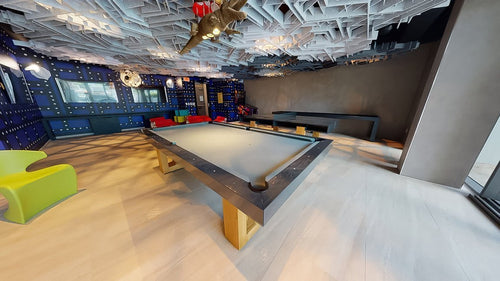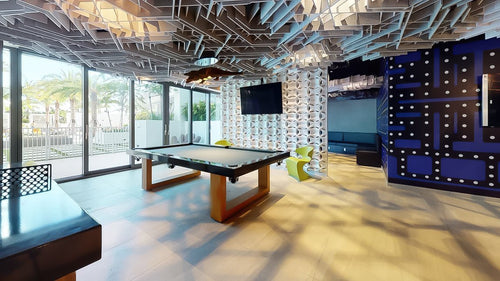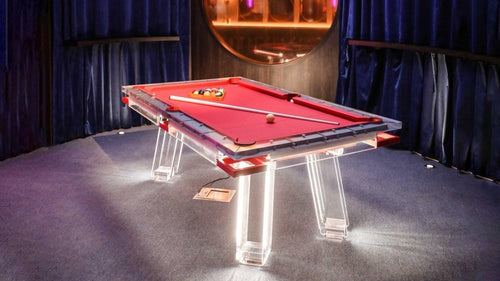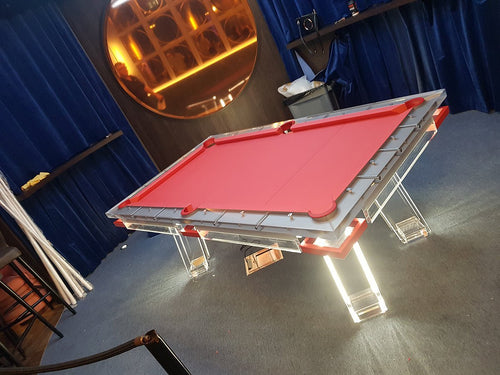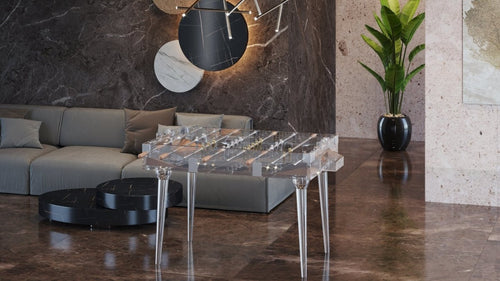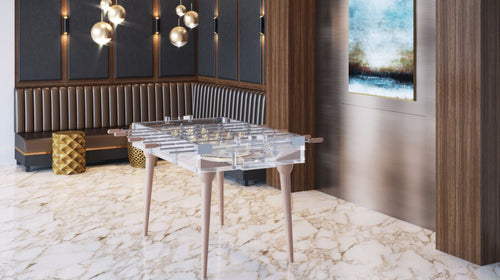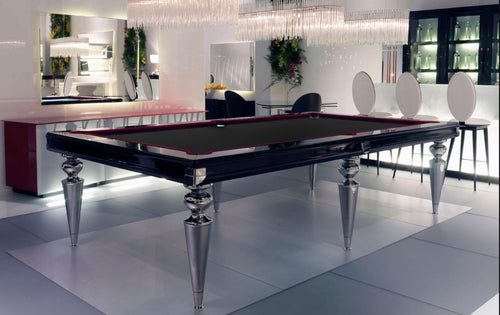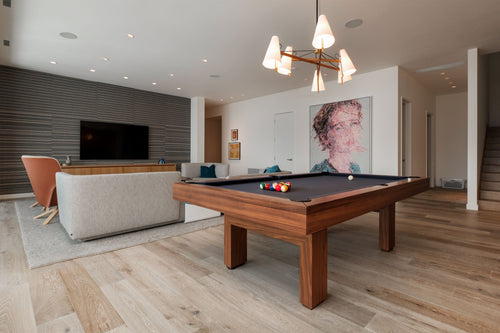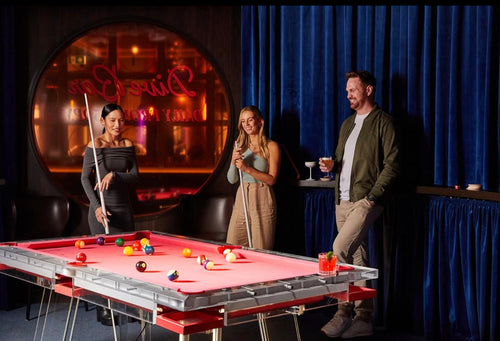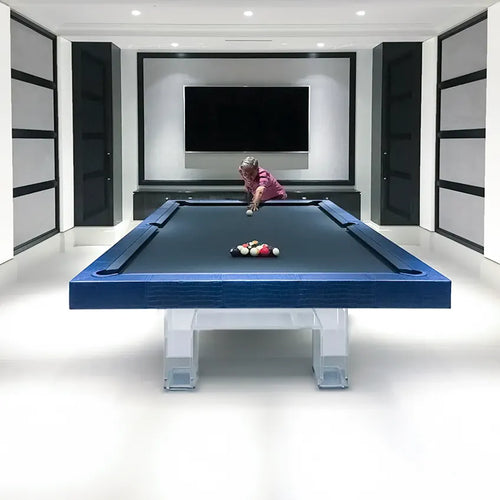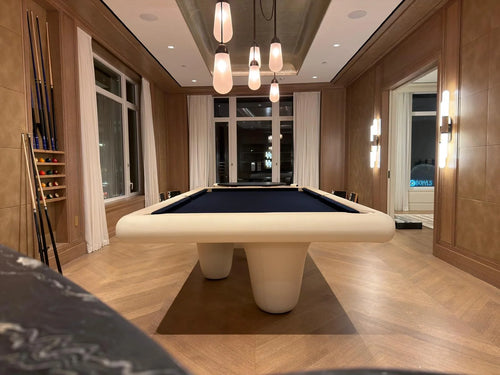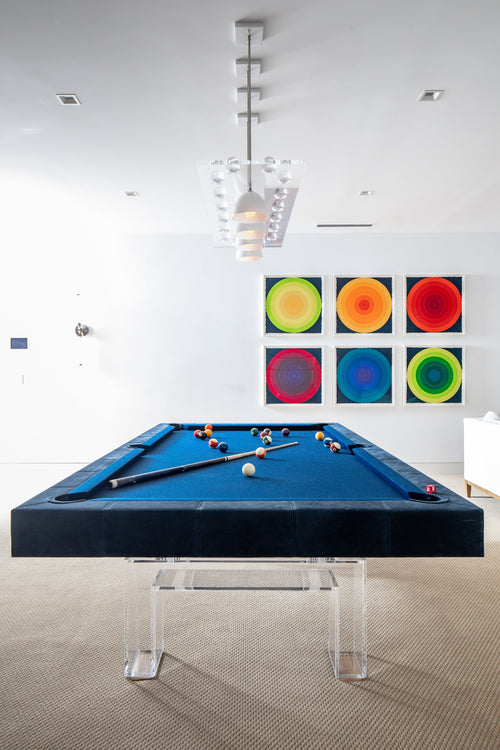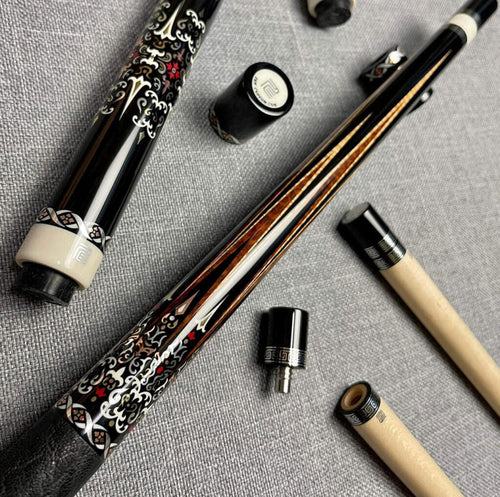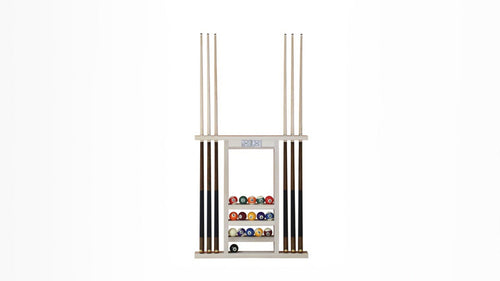


Enjoy our modern designs
Interior Design

Welcome to Eco-Luxe Living, a Pool Table Portfolio series about furniture design and the evidence behind environmental claims. This introduction offers questions to use when comparing products.
Our exploration begins in a world where style and sustainability are not merely coexisting but enhancing each other, lending character and vibrancy to our everyday surroundings. It's the exhilarating world of eco-luxurious furniture.
01
Emergence of Sustainable Furniture

The past decade has seen sustainable furniture emerge as a transformative trend in the field of interior design. Innovative brands are successfully demonstrating that sustainability, quality, and style are not separate entities. Instead, they form the essential pillars of new luxury.
Design, durability and environmental performance are separate attributes to examine. A luxury label does not establish responsible sourcing or working conditions; ask what a particular manufacturer can document.
02
Material Matters

Wood, stone, cork and recycled materials can all have a place in furniture design. Their names alone do not establish a low-impact product: sourcing, processing, service life and disposal also matter.
Compare specific information about the product rather than assuming “natural,” “organic” or “local” means lower overall impact. A verified environmental product declaration can disclose life-cycle impacts; a short transport distance alone does not describe the whole production process.
03
Labor Love

Fair working conditions deserve their own evidence. Ask about supplier standards, worker protections and any applicable independent assessment. Handmade or environmentally marketed furniture does not automatically imply fair wages or a pollution-free workplace.
04
Sustainable Life Cycle

Consider the end of a product’s useful life while choosing it. Ask whether components can be separated, repaired and replaced, and whether there are realistic local routes for reuse or recycling. Accessible fasteners and spare parts can be useful features to compare.
Keeping a suitable piece in service through maintenance, repair or reuse can reduce the need for replacement. Evaluate second-hand and rental options against your needs, transport and refurbishment requirements rather than treating any ownership model as automatically sustainable.
05
Conscious Choices

UL GREENGUARD certification addresses specified chemical-emission limits for products. It does not mean a product is free of every hazardous substance, nor does it establish its entire environmental footprint. Check the exact product certification and its scope.
Compare packaging and furniture materials in context. Reuse, durability and actual recycling facilities matter; replacing plastic with glass, metal or wood does not automatically improve every environmental outcome.
Read each label for what it actually establishes. FSC chain-of-custody documentation concerns eligible forest-based materials. An environmental product declaration reports verified life-cycle information; it does not certify that a product is environmentally superior. Broad “green” claims need specific supporting evidence.
06
In Conclusion
A considered furniture purchase can combine design preferences with documented sourcing, emissions information and a repair plan. Compare like-for-like specifications and keep the supporting documents alongside the care instructions.
Use these questions when discussing a table or other furniture with your supplier: what is the specific claim, what evidence supports it, and does that evidence apply to the product and options being ordered?
07
Sources
References checked October 19, 2026: GREENGUARD chemical-emissions scope; EPD life-cycle disclosure and limits; FSC chain-of-custody scope; Interpreting specific environmental claims.