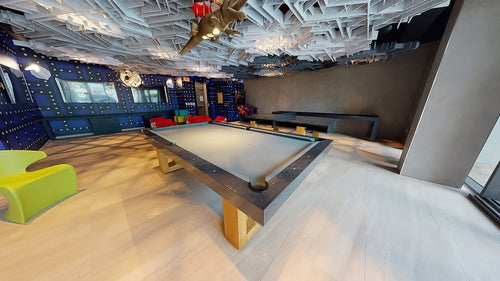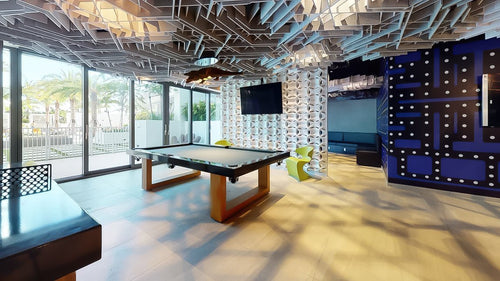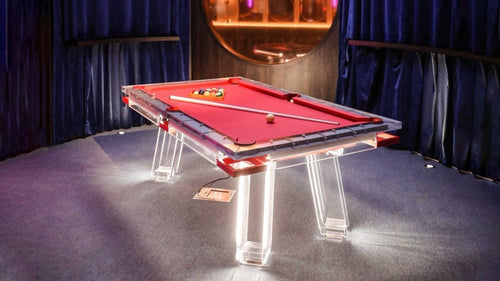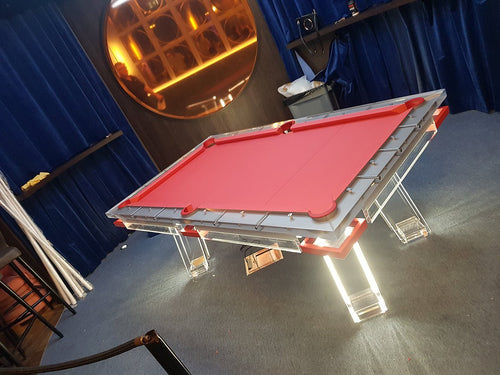


Enjoy our modern designs
Cheap game room furniture does more damage than people think. It does not simply look inexpensive. It makes the room feel less designed, less permanent, and less connected to the rest of the home.
This is especially obvious in luxury properties. A home may have custom millwork, stone flooring, designer lighting, beautiful architecture, and carefully chosen furniture throughout. Then the game room gets a generic pool table, oversized seating, exposed cue rack, basic bar stools, and random accessories.
The result is not relaxed. It is inconsistent. The room suddenly feels like the place where the design budget stopped paying attention.
Table of Contents
- Cheap and Casual Are Not the Same Thing
- The Weakest Room Affects the Whole Home
- The Pool Table Carries the Most Visual Weight
- Bad Materials Look Worse Beside Good Architecture
- Poor Seating Makes the Room Feel Unfinished
- Cheap Accessories Create Visual Noise
- Luxury Buyers Read These Details Quickly
- The Bottom Line
1. Cheap and Casual Are Not the Same Thing
A game room does not need to feel formal. It should be comfortable, social, and easy to use. But casual does not mean careless.
Cheap furniture usually feels careless because it ignores proportion, material quality, finish, comfort, and how the room actually works. It may technically serve the function, but it does not support the property’s standard.
A relaxed luxury game room can still use durable materials, comfortable seating, clean storage, and a pool table that feels like furniture. The room can be easygoing without looking like it was furnished from a generic game-room package.
The mistake is thinking that because the room is for play, the design standard can drop.
Designer insight: The best luxury game rooms feel relaxed because they are well designed, not because the furniture was treated casually.
2. The Weakest Room Affects the Whole Home
In an expensive home, every major room contributes to the overall impression. The game room is not exempt. If it feels weaker than the rest of the property, buyers and guests notice.
This matters because game rooms are often meant to be value-add spaces. They are supposed to make the home feel more complete and more enjoyable. But if the furniture feels cheap, the room can do the opposite. It can make the home feel uneven.
A weak game room suggests that the space was filled rather than designed. It tells people that the entertainment area was treated as secondary.
Luxury buyers may not say, “This cue rack is lowering my perception of the home.” But they feel the room lacks the same confidence as the rest of the property.
3. The Pool Table Carries the Most Visual Weight
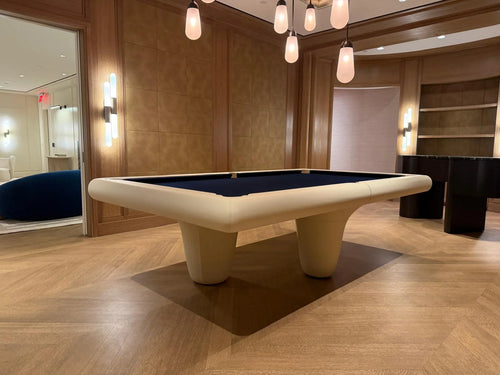
The pool table is usually the largest object in the room. That makes it the most important furniture decision. If the table looks generic, the entire room becomes harder to elevate.
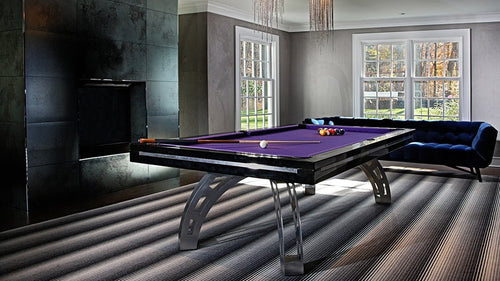
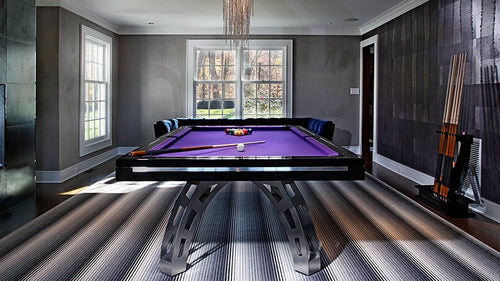
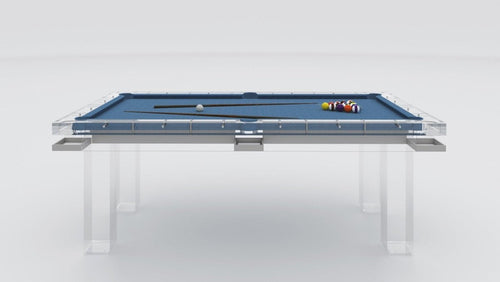
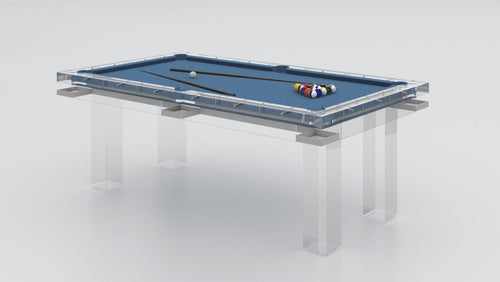
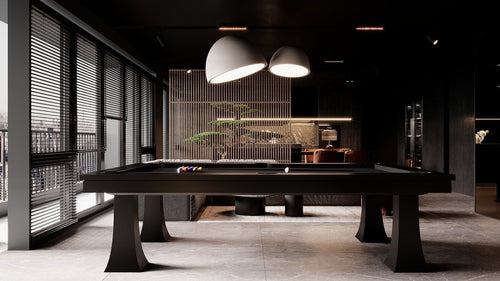
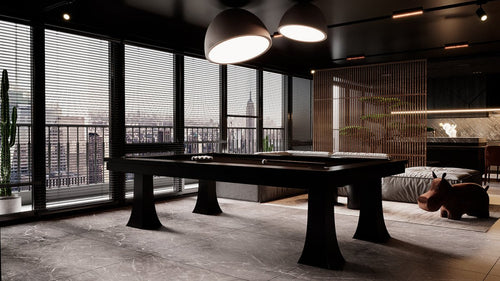
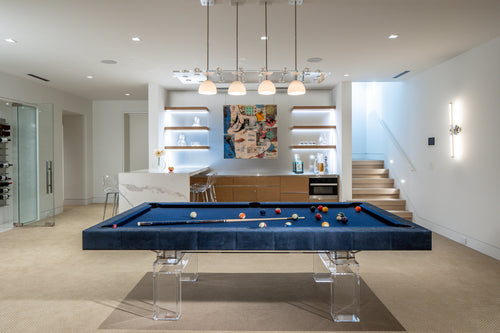
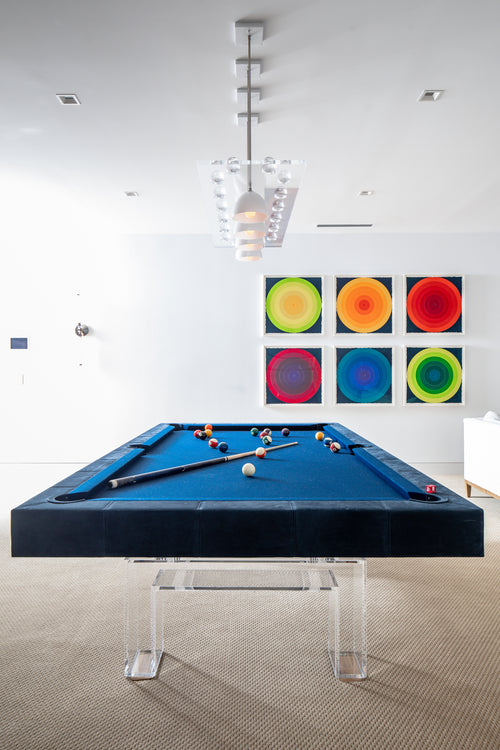
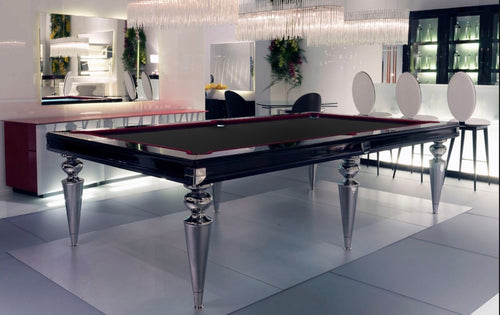
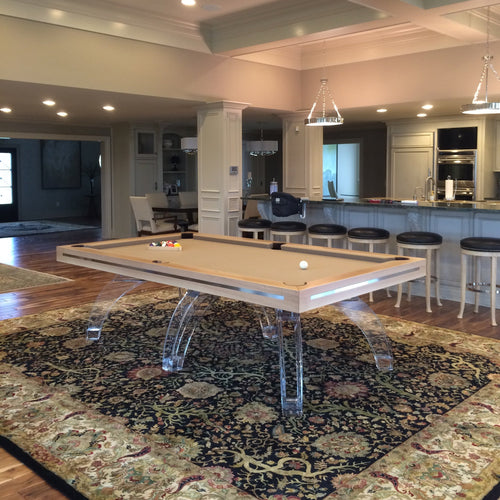
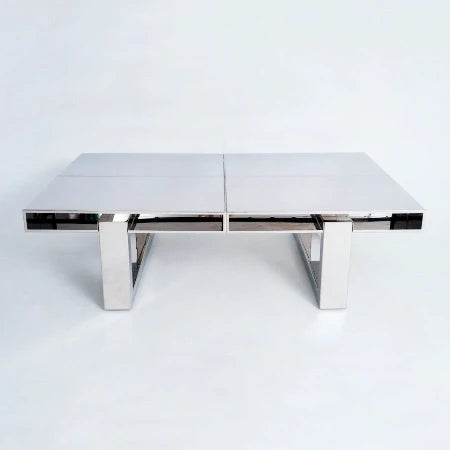
A cheap pool table often looks like equipment. A better table behaves like furniture. It has proportion, finish, weight, and material quality that support the room around it.
This matters even when nobody is playing. Most of the time, the pool table is simply sitting there. Its resting state becomes part of the interior. If the table does not look good at rest, the room will always feel incomplete.
In luxury homes, a pool table should not be chosen only because it fits the budget or the floor plan. It should be chosen because it belongs to the architecture and atmosphere of the room.
4. Bad Materials Look Worse Beside Good Architecture
Cheap materials are easier to spot in expensive rooms. Thin veneers, weak finishes, shiny fake leather, poor stitching, plastic-looking hardware, and basic laminates become more obvious beside natural stone, custom woodwork, designer lighting, and high-quality flooring.
The contrast is what creates the problem. In a modest room, cheap furniture may blend in. In a luxury room, it stands out because everything around it has a higher standard.
This is why the furniture does not need to be flashy. It needs to be credible. The materials should feel appropriate to the home. Wood should have depth. Metal should feel intentional. Upholstery should feel considered. Storage should look integrated rather than added later.
When the materials are wrong, the room loses authority.
5. Poor Seating Makes the Room Feel Unfinished
Seating is often treated as secondary in game rooms, but it shapes how the room actually feels. Bad seating can make the space feel like a waiting area instead of a lounge.
Oversized recliners, generic bar stools, awkward benches, and leftover chairs can make the room look improvised. They may be comfortable enough, but they do not create a strong social environment.
A luxury game room needs seating that supports watching, talking, drinking, and relaxing without crowding the table. The furniture should sit outside the playing envelope but still feel connected to the activity.
If the seating does not work, the room becomes less useful. People may play one game and leave instead of staying, watching, and gathering.
6. Cheap Accessories Create Visual Noise
Accessories can quietly cheapen a game room faster than the main furniture. A basic cue rack, plastic triangle, visible chalk, poor-quality balls, novelty signs, mismatched stools, or random wall decor can weaken the whole space.
These details matter because game rooms already contain more objects than most rooms. If those objects are not controlled, the space starts to feel cluttered and casual in the wrong way.
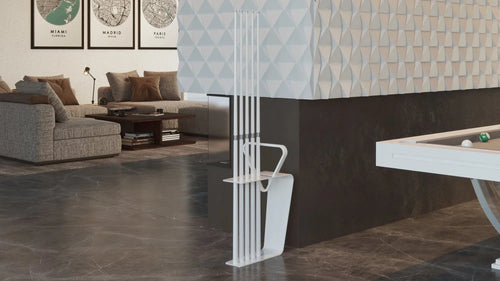
In luxury interiors, accessories should either be hidden or elevated. Cue storage can be built in. Balls can be stored in a lined drawer. Chalk and brushes can have dedicated compartments. Wall storage can match the architecture instead of looking like a retail add-on.
The table may be the centerpiece, but the accessories decide whether the room stays elegant during real use.
Pro tip: A luxury pool table paired with cheap accessory storage is still a compromised room. The supporting pieces need to match the standard.
7. Luxury Buyers Read These Details Quickly
Luxury buyers are used to reading quality through details. They notice whether rooms feel complete. They notice when furniture feels temporary. They notice when an amenity looks like a marketing checkbox instead of a real living space.
A poorly furnished game room can make a property feel less thoughtful. It suggests that the room was added to increase perceived value, but not designed with the same care as the rest of the home.
A well-furnished game room does the opposite. It helps buyers imagine hosting, relaxing, and using the space. It makes the home feel more complete and more memorable.
That is why cheap furniture is not just a style problem. It is a perception problem.
The Bottom Line
Cheap game room furniture hurts expensive homes because it lowers the room’s credibility. It makes a luxury property feel inconsistent, unfinished, and less intentional.
The solution is not to make the game room formal or precious. The solution is to choose furniture, pool tables, storage, lighting, and accessories that respect the same design standard as the rest of the home.
A game room should be fun. It should be relaxed. But in a luxury home, it should never look like the room where quality stopped mattering.