

Enjoy our modern designs
Design & Place
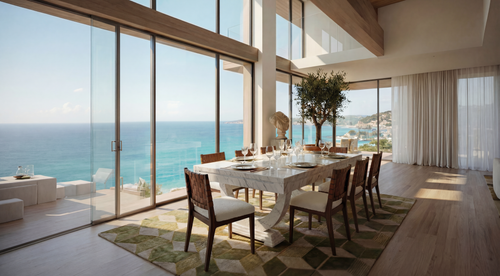
In California’s most view-driven homes, the design challenge is not simply fitting a pool table into the room. It is introducing a serious piece of furniture without interrupting the architecture’s real focal point: the Pacific horizon.
In Malibu and Laguna Beach, the view is the currency. Whether the home sits above Emerald Bay or directly on Carbon Beach, the architecture is built to frame the ocean. That creates a very specific interior-design problem: how do you place a substantial game table in the room without letting it dominate the sightlines, flatten the mood, or fight the light?
The Design Problem
The Coastal Game Room Has One Real
Conflict
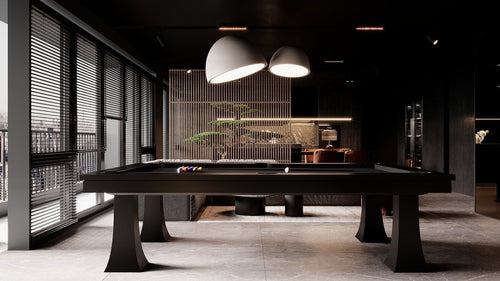
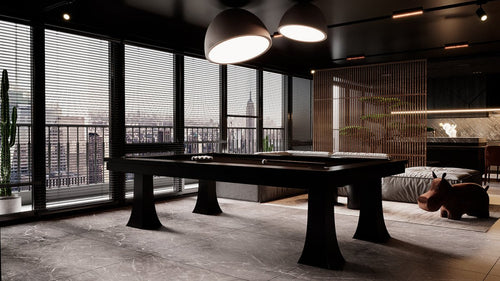
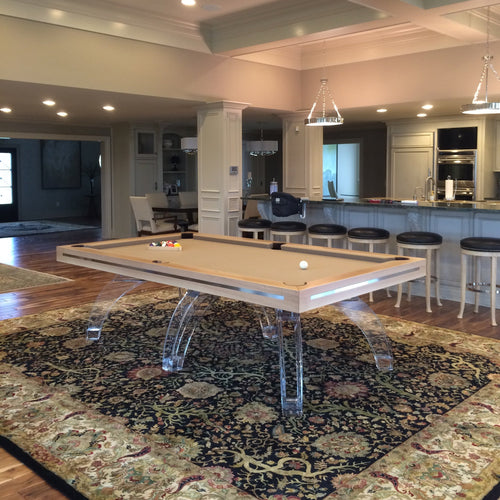
Glass-walled California homes are designed to feel visually open, weightless, and horizon-oriented. Traditional billiard furniture does the opposite. It tends to be dark, glossy, bulky, and visually dense. That makes a standard table feel imported from a different world—one built for a paneled den rather than a cliffside modernist living room.
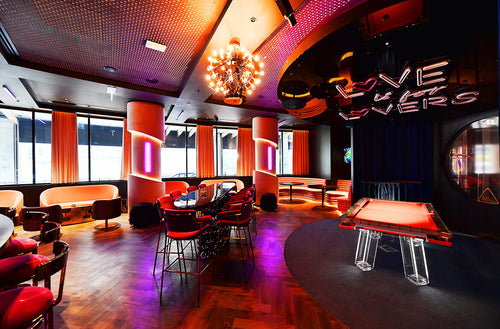
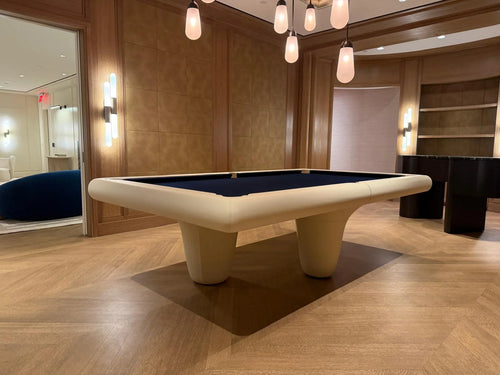
That is exactly where our approach begins. At Pooltableportfolio, we think of these rooms through the lens of low-profile luxury: tables that live inside the architecture quietly, instead of trying to become the loudest object in the space.
In a Malibu or Laguna home, the pool table should never compete with the horizon. It should sit inside the room like a natural extension of the architecture—calm, matte, and visually restrained.— On designing for the view, not against it
Light Control
The Glare Factor: Managing
Light
The biggest challenge in a glass-heavy coastal home is usually not square footage. It is sunlight. Afternoon exposure in a Malibu living room can turn the wrong cloth into a reflective surface that disrupts both the game and the view.
Do not infer glare or quality from nylon content alone. Compare actual cloth samples under the room’s lighting, and plan shading for strong sunlight. Color, surface texture, lighting angle and the surrounding finishes all affect how the table reads in the room.
Material Choice 01
Worsted Cloth Samples
Recommended ClothSimonis 860
Why It WorksCheck the Sample
A worsted cloth such as Simonis 860 can suit the palette, but inspect the actual color sample in daylight and under the installed lights. A premium label is not a guarantee against glare.
Color Strategy 02
Shark Grey, Slate, and Camel
MoodNeutral Coastal
Why It WorksBlends with Stone + Concrete
These tones sit naturally beside limestone, pale oak, plaster, and polished concrete without becoming visually loud.
What to Avoid 03
Check Surface Reflections
RiskReflection
ResultVisual Noise
In a sun-exposed room, cloth sheen can turn the table into a bright interruption instead of a calm part of the composition.
Design Goal 04
Light Absorption Over Shine
PrioritySoft Surface Read
EffectBetter Game + Better Room
A pool table in these homes should visually settle into the room, not flash back at every angle of sun.
Material Language
The Palette: Driftwood, Bleached Oak, and
Matte Texture
Dark mahogany and high-gloss finishes belong to a different typology of room. California coastal interiors work best when the materials feel dry, pale, tactile, and unforced. The room should suggest air, salt, stone, and sun—not clubby heaviness.
That is why the material direction shifts toward bleached white oak, matte sealants, and surfaces that feel softened by light rather than lacquered against it.
Finish 01
Bleached White Oak
Visual EffectPale, Neutral Grain
ReferenceDriftwood
Removing the yellow-orange cast creates a cooler, more architectural timber tone that feels right against ocean light.
Finish 02
Matte Sealants and Oils
Visual EffectDry, Tactile Read
ReferenceRaw Timber Feel
These finishes protect the wood while preserving the quiet, non-reflective texture that coastal interiors need.
Material 03
Linen and Stone Elements
Visual EffectOrganic Texture
ReferenceWabi-Sabi Warmth
Wrapped or veneered details can help the table feel integrated with plaster walls, textural fabrics, and natural stone flooring.
What to Avoid 04
Dark Glossy Traditionalism
Visual EffectHeavy + Reflective
ProblemFights the Architecture
In a beachfront modern interior, the wrong finish can make the table feel imported rather than designed for the space.
Sightline Control
The “Horizon Line”
Profile
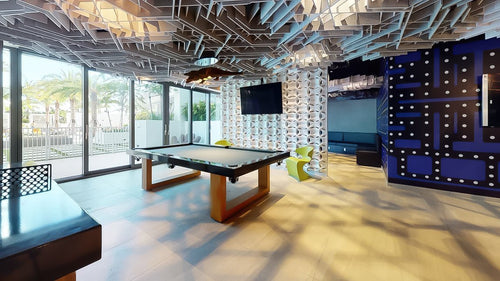
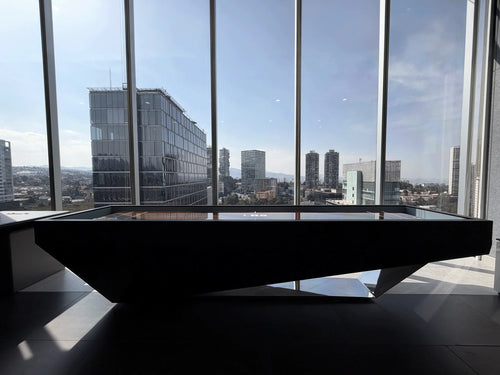
When the room looks out onto 180 degrees of Pacific Ocean, the profile of the table matters as much as the finish. Bulky rails, thick aprons, and visually obvious pockets break the line of sight and add unnecessary mass to the middle ground of the room.
Reduce visual bulk through appropriate detailing, while preserving the table’s designed playing height, cushion geometry, structural support and pocket dimensions. A slimmer-looking apron is a different choice from arbitrarily lowering a playing surface.
Profile Move 01
Thin-Profile Rails
GoalReduce Bulk
EffectCleaner Sightlines
Slimmer top edges make the table feel quieter in the room and less likely to interrupt the ocean view.
Profile Move 02
Hidden Pockets
GoalSimplify the Silhouette
EffectLess Visual Noise
Concealed detailing helps the table recede into the architecture instead of announcing itself as a traditional game piece.
Profile Move 03
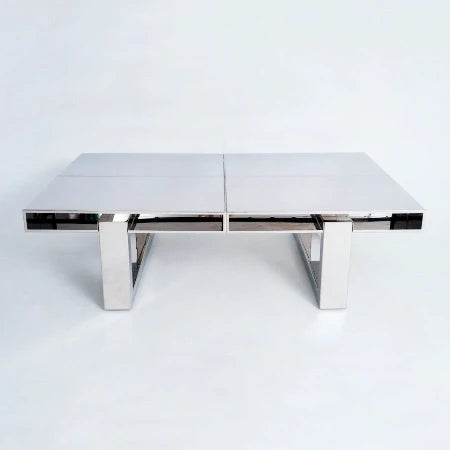
Dining Conversion
GoalDual Use
EffectMore Flexible Coastal Living
In beachfront homes where every square foot matters, a convertible table lets the room remain elegant and functional by day, social and recreational by night.
Design Logic 04
Low-Profile Luxury
GoalArchitectural Integration
EffectView Stays Primary
The table should feel intentional but never aggressive—part of the room’s composition, not a blockade between the interior and the horizon.
// The Bottom Line
A pool table in a Malibu or Laguna home should not scream for attention. It should feel like part of the architecture—a natural continuation of the floor plane that just happens to be a world-class gaming surface. At Pooltableportfolio, we do not just build tables. We help curate the view.