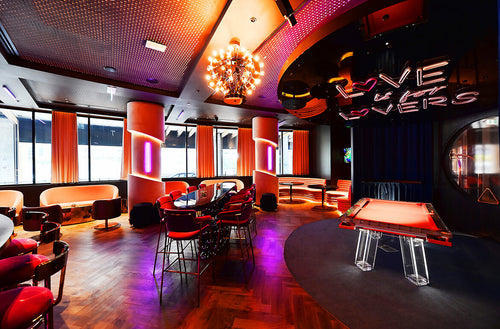


Enjoy our modern designs
Pool and gambling have intersected in betting parlours, commercial halls and some forms of digital entertainment. They are not interchangeable: playing billiards need not involve a wager, and an app’s virtual coins are not automatically cash. This historical overview separates the origin of the name, a documented local restriction and a modern game’s published terms.
Table of Contents
Into The Halls

Billiard historian Mike Shamos, writing for the Billiard Congress of America, links the name “pool” to a collective stake or ante. His account explains that nineteenth-century horse-race betting parlours installed billiard tables to occupy patrons between races. The name became associated with pocket billiards, although the betting reputation belonged to the establishments rather than to every game played on their tables.
Banned

A specific legal example is South Pasadena’s 1908 ordinance restricting halls that kept billiard or pool tables for hire or public use. It included an exception for qualifying hotels serving their regular guests. In Murphy v. California, 225 U.S. 623 (1912), the U.S. Supreme Court upheld the ordinance against the constitutional challenge before it.
The case is more precise than a story of a uniform nationwide ban. The operator offered evidence that his hall allowed no gambling, and the Court distinguished the game from the type of establishment the city regulated. This is a dated local legal history, not a statement of the rules governing a present-day venue or wager.
Resurgence

Pool’s subsequent visibility cannot be reduced to a single sequence of bans and repeals. The BCA’s historical account identifies the films The Hustler (1961) and The Color of Money (1986) as important moments in renewed public interest. Tournament play, recreational rooms and home tables offer forms of participation that do not require gambling.
Onto the Digital

Digital pool extends the game to phones and computers, but a claim that most pool gambling now occurs online would require reliable market data. Miniclip’s 8 Ball Pool, for example, uses virtual items and coins. Its published terms describe virtual coins as neither legal tender nor real-world currency, and restrict selling or transferring virtual items. Buying or winning an in-game item should therefore not be casually described as receiving a cash gambling payout. Real-money wagering services, where offered, are a separate question and must be assessed on their actual terms and applicable law.
Conclusion
Pool’s history includes betting, but also competition, craft and sociability. A horse-race betting parlour, a twentieth-century municipal restriction and a modern virtual-item economy are different subjects. Keeping those distinctions clear gives a more useful account than treating every pool room or app as a casino, or assigning the combined industry an unsupported revenue figure.
Sources
References checked October 19, 2026: BCA / Mike Shamos: poolroom etymology and film revivals; Murphy v. California (1912): South Pasadena ordinance and case limits; Miniclip: virtual items, currency and transfer terms; Miniclip: 8 Ball Pool.