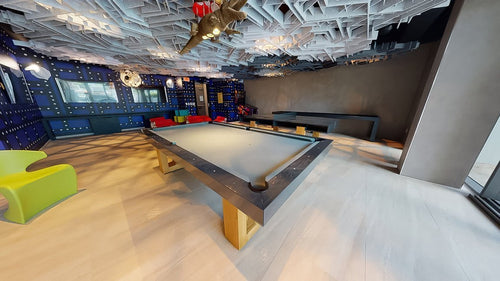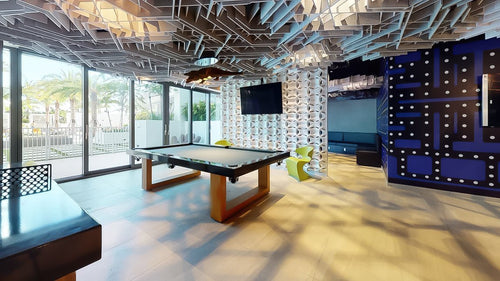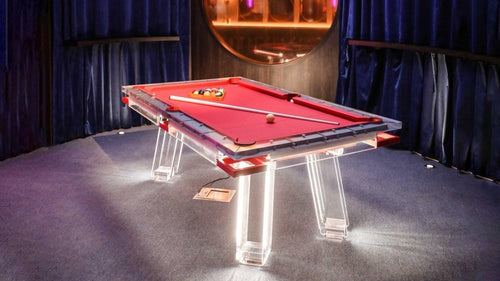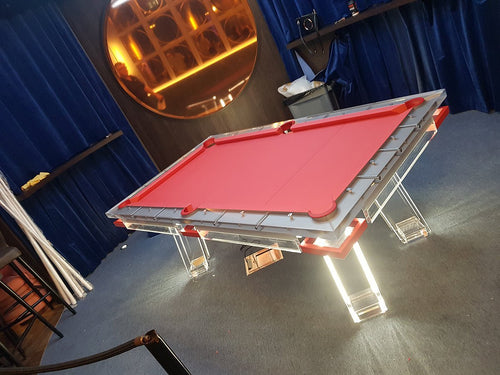


Enjoy our modern designs
The flooring under a luxury pool table matters more than most people expect. A pool table is heavy, precise, and visually dominant. The floor needs to support the table, help it stay level, handle foot traffic, and still look appropriate inside the room. The best choice depends on the home, the table, the room style, and how the space will be used.
In this guide:
1. What the Floor Needs to Do
The floor under a pool table has two jobs: it has to perform, and it has to look right. Performance means stability, level support, durability, and comfort underfoot. Design means the floor should fit the table, room, lighting, furniture, and overall style of the home.
A luxury pool table should never feel like it was dropped onto the wrong surface. The floor should make the table feel anchored and intentional.
Design note: The best flooring choice is not always the most expensive one. It is the one that supports the table and completes the room.
2. Hardwood Flooring
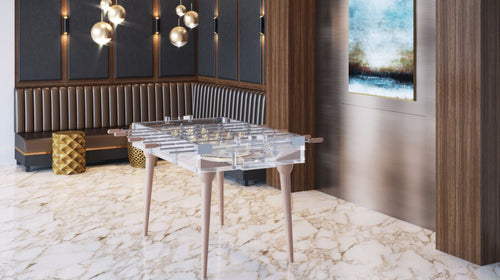
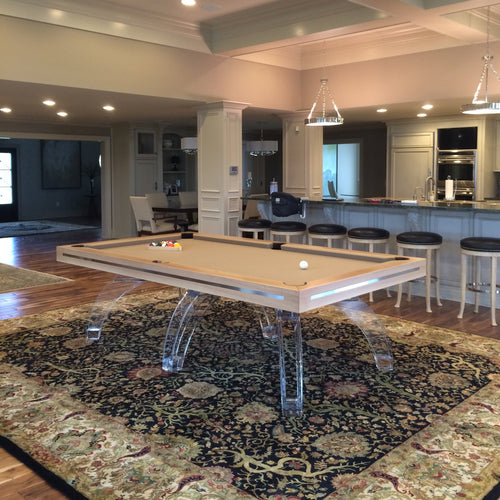
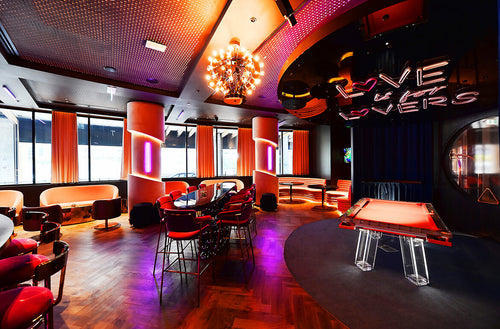
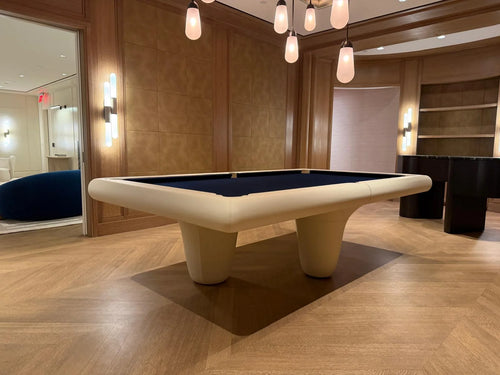
Hardwood is one of the strongest visual choices for a luxury pool table. It adds warmth, texture, and furniture-like character. It works especially well in libraries, lounges, private clubs, modern homes, and traditional game rooms.
The practical concern is protection. A heavy table can mark softer wood over time, especially at the legs. Professional installation, careful leveling, and protective planning can help. The floor should also be stable and properly finished before the table is installed.
- Best for warm, residential, furniture-driven rooms.
- Works well with walnut, oak, leather, and stone table finishes.
- May need protection under table legs.
- Should be stable before installation.
3. Stone, Tile, and Marble
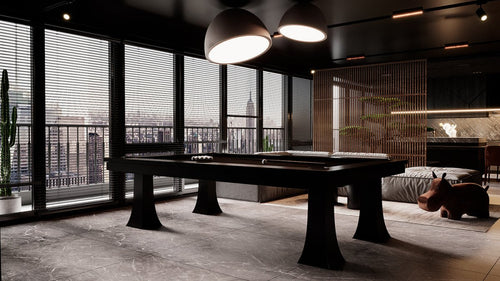
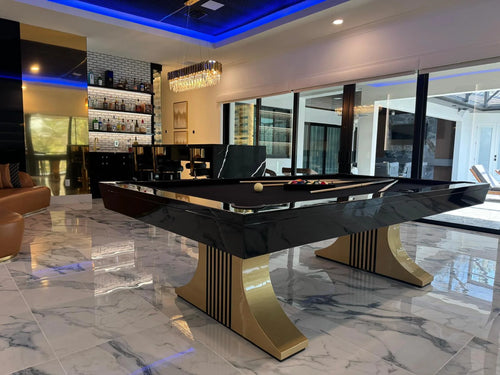
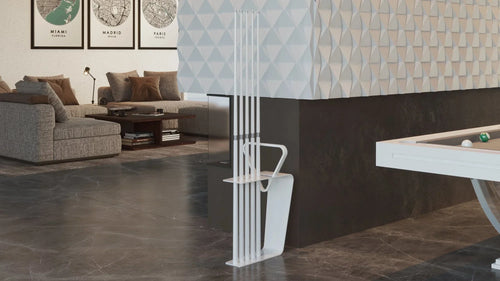
Stone, tile, and marble can make a game room feel architectural and permanent. These finishes work visually with modern villas, pool houses, wine lounges, coastal homes, and large entertainment spaces. Their appearance or hardness does not establish the load capacity of the floor underneath.
The tradeoff is sound and comfort. Hard floors can make ball noise, footsteps, and conversation feel sharper. They can also feel cold underfoot. Rugs, upholstered furniture, curtains, wall treatments, and acoustic planning can soften the room.
- Best for architectural and modern luxury spaces.
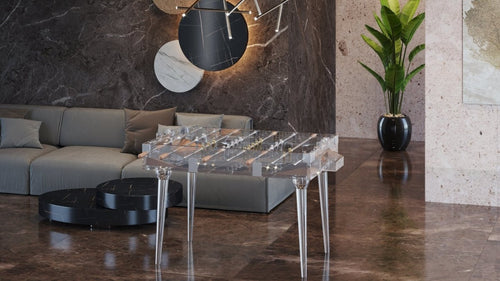
- Very strong visually with stone, metal, acrylic, or minimalist tables.
- Can increase echo without soft materials nearby.
- Requires a flat, well-installed surface for clean leveling.
4. Concrete and Modern Floors
Concrete floors can suit modern homes, industrial interiors, basements, or converted garages. Confirm the condition and capacity of the actual slab or suspended floor for the table before treating it as a suitable base.
The design challenge is warmth. Concrete can feel cold or unfinished if the rest of the room is not layered properly. Use wood, leather, rugs, fabric, strong lighting, or warm wall treatments to prevent the room from feeling bare.
Design note: Concrete is excellent when the room is designed. It looks cheap when it is just leftover floor.
5. Carpet and Soft Flooring
Carpet can reduce sound and make a game room more comfortable, but it is not always the best surface under a heavy pool table. Thick carpet and soft padding can compress, making leveling more difficult. It can also trap dust, chalk, and debris around the table.
Low-profile carpet may work in some rooms, especially if acoustic comfort is a priority. But for high-end installations, many designers prefer a harder, more stable floor with rugs and furniture used to soften the space.
- Better for sound control than precision support.
- Avoid thick padding beneath the table.
- Can make cleanup less elegant.
- Usually less refined than wood, stone, or concrete in luxury rooms.
6. Rugs Under Pool Tables
A rug can be a strong design tool. It can anchor the table, soften sound, protect the floor, and make the room feel more finished. But the rug needs to be low-profile, stable, and large enough to look intentional.
Avoid thick pile rugs, unstable pads, or rugs that stop awkwardly under the table legs. The rug should support the room without creating leveling issues or tripping edges.
- Use low-profile rugs.
- Avoid thick or squishy pads.
- Choose a rug large enough to feel intentional.
- Confirm leveling after installation.
7. The Best Choice for Luxury Rooms
Hardwood, stone, tile, concrete, and engineered flooring can all be attractive choices. Structural suitability is a separate decision. AWC’s framing tables show why span, member properties, and loading matter on a timber floor; the finish alone cannot approve the installation. Rugs and furnishings can then address comfort and sound.
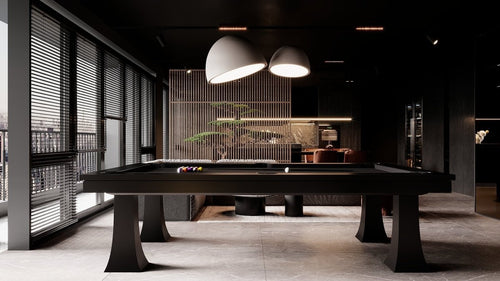
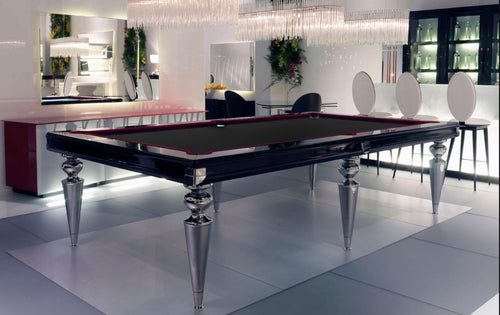
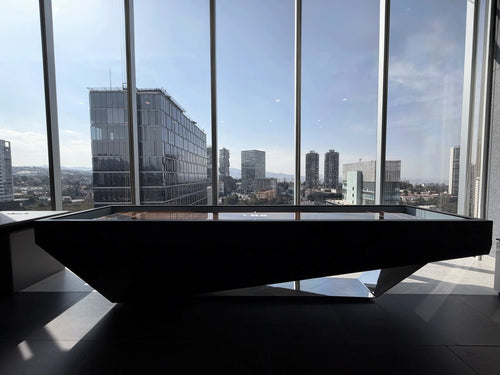
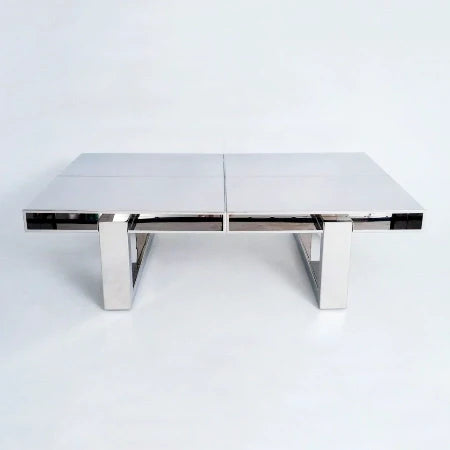
The right flooring should match the table’s material language. A walnut table on warm wood feels classic. A marble or metal table on stone feels architectural. A minimalist table on polished concrete feels modern. The floor and table should feel like one decision.
The Bottom Line
The best flooring under a luxury pool table is stable, level, durable, and visually aligned with the room.
Hardwood, stone, tile, concrete, and quality engineered floors are usually the strongest options. Carpet can work in some cases, but thick soft flooring is less ideal. Use rugs carefully, prioritize stability, and make the floor part of the design instead of an afterthought.