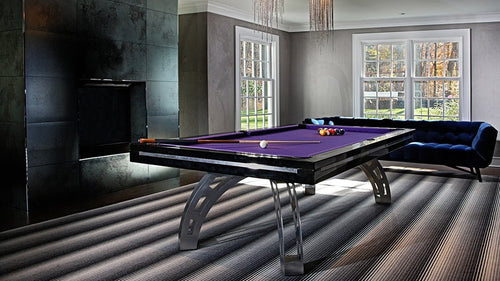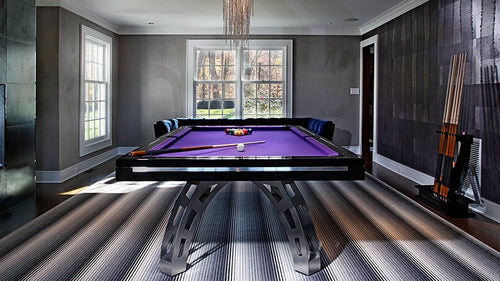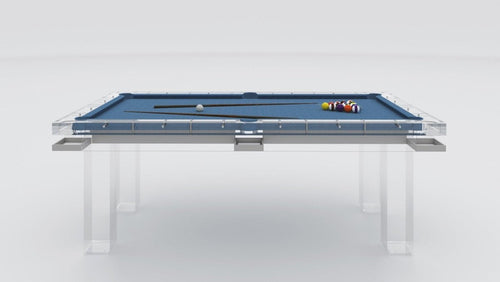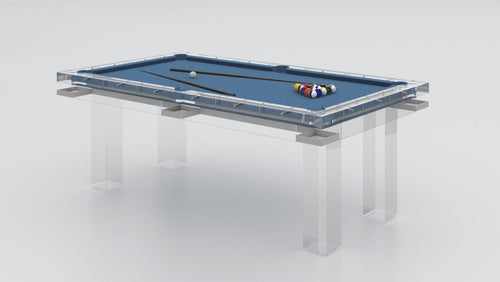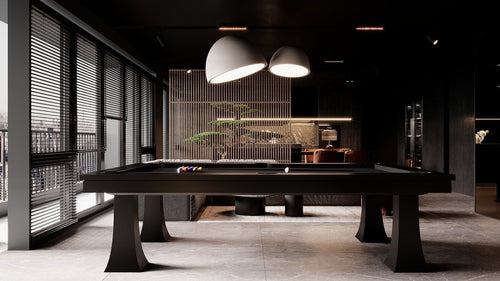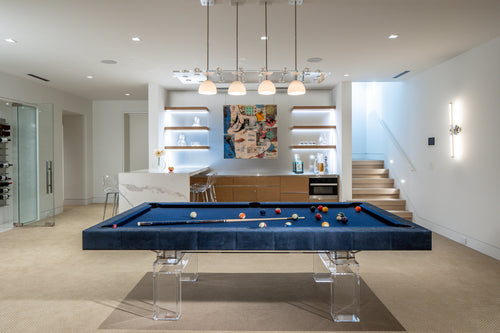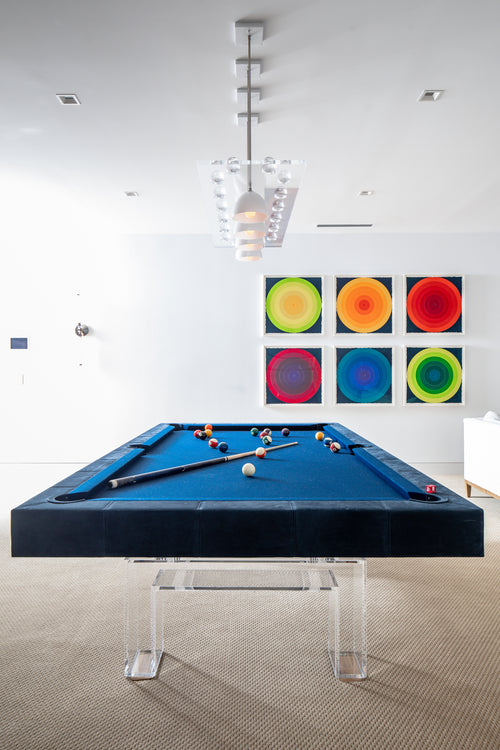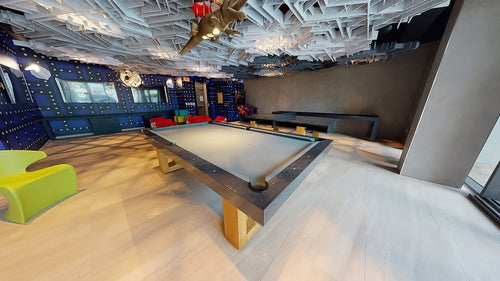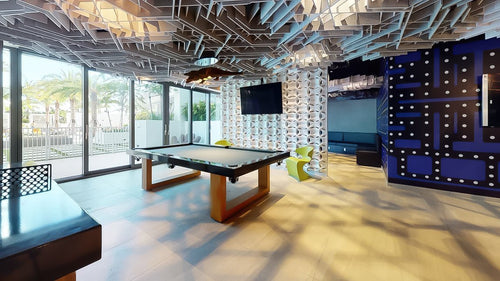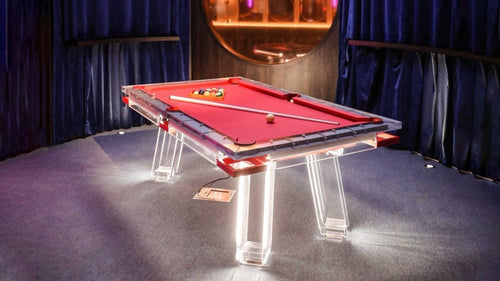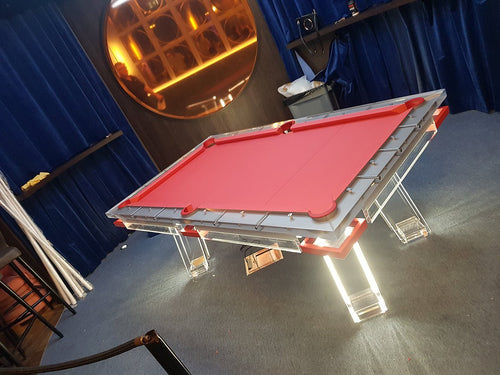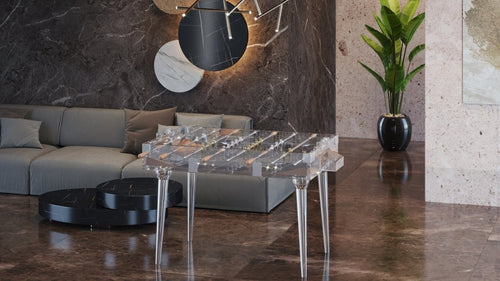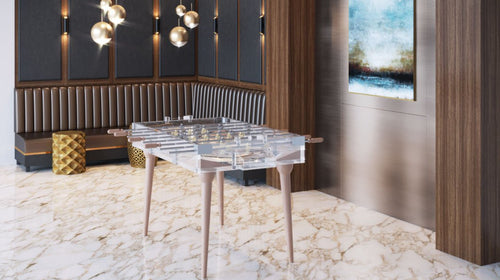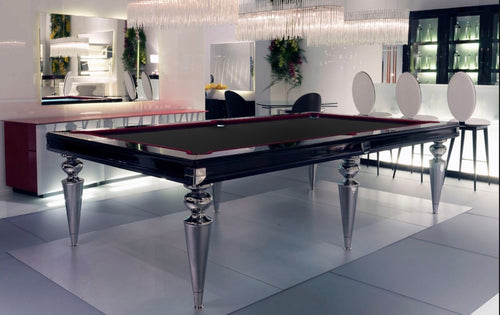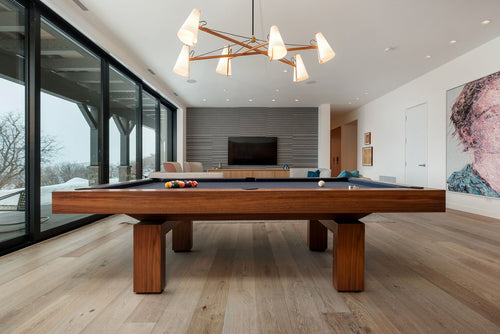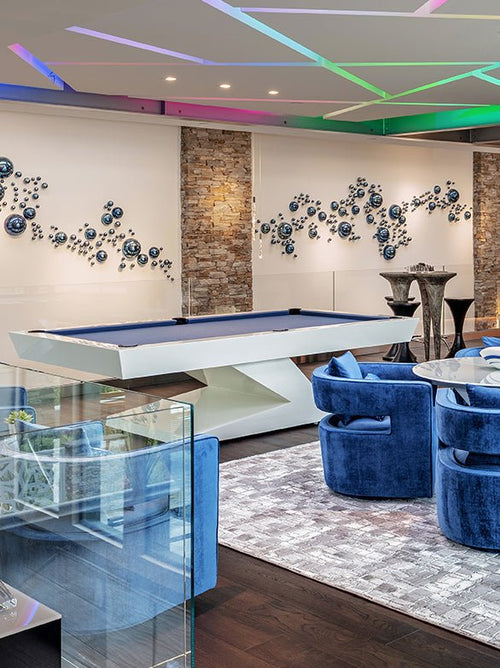


Enjoy our modern designs
The leather cue tip is one of billiards’ quiet revolutions. It looks like a small detail: a simple puck of leather glued to the end of a stick. But that small detail changed the entire language of the game.
Before the leather tip, players relied on wooden maces or bare wooden cue ends. The contact was hard, slippery, and unforgiving. The cue could strike the ball, but it could not grip it. That meant spin was unreliable, miscues were common, and advanced cue-ball control was mostly out of reach.
Once leather entered the game, billiards changed from a blunt-force pastime into a precision art. Draw, follow, sidespin, position play, and massé shots all became more practical, more repeatable, and more teachable.
Table of Contents
The Pre-Tip Era: Wooden Maces and Limits
Early cueing was limited by the tools available. Players used either the mace, a club-like implement, or the raw wooden end of a cue. Both could move the ball, but neither offered much finesse.
The problem was friction. A hard wooden tip had very little bite on the smooth billiard ball. If a player tried to strike away from center to create sidespin, draw, or follow, the cue could easily slide off the ball. That slip is what players still call a miscue.
This mechanical limitation shaped the way the game was played. Shotmaking had to be conservative. Players relied on straight hits, blunt force, and basic angles because fine cue-ball control simply was not dependable.
In other words, early billiards was not limited by imagination. It was limited by contact.
François Mingaud and the Leather Tip Breakthrough
Credit for perfecting the leather cue tip usually goes to Captain François Mingaud of France.
According to billiard history, Mingaud was imprisoned around the early 1800s and had access to a billiard table during his confinement. Rather than simply passing the time, he began experimenting obsessively with technique and equipment.
His breakthrough was simple but transformative: he attached a leather pad to the end of his cue. The leather created grip. Instead of sliding off the ball, the cue could hold contact just long enough to transfer controlled spin.
After his release, Mingaud reportedly astonished audiences by demonstrating shots that seemed impossible. Most famously, he showed backspin that made the cue ball travel forward, strike the object ball, and then recoil backward toward him.
To spectators used to the old wooden cue, this looked almost supernatural. But the secret was not magic. It was friction.
New Shots Made Possible
The leather tip did more than reduce miscues. It expanded the entire vocabulary of billiards.
With reliable friction between the cue and the ball, players could finally manipulate the cue ball with intention. Shots that had once looked like tricks became repeatable skills.
- Draw: Backspin allowed the cue ball to reverse direction after contact.
- Follow: Topspin allowed the cue ball to continue forward after striking the object ball.
- Sidespin: Often called English, sidespin changed how the cue ball reacted off cushions and contact points.
- Massé: By striking steeply downward, players could make the cue ball curve, a shot that depends heavily on the tip gripping rather than slipping.
Mingaud is often linked to the development of the massé because the leather tip made those dramatic vertical-strike curves achievable. What had once been physically unreliable became part of the game’s technical arsenal.
Adoption and Refinement in the 19th Century
By the 1820s and 1830s, leather cue tips were being refined and adopted more broadly across Europe. What started as a simple leather patch evolved into a more standardized piece of equipment.
Players and cue makers began paying closer attention to the shape, hardness, thickness, and attachment of the tip. A good tip had to hold chalk, grip the ball, and keep its form under repeated impact.
This period also overlapped with other major equipment improvements. Better cushions, improved cloth, more consistent balls, and refined chalk all helped raise the technical ceiling of the game.
The important shift was repeatability. Players were no longer just watching rare exhibitions of strange shots. They could practice cue control, teach it, and build strategy around it.
Why the Innovation Matters
Technically, the leather tip transformed billiards from a simple striking game into a precision sport.
Modern pool, snooker, and carom billiards all depend on cue-ball control. Position play, safety play, multi-rail routes, break-building, and advanced pattern play all assume that the player can control not just where the object ball goes, but where the cue ball finishes afterward.
That entire logic depends on spin. And spin depends on a cue tip that can grip the ball.
Culturally, the leather tip helped shift billiards away from pure spectacle and toward disciplined skill. The game became less about occasional trick shots and more about repeatable mastery. It could be studied, practiced, and refined.
The Legacy of the Leather Cue Tip
The leather cue tip is a deceptively small invention with an enormous legacy.
By giving the cue ball a reliable point of contact, it opened the door to the shotmaking and strategy that define cue sports today. Every draw shot, every controlled follow, every rail escape, every touch of English, and every dramatic massé owes something to that simple piece of leather.
That is why the leather tip deserves more credit than it usually gets. It did not merely improve the cue. It changed what the cue could mean.
Every modern cue, whether used for pool, snooker, or carom, carries the legacy of that breakthrough. The game may be played on polished tables with engineered cloth, precision balls, and carefully balanced cues, but one of its most important innovations remains remarkably humble: a small leather pad at the end of the stick.