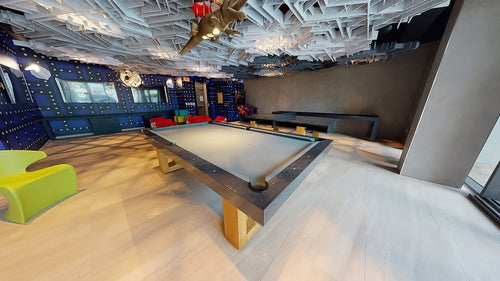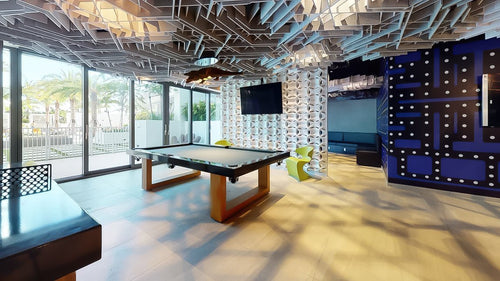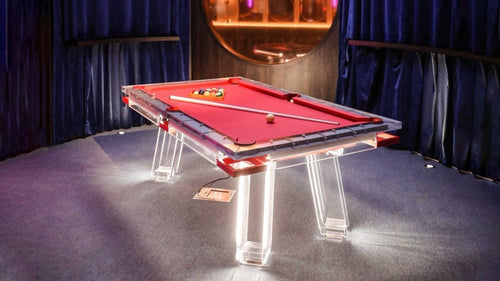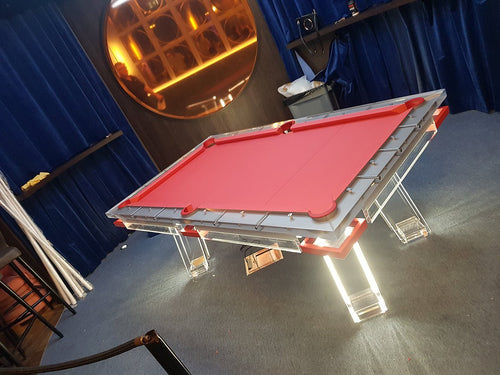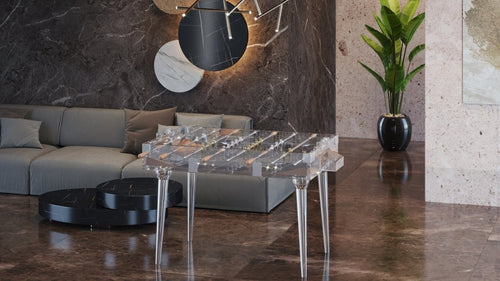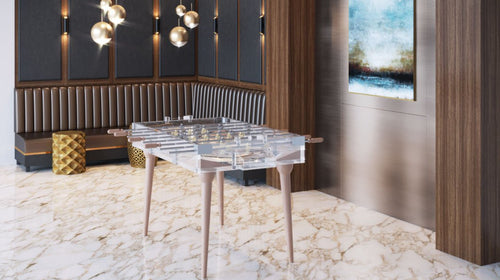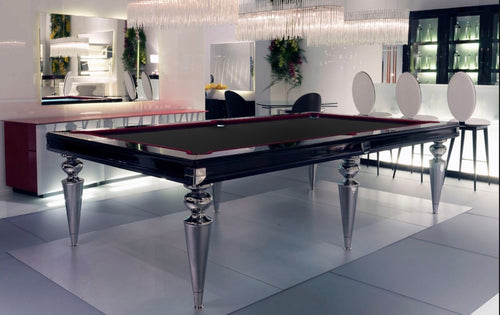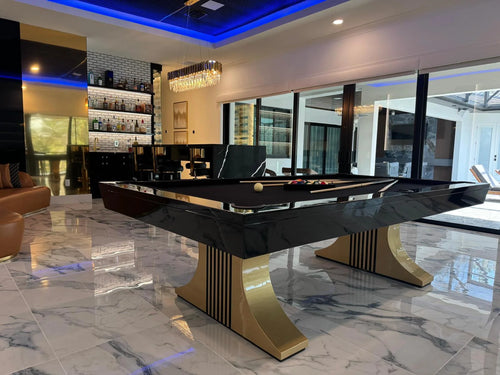


Enjoy our modern designs
The phrase “statement piece” gets used too casually in interior design. It often means something loud, oversized, unusually shaped, heavily finished, or obviously expensive. The assumption is simple: if an object attracts attention, it must be doing its job.
That is not always true.
A real statement piece does not just demand attention. It earns authority inside the room. It gives the space a center of gravity. It makes the surrounding furniture, finishes, lighting, and circulation feel more intentional. The problem is that many so-called statement pieces do the opposite. They interrupt the room instead of strengthening it.
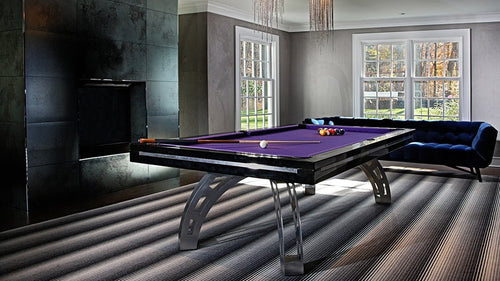
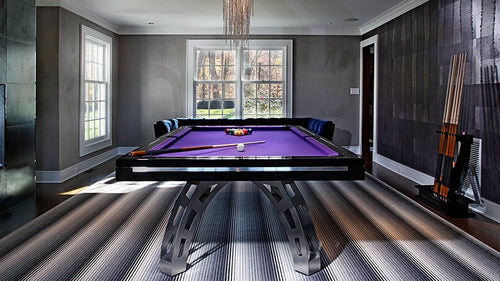
A luxury pool table is one of the clearest examples of this problem because it cannot hide. It is large, horizontal, heavy, and visually dominant. Unlike a chair, lamp, console, or piece of art, a pool table occupies the middle of a room and controls how people move around it. When it works, it feels architectural. When it fails, it feels like a showroom object that landed in the wrong house.
Table of Contents
Attention Is Not the Same as Presence
The first mistake is confusing attention with presence.
An object can grab attention for the wrong reasons. A pool table with too many decorative elements, clashing materials, exaggerated legs, oversized pockets, glossy finishes, and aggressive contrast may get noticed immediately. But being noticed is not the same as belonging.
Presence is quieter. It comes from proportion, scale, material quality, and the way the piece sits within the room. A strong pool table does not need to beg for attention. Its size already gives it importance. The design should refine that importance, not over-explain it.
This is where many luxury interiors go wrong. They treat every expensive object like it needs to announce itself. The result is a room full of competing gestures. The pool table fights the chandelier. The bar fights the wall paneling. The rug fights the artwork. Everything is “special,” so nothing feels controlled.
A good statement piece creates hierarchy. It tells the eye where to begin, then allows the rest of the room to support it.
The Pool Table Is Already a Statement
The irony is that a pool table does not need much help becoming a statement piece. Its scale already makes it one. It sits in open space. It requires clearance on all sides. People gather around it. It has a built-in ritual: play, watch, wait, talk, lean, move, return.
That means the table’s design should be handled with discipline. The more dominant the object, the more carefully it needs to be edited.
A marble dining table can be dramatic because it usually works with chairs, rugs, and pendant lighting in a familiar arrangement. A sculptural sofa can be dramatic because it still sits within a seating plan. A pool table is different. It becomes the plan. Its placement determines walking paths, seating zones, light positioning, wall art, and even the perceived shape of the room.
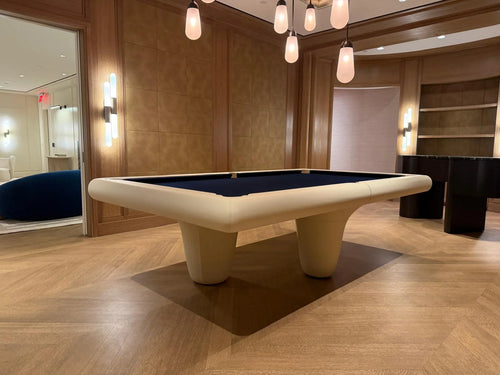
Because of that, the best luxury pool tables often succeed through restraint. A clean silhouette, a beautiful wood grain, a sharp metal detail, a tailored leather pocket, or a subtle felt color can be enough. The table does not need to shout. It needs to hold the room.
Why Loud Design Often Looks Cheaper
Loud design can work, but only when the room has the discipline to support it. In most homes, especially luxury homes, overdesigned pool tables tend to look less expensive, not more.
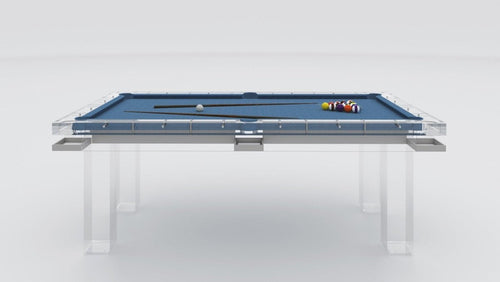
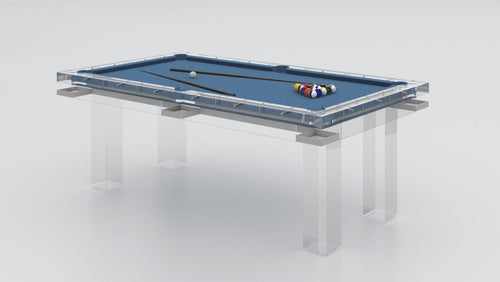
The reason is simple: luxury is usually read through confidence. A confident room does not need every object to prove its value. Expensive materials are strongest when they are allowed to breathe. Walnut looks better when it is not buried under unnecessary trim. Polished metal looks better when used as an accent, not a costume. Acrylic looks better when the geometry is clean. Leather looks better when it feels tailored, not decorative for the sake of decoration.
Overdesigned pieces often reveal anxiety. They seem afraid of being too simple. They pile on details to justify themselves. But the eye reads that quickly. Too many effects can make a table feel less like a permanent part of the home and more like a product trying too hard to impress.
That is the central problem with many statement pieces. They mistake novelty for taste.
A Statement Piece Needs Context
A strong statement piece is not judged alone. It is judged by what it does to the room around it.
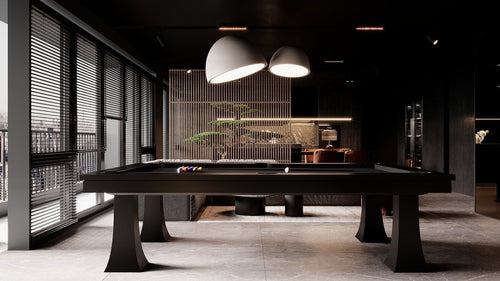
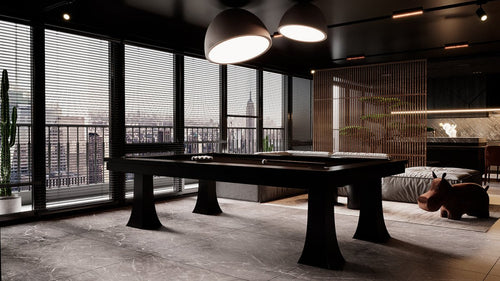
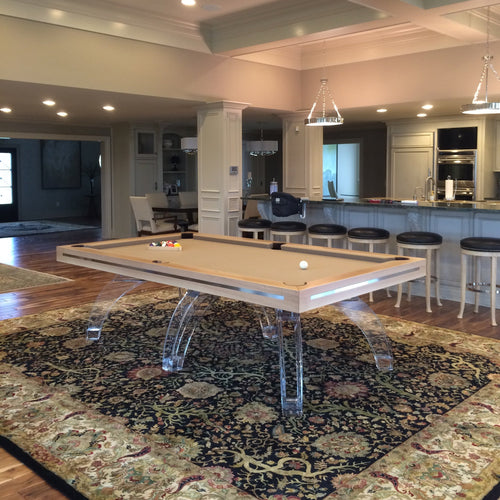
A pool table in a coastal home may call for lighter woods, softer contrast, linen-like textures, pale felt, and a layout that connects easily to the lounge or terrace. In a modern urban interior, the same table might need a sharper profile, darker finish, architectural lighting, and cleaner surrounding furniture. In a traditional home, a table with rich wood, leather pockets, and classic proportions may feel more natural than a hyper-modern form.
The right choice is not always the most dramatic one. It is the one that makes the room feel more complete.
This is why placement matters as much as design. A pool table centered under a properly scaled pendant or linear light can feel deliberate and grounded. A table pushed awkwardly into a corner, floating under poor lighting, or surrounded by undersized furniture will feel wrong no matter how expensive it is.
The room gives the piece its meaning. Without context, a statement piece is just an isolated object.
The Best Statement Pieces Have Restraint
Restraint does not mean boring. It means every decision has a reason.
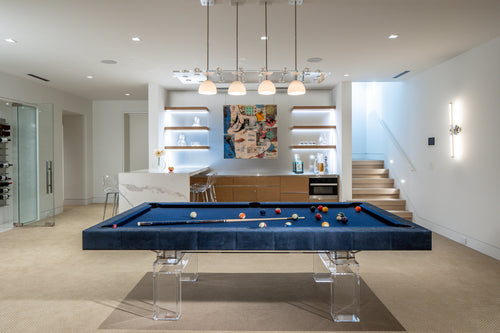
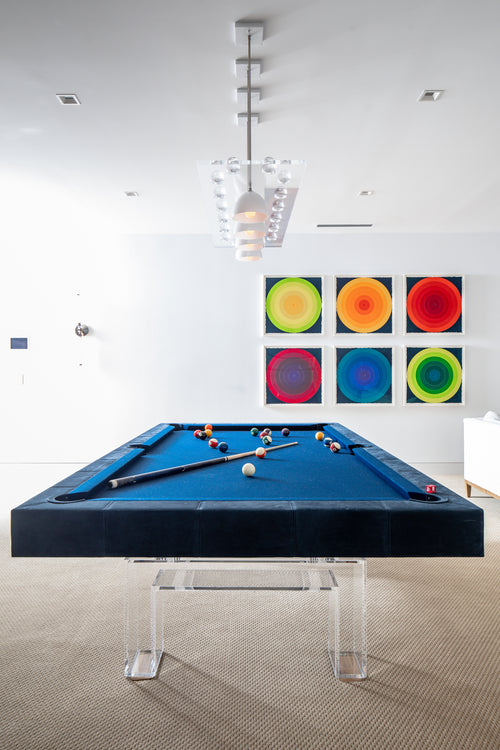
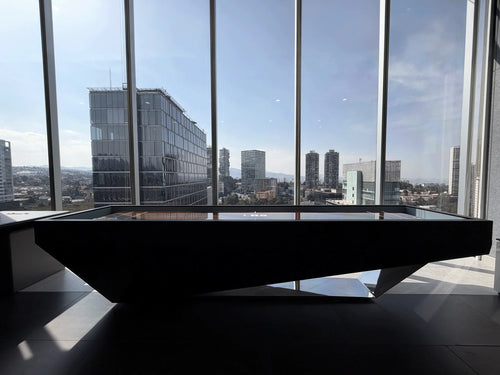
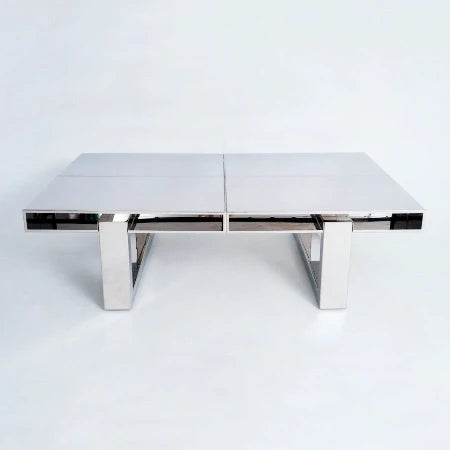
A restrained pool table can still be bold. It can use dark stone, polished metal, acrylic, lacquer, exotic wood, or unusual geometry. But those choices need hierarchy. One major gesture is often enough. A dramatic base with a quiet top. A bold material with simple lines. A vivid felt color in an otherwise controlled palette. A sculptural frame inside a minimal room.
The mistake is stacking too many gestures at once.
A pool table should not need to be sculptural, glossy, colorful, oversized, heavily trimmed, and materially complex all at the same time. That is not luxury. That is noise.
The strongest interiors understand that negative space is part of the design. The empty area around the table matters. The breathing room between the table and the seating matters. The visual pause between the object and the walls matters. A statement piece needs space to have power.
When a Statement Piece Actually Works
A statement piece works when it improves the room even before anyone talks about it. The space feels more balanced. The layout feels more confident. The materials feel connected. The eye knows where to land. The room feels designed, not decorated.
With a luxury pool table, that means the table should feel like it was chosen with the architecture in mind. It should suit the ceiling height, flooring, wall finish, lighting plan, and social purpose of the space. It should be impressive, but not desperate. Distinctive, but not disconnected.
A great pool table does not just sit in a room as an expensive object. It organizes the room. It changes how people gather. It creates a reason for the space to exist.
That is the difference between a true statement piece and a loud one.
The loud one asks to be admired.
The right one makes the entire room better.