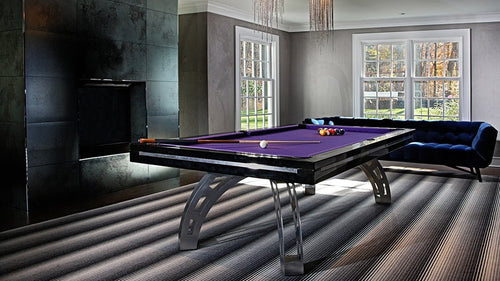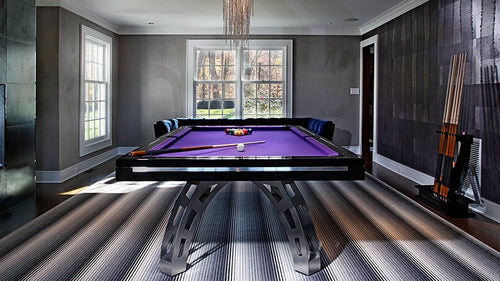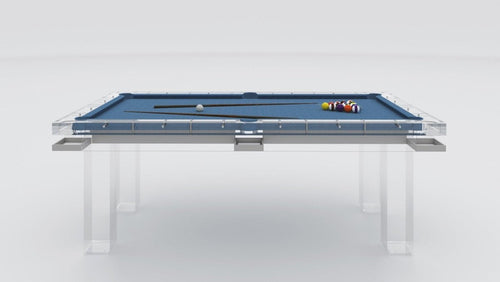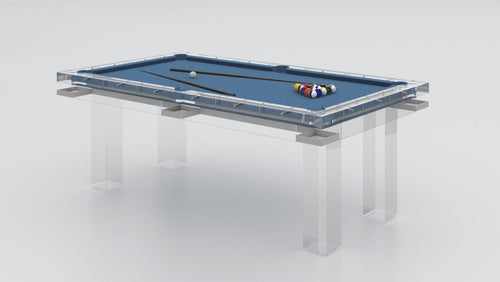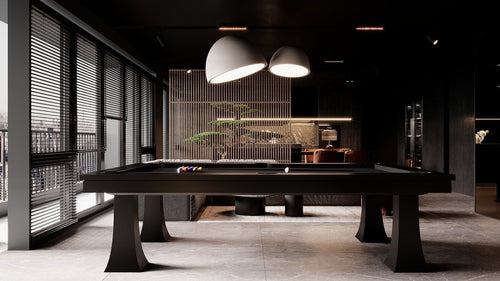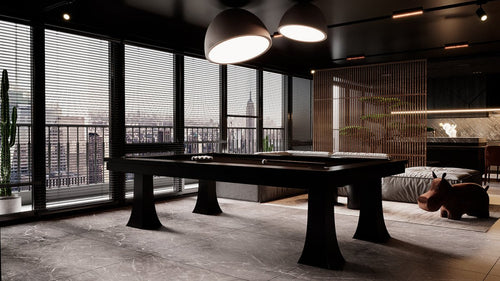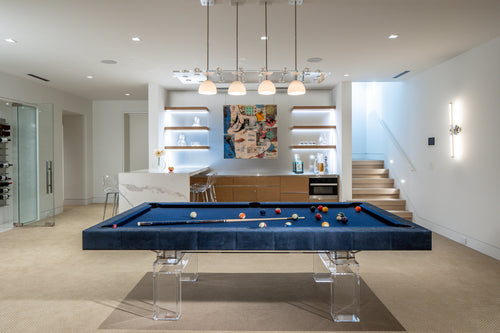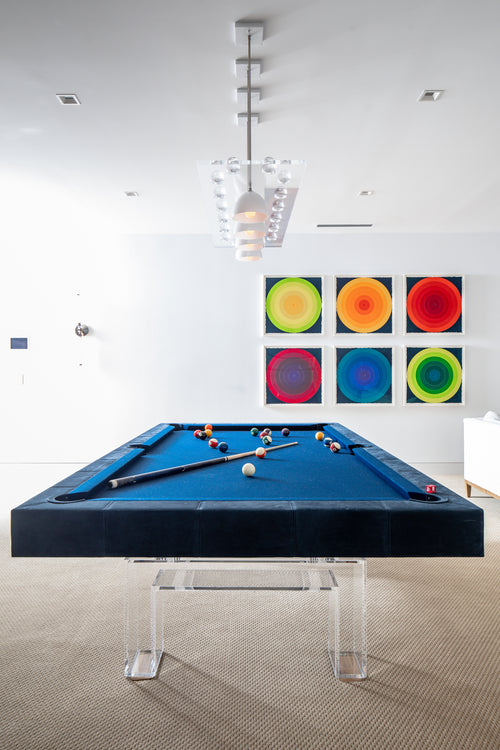


Enjoy our modern designs
A cigar lounge and a pool table can be a strong pairing in a luxury home. Both suggest slow entertainment, conversation, and a room built for adults rather than constant activity. But cigar rooms are demanding environments. Smoke, odor, ventilation, ash, leather, wood, and cleaning routines all affect how the pool table should be specified. The right design feels rich and permanent. The wrong one becomes stale, smoky, and hard to maintain.
In this guide:
1. Why a Pool Table Works in a Cigar Lounge
A cigar lounge is already designed around time. It is not a pass-through room. People sit, talk, drink, and stay. A pool table fits that rhythm because it creates a relaxed activity without changing the pace of the space.
It also gives the room a stronger social structure. Instead of a lounge that only supports seated conversation, the table gives guests a reason to move around, interact, and return to the space repeatedly.
Design note: A cigar lounge pool table should feel slow, substantial, and adult. It should not feel like a sports-bar feature.
2. Ventilation Comes First
Before designing an indoor smoking lounge, distinguish odor management from health protection. CDC guidance states that there is no safe amount of secondhand smoke exposure and that ventilation, fans, and air purifiers do not eliminate it. A smoke-free indoor room is the protective choice.
Where smoking nevertheless occurs, mechanical design and cleaning can address some odor and residue concerns, but a separate room or exhaust system should not be described as protecting other occupants from exposure. Smoke can travel through doors, cracks, and ventilation systems.
- Have a qualified mechanical designer assess any exhaust and make-up air system; do not treat it as eliminating health risks.
- Avoid dead corners where smoke sits over the table.
- Do not assume that a closed door or separate smoking room keeps the rest of the home free of exposure.
- Plan ventilation before choosing delicate finishes.
3. Smoke Odor and Material Absorption
Cigar smoke is not just air. It leaves odor and residue. Soft materials absorb it more readily than hard surfaces. Cloth, upholstery, rugs, curtains, and some wall treatments can hold the smell if the room is not managed well.
This does not mean a pool table cannot belong in a cigar lounge. It means the material choices and maintenance expectations should be realistic. The more often the room is used, the more important ventilation and cleanable surfaces become.
Design note: If the room smells stale when nobody is smoking, the environment is already working against the table.
4. Choosing the Right Cloth Color
Cloth color matters in a cigar lounge because the room is usually darker, warmer, and more atmospheric. Bright tournament colors can look out of place. Muted, deeper tones usually work better.
Charcoal, olive, forest green, navy, burgundy, camel, or warm grey can suit the space depending on the surrounding materials. Very pale cloth may look elegant at first but can be less forgiving in a room with smoke, drinks, ash, and frequent entertaining.
- Use deeper cloth colors for a moodier room.
- Avoid very light cloth if the room will see heavy cigar use.
- Coordinate the cloth with leather, wood, and wall color.
- Keep the table refined rather than flashy.
5. Wood Leather Metal and Stone Choices
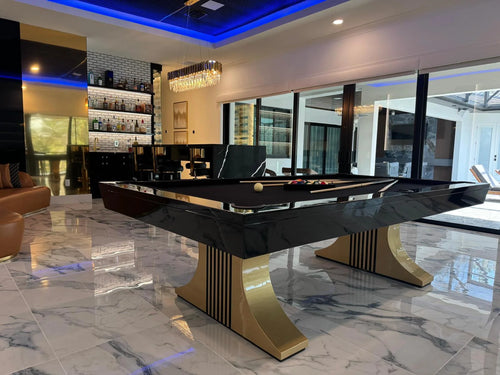
Cigar lounges usually look strongest with materials that feel substantial: walnut, oak, dark-stained wood, leather, bronze, blackened steel, stone, and textured plaster. A pool table should support that richness.
Glossy finishes may show residue more obviously. Highly delicate fabrics may hold odor. Durable leather, satin wood finishes, stone accents, and darker metals tend to feel more natural in the room.
- Walnut and dark oak create a classic lounge feeling.
- Leather details can connect the table to lounge seating.
- Bronze or blackened metal often feels better than bright chrome.
- Stone can add weight if used with restraint.
6. Ash Drinks and Accessory Placement
A cigar lounge needs surfaces. Guests need places for ashtrays, drinks, cutters, lighters, and glasses. Those surfaces should not be the pool table rails. If the table becomes the room’s default counter, it will age badly and look careless.
Plan side tables, drink ledges, ashtray stands, or built-in shelves near seating and spectator zones. Keep them close enough to use, but outside the cue path.
- Never rely on the pool table as a drink surface.
- Place ashtrays near seating, not near the playing surface.
- Keep chalk and cigar accessories separate.
- Use storage that hides clutter when the room is reset.
7. Lighting for a Dark Lounge
Cigar lounges often use low light, but pool requires visibility. The table needs even light across the playing surface while the rest of the room stays warm and moody. A harsh bright fixture can ruin the lounge atmosphere.
Use dimmable, focused table lighting with warmer ambient lighting around the room. Sconces, shelf lighting, bar lighting, and lamps can create depth without making the table hard to use.
Design note: A cigar lounge should not be bright. The playing surface should be clear. Those are not the same thing.
8. Maintenance Expectations
A cigar lounge pool table needs more maintenance discipline than a table in a normal family room. The cloth should be brushed and protected. Accessories should be stored cleanly. The room should be ventilated after use. Surfaces should be wiped regularly to prevent residue buildup.
If the room is used heavily, build maintenance into the design. Include closed storage, a table cover, durable finishes, and easy access to cleaning supplies that do not visually clutter the room.
- Brush the cloth regularly.
- Use a table cover when the room is not in use.
- Clean rails and exposed surfaces consistently.
- Service ventilation so the room continues to perform.
The Bottom Line
A pool table can work extremely well in a cigar lounge, but only when ventilation, materials, lighting, and maintenance are taken seriously.
Use deeper cloth colors, substantial materials, proper drink and ashtray surfaces, and dedicated storage if specifying the room. Ventilation and maintenance choices cannot make indoor smoke exposure safe; a smoke-free lounge avoids that exposure while retaining the same design atmosphere.