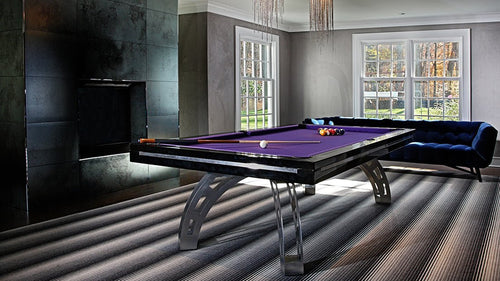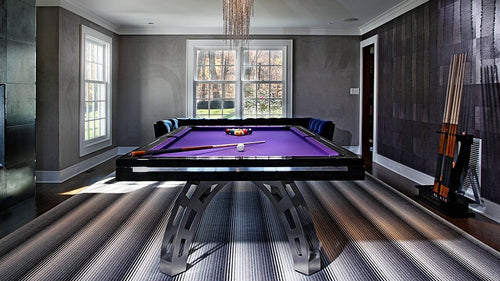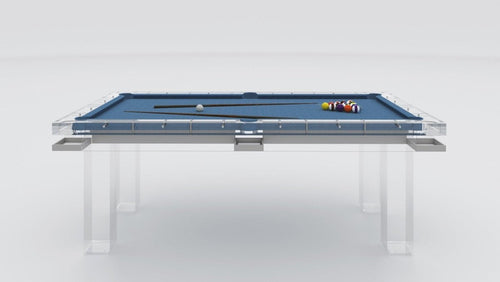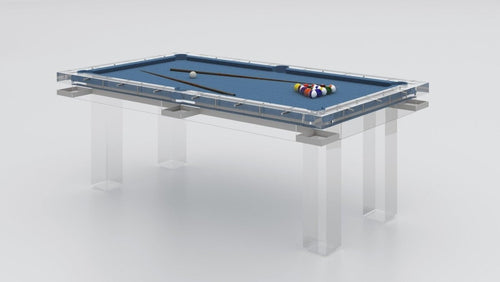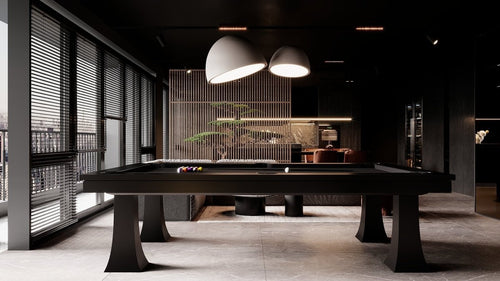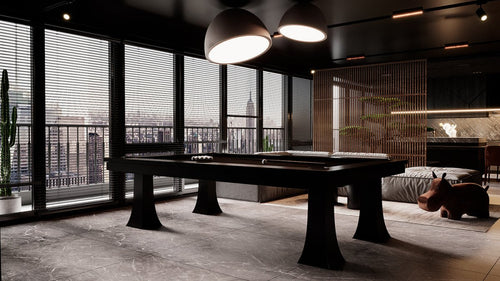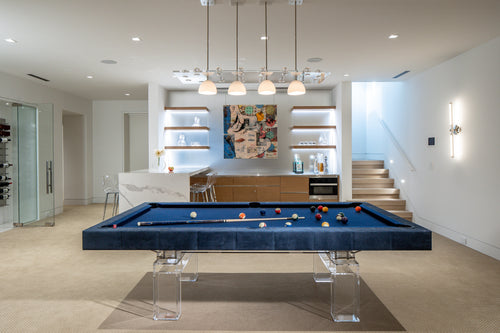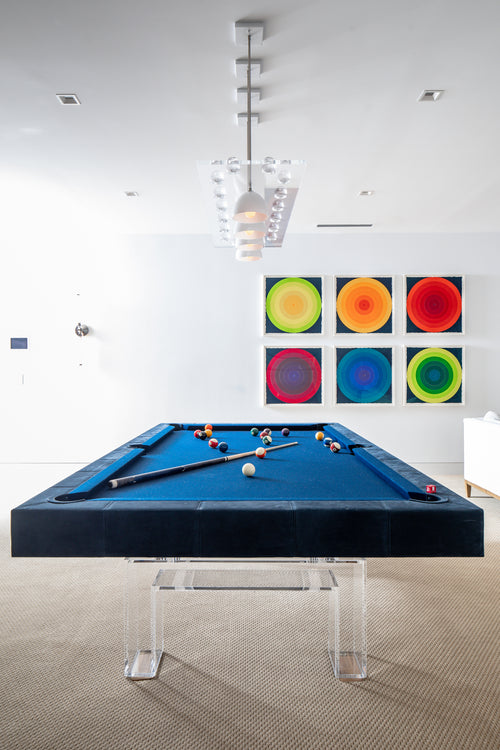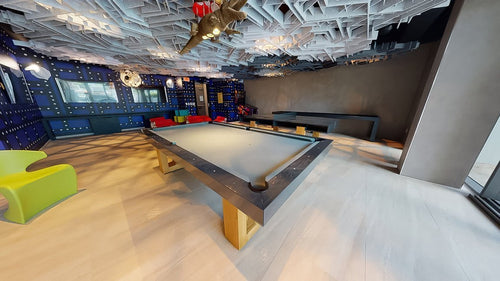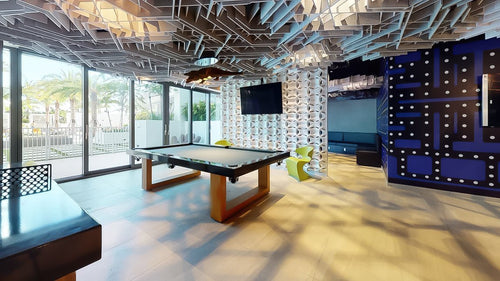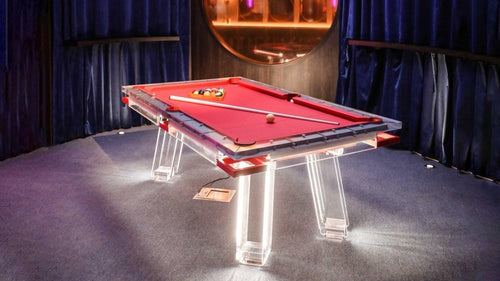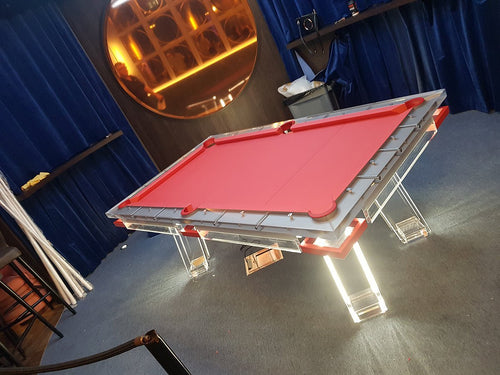


Enjoy our modern designs
Estimated Read Time: 2 mins |
Introduction
Fifteen Ball scores object balls by their printed numbers, making shot selection part of the arithmetic. Rules have varied. This guide uses the 1908 Brunswick rules reproduced in Foster’s Complete Hoyle: after the break, call the ball you intend to pocket. Confirm the call requirement before playing a different local version.
Equipment & Setup
- Standard pool table
- Full rack of object balls numbered 1–15, plus cue ball
- Rack a tight triangle with the 15 at the apex on the foot spot; the cited edition puts higher numbers toward the front and lower numbers at the base.
How to Play
Break from behind the head string. The cited rules require at least two object balls to reach a cushion or one to be pocketed. After the break, call the ball’s number; the pocket need not be named. If you make the called ball legally, other balls pocketed on that stroke also count. Continue while scoring legally; a non-scoring stroke ends your turn. Contact an object ball and then pocket a ball or send an object ball or the cue ball to a cushion.
Scoring & Objective
- Each ball’s value equals its number (e.g., 7-ball = 7 points).
- Keep a running total, including deductions. The balls sum to 120, so 61 is more than half the available points; penalties can affect the winning calculation. Agree the ending rule before play.
Fouls & Penalties
- If the called ball is not pocketed, balls made on that stroke are spotted and the turn ends; that failure alone carries no point deduction in the cited edition.
- A cue-ball scratch or cue ball driven off the table costs three points; object balls pocketed on that stroke do not score and are spotted.
- The cited rules also deduct three for a complete miss, an insufficient break, failure to meet the cushion requirement and specified other fouls. This is not a rule that every unsuccessful pot costs three. Check the complete edition for successive forfeitures and unusual situations.
Why Play Fifteen Ball?
- Clear scoring: Add the numbered values and announce the intended ball after the break.
- Skill-building: Teaches position play and shot choice as you chase high-value balls.
- Flexible sessions: Agree the match length and ending condition before the first rack.
- Bridge to advanced games: Serves as a stepping-stone toward Rotation or Straight Pool.
Conclusion
Fifteen Ball balances simplicity with strategic depth. Its point-based scoring encourages deliberate planning and cue-ball control, making it ideal for players rising from casual play to more competitive formats. Rack up, chase those numbers, and watch your skills—and scores—grow.
Sources and rule scope
Checked October 19, 2026: Foster: Fifteen-Ball laws copied from Brunswick’s 1908 edition. Use the named edition or event rules consistently.