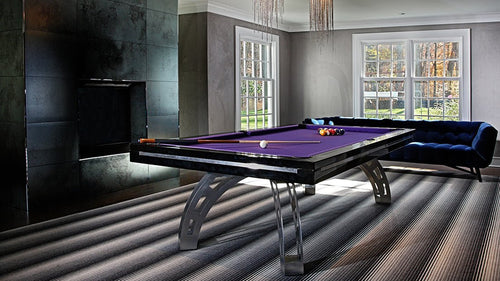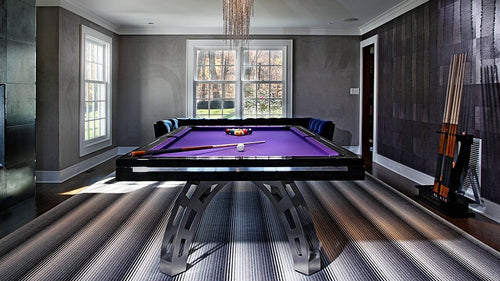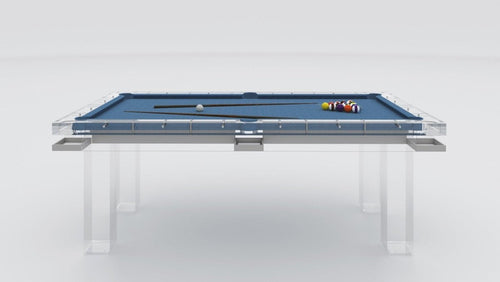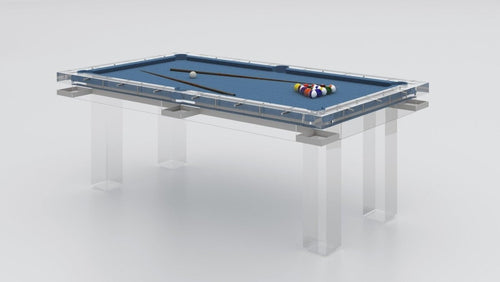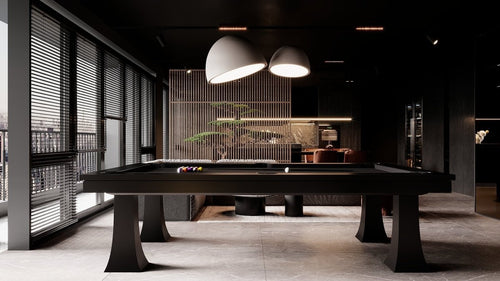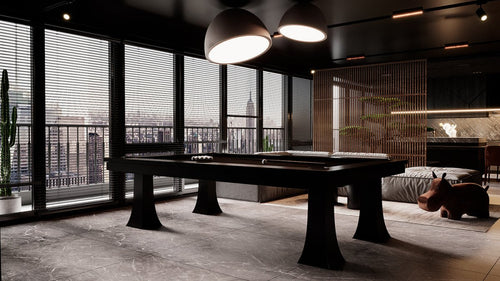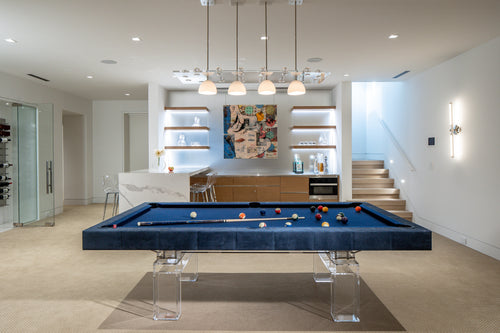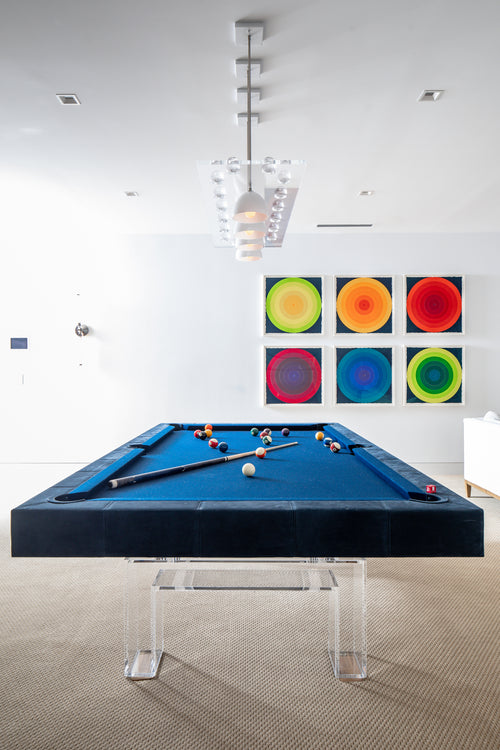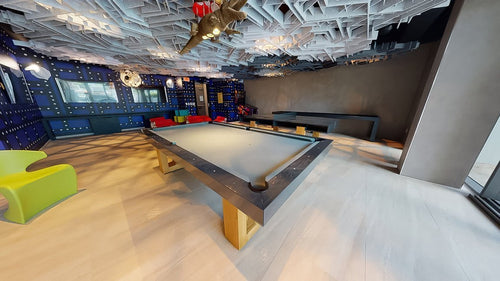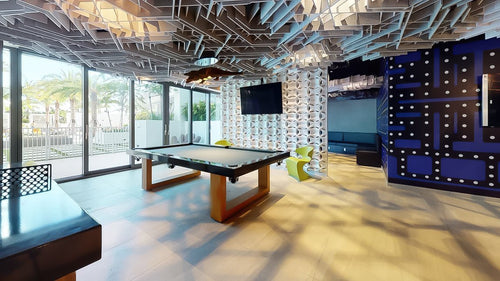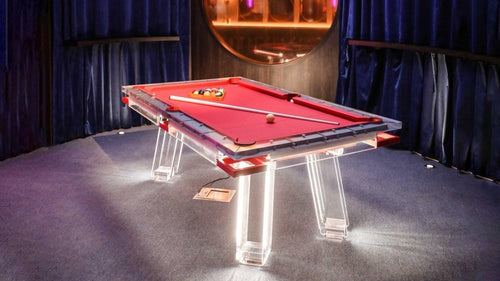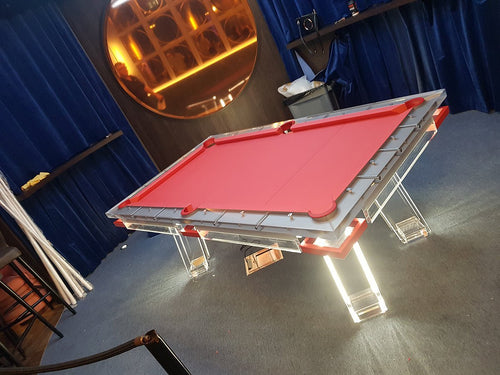


Enjoy our modern designs
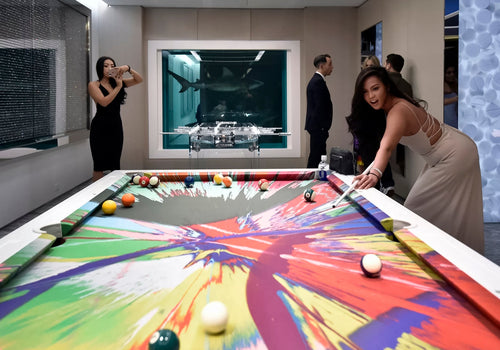
A multi generational game room has to work for more than one kind of player. Children, teens, adults, grandparents, guests, serious players, and casual players may all use the same space. That makes the design more demanding. A room that looks impressive but only works for one age group is not truly successful. The best multi generational game rooms are comfortable, durable, safe, social, and easy to use without looking childish or institutional.
In this guide:
1. Design for Real Users
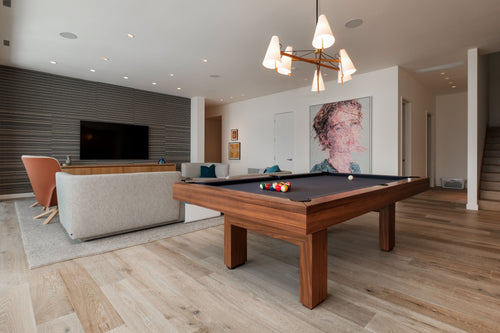
A multi generational game room should start with who actually uses it. A room for adults hosting friends is different from a room for grandparents, teenagers, young kids, and visiting relatives. The pool table may be the anchor, but the room also needs seating, safe circulation, easy storage, and a comfortable mood.
The biggest mistake is designing the room for an imaginary perfect player. Real family rooms have snacks, guests, uneven skill levels, people watching, people walking through, and players who may not know proper pool etiquette.
Design note: A family game room should be elegant, but it should not be precious. If people are afraid to use it, the design failed.
2. Choose the Right Table Size
Bigger is not always better. A large table can feel impressive, but if the room is tight or the players are mostly casual, a slightly smaller table may create a better experience. The right table size should match the room, not just the owner’s ambition.
For a multi generational room, ease of use matters. If children, older adults, or casual guests struggle with every shot because the table is oversized or the room is cramped, the game becomes less inviting.
- Prioritize cue clearance over table size.
- Consider how casual users will experience the room.
- Avoid forcing a tournament-scale feel into a family space.
- Use the table size that makes the room most playable.
3. Cue Length and Ease of Play
Standard cues may not be ideal for every user or every room. Shorter cues can help children, beginners, or tight spots, but they should not be used to justify a badly sized room. They are a useful support tool, not a replacement for proper planning.
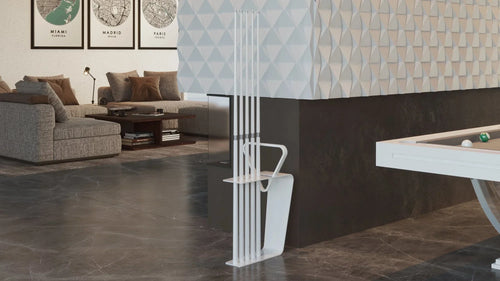
A well-designed room can include different cue lengths stored cleanly and accessibly. This makes the room friendlier to different ages and body types without changing the overall look of the space.
- Provide a few shorter cues for younger players or tight shots.
- Store cues where they are easy to reach but protected.
- Avoid cluttered wall racks in refined rooms.
- Use cue selection to improve comfort, not hide poor layout.
4. Seating for Players and Non Players
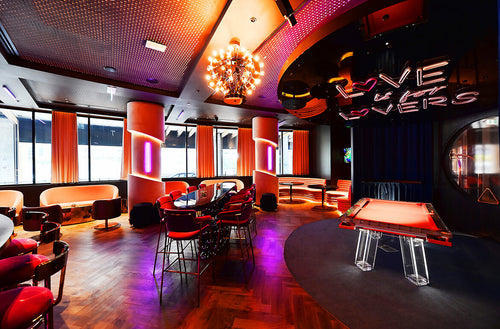
Multi generational game rooms are not only for the people holding cues. Some guests will watch, talk, drink, read, use a tablet, or sit with younger children. Seating matters because it determines whether the room feels social or awkward.
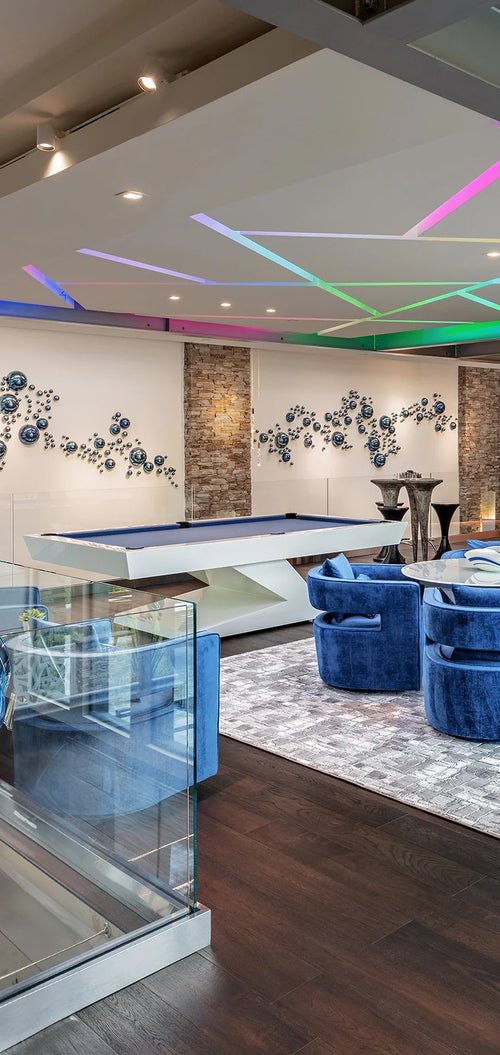
The seating should be close enough to feel connected but far enough to stay outside the cue path. Lounge chairs, banquettes, benches, or sofas can work depending on the room. Avoid furniture that blocks shots or makes players feel crowded.
Design note: The best game rooms let people participate at different levels. Playing, watching, talking, and resting should all feel natural.
5. Safety Without Making the Room Ugly
Safety does not mean making the room look soft or childish. It means choosing layouts and materials that reduce obvious problems. Avoid sharp clutter, unstable stools, narrow walkways, exposed cords, slippery rugs, and fragile objects placed near the playing area.
For older adults, circulation and lighting matter. For children, storage and supervision matter. For everyone, the room should be easy to move through without bumping into furniture or crossing dangerous shot paths.
- Keep walkways clear and predictable.
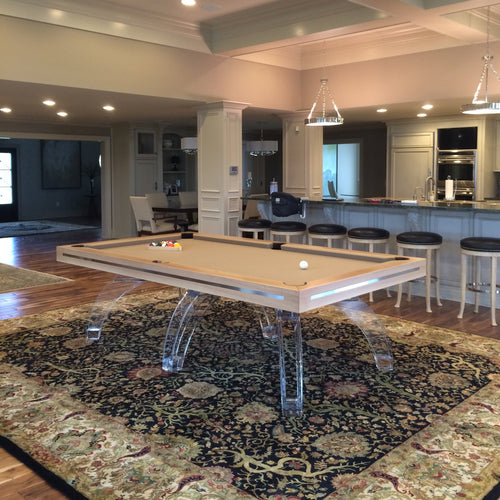
- Avoid loose rugs near high-traffic areas.
- Store chalk, balls, and accessories cleanly.
- Keep fragile decor away from the playing zone.
6. Durability for Heavy Family Use
A family game room needs finishes that can handle real use. That does not mean the room has to look casual. It means the cloth, rails, flooring, seating, wall protection, and accessory storage should be chosen with durability in mind.
If the room will be used by many ages, avoid overly delicate surfaces in high-contact areas. Choose materials that age well, clean easily, and still feel refined.
- Choose cloth colors that suit the room but are not overly fragile.
- Use durable seating fabrics around food and drinks.
- Consider wall protection in narrow cue areas.
- Use storage that makes cleanup easy.
7. Lighting and Visibility for All Ages
Good lighting helps everyone. Older players may need clearer visibility. Younger players benefit from a well-lit surface. Guests need ambient light that feels comfortable. A single harsh fixture over the table is rarely enough for the whole room.
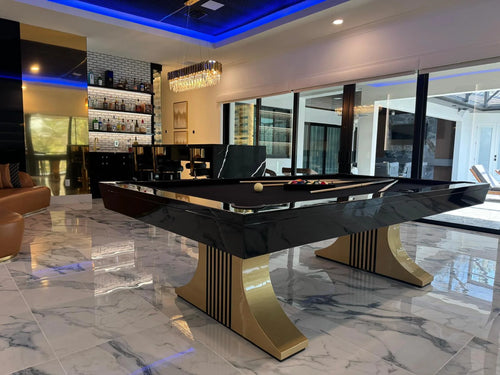
Use even table lighting, softer ambient lighting, and controlled glare. Avoid dark corners, reflective surfaces that shine into players’ eyes, or lighting so moody that the room becomes hard to use.
Design note: A room can be atmospheric without being dim. Multi generational rooms need clarity.
8. Keep the Room Flexible
A multi generational room should adapt. One night it may host adults and drinks. Another day it may be used by kids. Another weekend it may hold grandparents, guests, and family watching a game. Flexible furniture, storage, and lighting help the room shift without looking messy.
The pool table should anchor the room, but not trap it. Use movable side tables, durable seating, hidden storage, and clear circulation so the room can handle different kinds of use.
- Use movable furniture outside the cue path.
- Plan storage for different ages and activities.
- Keep the design elevated but not fragile.
- Make the room easy to reset after use.
The Bottom Line
A multi generational game room should be designed for real people, not just for a beautiful photograph.
Choose the right table size, provide comfortable seating, plan safe circulation, use durable materials, and make the room easy for different ages to enjoy. The best version feels elegant, social, and genuinely usable by everyone in the home.