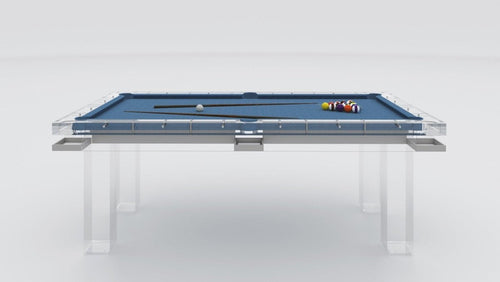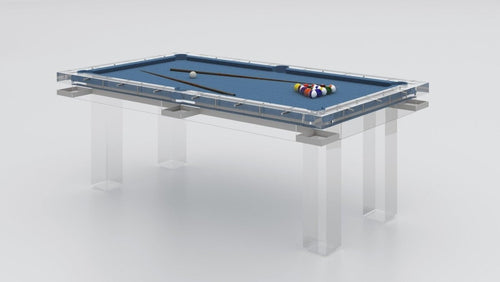


Enjoy our modern designs
Estimated Read Time: 4 mins |
Introduction
One Pocket strips pool to its strategic core. With only two pockets in play—one for each side—every shot becomes a calculated duel of offense and defense. Far more than a test of potting prowess, One Pocket demands foresight, creativity, and fierce table management.
Equipment & Setup
Use fifteen balls in a triangle, with the apex on the foot spot. The breaker chooses one foot-end corner pocket; the opponent takes the other. The break starts behind the head string. The baseline here is OnePocket.org’s rules; agree any handicap or event variation beforehand.
Core Rules & Flow
No shot call is needed. Continue after legally scoring in your pocket. A ball in the opponent’s pocket normally scores for them; a neutral-pocket ball is spotted at the end of the inning. Legal safety play remains central.
Scoring & Victory
The standard target is eight balls. A foul ends the inning and costs one ball, returned under the spotting rules. If you have none, record an owed ball; repay it by spotting at the end of the first inning or innings in which you score, until the debt is cleared. The penalty is not a permanently removed ball.
Penalties & Fouls
After a pocket scratch or cue ball off the table, the opponent has ball in hand behind the head string. After another ordinary foul, play continues from the cue ball’s position. Use the full rules for foul-shot balls, spotting and the warned three-foul loss-of-game provision.
Strategy & Appeal
One Pocket is as much about denying an easy reply as finding a pot. A near miss left close to your pocket can still create a threat, as OnePocket.org’s introductory guide explains. Before attacking, look for your opponent’s strongest reply. A safety exchange happens within a rack; it is not a sequence of automatic reracks.
Conclusion
For players who crave deep strategy over flash, One Pocket offers endless complexity. Each frame tests your ability to shape the table, control the cue ball, and outthink your rival. If you’re ready to elevate your pool game into a cerebral contest of wits, chalk up and focus on your pocket—because in One Pocket, every ball counts twice: once for position, and once for the win.
Sources and rule scope
Checked October 19, 2026: OnePocket.org: standard scoring, fouls, ball in hand and spotting; OnePocket.org: tactical introduction. Use the named edition or event rules consistently.