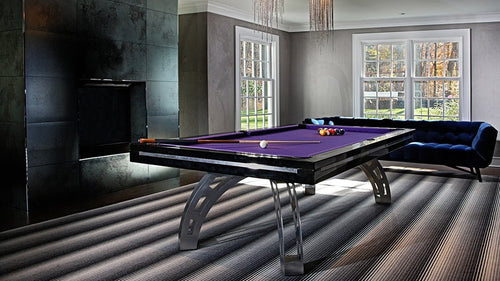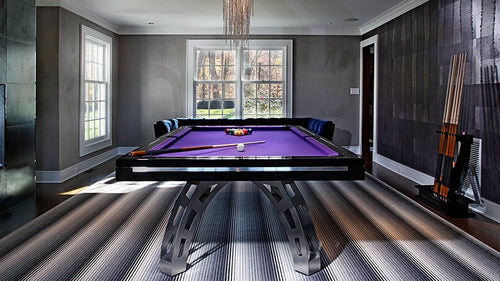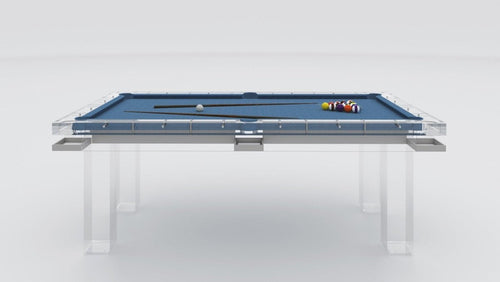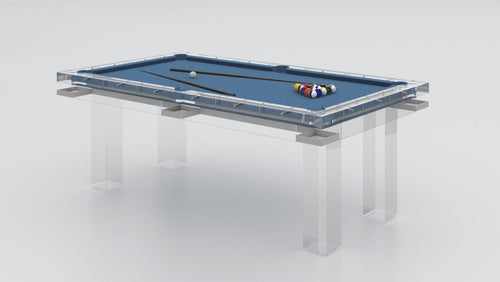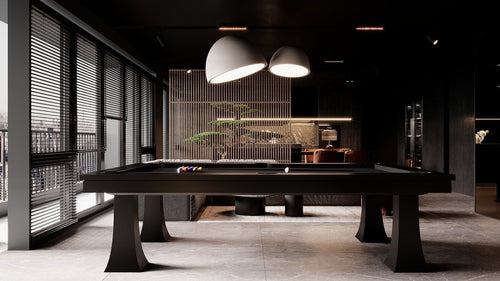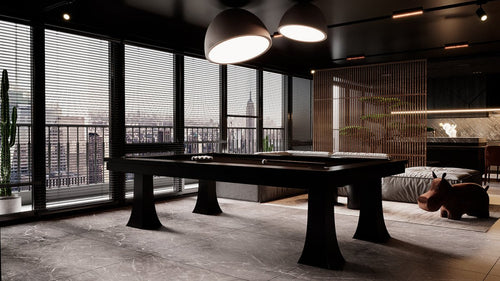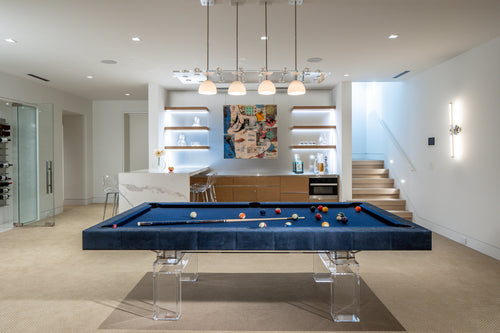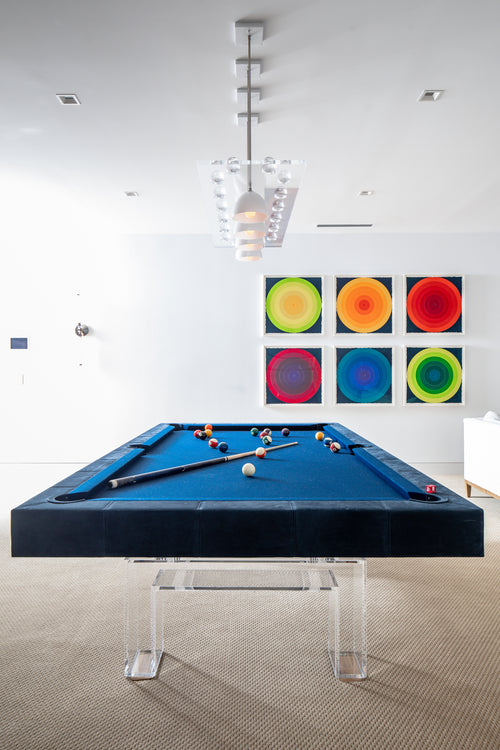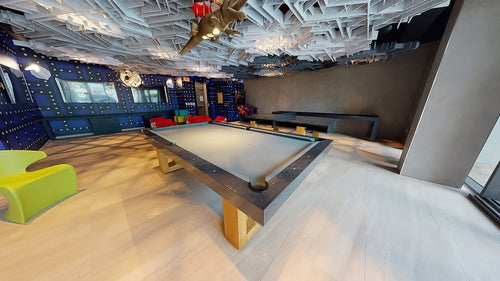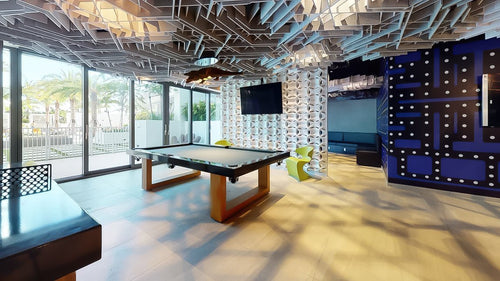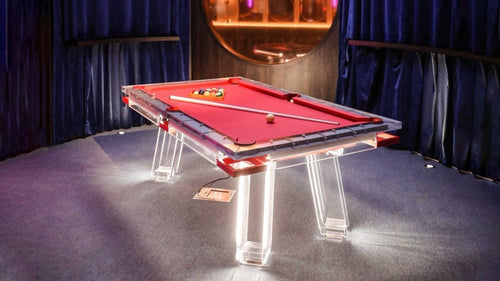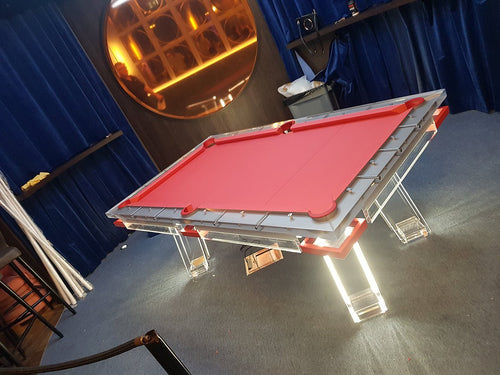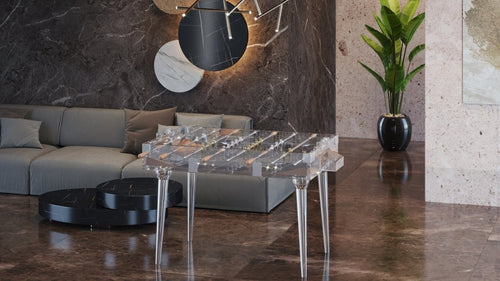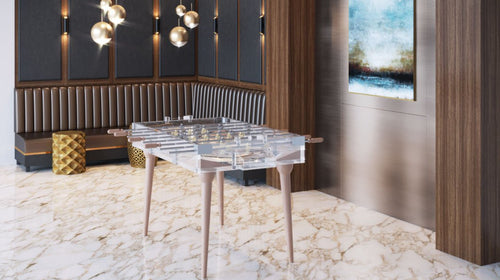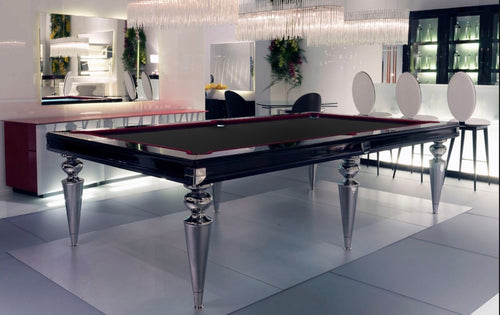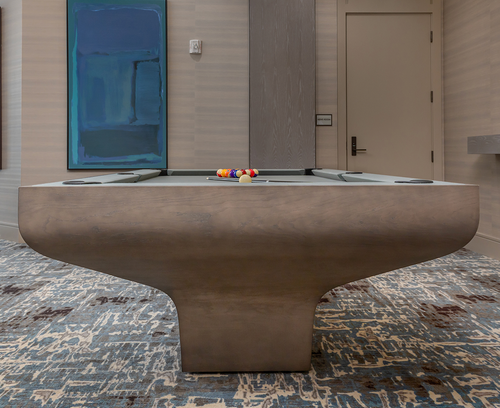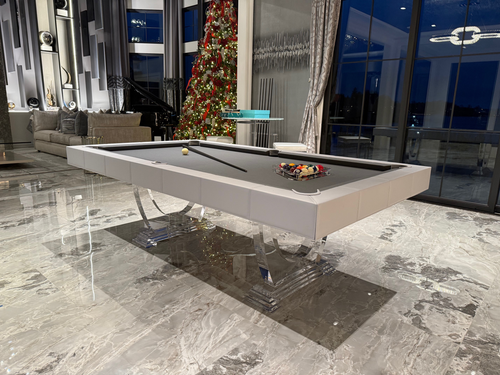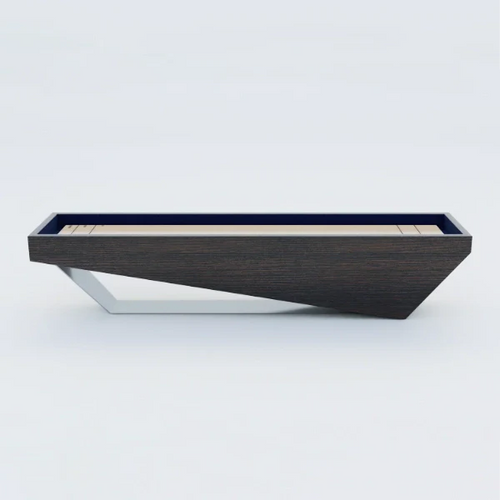


Enjoy our modern designs
Satin is probably the smartest pool table finish most buyers do not ask for enough.
People usually think in extremes. Matte if they want something modern and understated. Gloss if they want something rich and dramatic. Satin gets overlooked because it sounds less exciting. That is a mistake.
In real homes, satin is often the finish that gives you the best parts of both without the downsides of either. It has enough softness to feel refined, enough polish to feel elevated, enough restraint to avoid looking loud, and enough richness to avoid feeling flat.
That is why satin is the underrated sweet spot.
Table of Contents
- Why Finish Sheen Matters
- Where Matte and Gloss Fall Short
- What Satin Actually Does Better
- Satin Makes Wood Look Rich
- Why Satin Feels Expensive in Real Homes
- Satin Works With More Interior Styles
- Furniture, Not Equipment
- Satin Handles Light Better
- Satin Plays Well With Luxury Materials
- Satin Ages Better Visually
- What Satin Looks Best On
- When Satin Might Not Be Right
- My Straight Opinion
- Final Thoughts
Why Finish Sheen Matters
A pool table is a large visual object. It has long rails, broad surfaces, hard edges, and enough mass that even small finish decisions show up in a big way.
Sheen changes how light hits the table, how visible the grain feels, how formal or relaxed the table looks, whether the piece feels architectural or decorative, how much attention it demands, and how forgiving the surface is in daily life.
So this is not some minor final touch. It changes the whole personality of the table.
Where Matte and Gloss Fall Short
Matte and gloss both have strengths, but they also both come with baggage.
Matte
Matte can look excellent. It feels modern, calm, and architecturally clean. But sometimes it can also go too flat.
On the wrong table, or with the wrong wood tone, matte can make the finish feel dry, chalky, or slightly too restrained. It can reduce some of the richness people want from a luxury piece.
Gloss
Gloss can look rich, dramatic, and expensive. But it is much easier to overdo.
It shows fingerprints, glare, dust, and reflections more aggressively. It can also push a table into showpiece territory faster than many homes can support.
That is where satin starts making a lot of sense.
What Satin Actually Does Better
Satin sits in the middle, but not in a boring compromise way. In a useful way.
It keeps enough reflectivity to give the table depth and richness, but it stops well short of that glassy, attention-seeking gloss effect. It softens the surface enough to feel more natural and livable, but not so much that the table loses polish.
That balance is exactly why it works.
A satin finish usually makes a pool table feel tailored, expensive, composed, livable, and refined without trying too hard. That is a strong combination.
Satin Makes Wood Look Rich Without Looking Overfinished
This is one of satin’s biggest advantages.
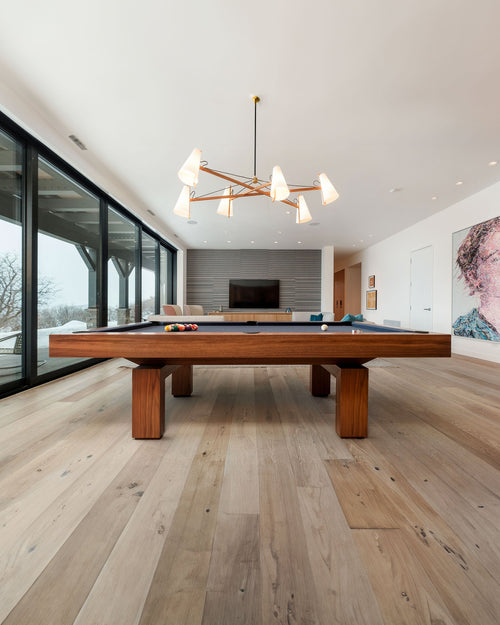
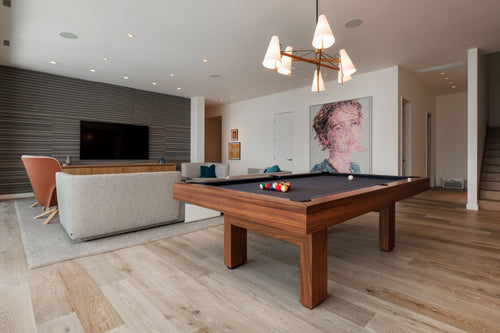
On woods like walnut, oak, ash, or mahogany, satin lets the color and grain come through with real depth, but it does not bury the wood under shine. You still get richness. You still get visual presence. But the table feels more like serious furniture and less like a glossy object trying to impress you.
On walnut, satin is especially strong. It keeps the depth and darkness that people want from walnut, but it avoids pushing the piece into something too formal.
On oak, satin can make the wood feel cleaner and more tailored than open matte while still preserving enough natural character.
That is a hard balance to hit. Satin hits it.
Satin Usually Feels More Expensive in Real Homes
Not in a showroom. In a real home. That is the key.
In real homes, the most expensive-looking things are not usually the loudest things. They are the ones that feel resolved.
Satin finishes often read as more expensive because they look intentional and restrained. They signal that someone made a thoughtful decision instead of just choosing the flattest or glossiest option available.
A satin pool table tends to integrate better with warm modern interiors, quiet-luxury spaces, transitional rooms, soft contemporary homes, and interiors with natural materials and edited palettes.
That broader compatibility is part of why satin is such a smart move.
Satin Works With More Interior Styles Than Matte or Gloss
Matte tends to lean more clearly modern and architectural.
Gloss tends to lean more formal, glamorous, or high-drama.
Satin can move between those worlds more easily. It works in modern interiors, classic-modern interiors, upscale transitional spaces, masculine tailored rooms, open-plan entertaining spaces, and luxury homes that want polish without theatrics.
That versatility matters because many buyers do not live in pure style categories. Their homes are mixed. Satin fits mixed homes better.
Satin Helps a Table Feel Like Furniture, Not Equipment
This is a big one.
One of the main challenges with a pool table is making it feel like it belongs in a serious interior instead of reading as a game object dropped into the room.
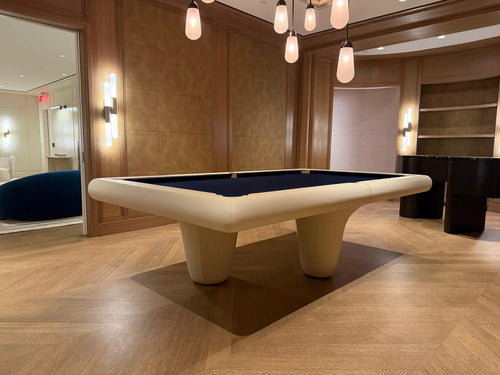
Satin helps with that because it has the polish of luxury furniture without the artificiality that high gloss can sometimes create.
It makes the table feel designed. Furnished. Considered.
That is exactly what a good luxury pool table should feel like.
Satin Is Better at Handling Light
Another practical reason satin wins so often: it behaves better in real lighting conditions.
Matte can sometimes flatten out too much in lower light. Gloss can get messy in bright light, especially near windows, polished floors, mirrors, or metal surfaces.
Satin gives enough response to light to keep the table alive, but not so much that glare becomes the whole story. It usually looks good across more times of day and from more viewing angles.
That makes it especially smart for open-concept spaces and rooms with strong natural light.
Satin Plays Well With Other Luxury Materials
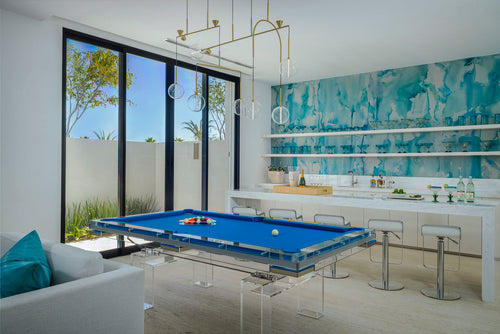
Pool tables often include more than wood. There might be leather, Lucite, stone, brass, bronze, blackened steel, or custom felt colors in the mix. Satin usually handles this mixed-material environment better than either extreme.
Why? Because it does not compete too aggressively.
A gloss finish plus shiny metal plus stone plus Lucite can get loud quickly. A very matte finish next to certain luxe materials can sometimes feel slightly too dry or underdressed. Satin usually lands in the middle and lets the other materials breathe.
It pairs especially well with blackened steel, muted brass, bronze, leather-wrapped elements, taupe, olive, charcoal, navy felt, quiet stone accents, and Lucite used in restrained ways.
It supports those materials instead of fighting them.
Satin Usually Ages Better Visually
Trends matter, whether people admit it or not.
Ultra-gloss tends to feel more period-specific. Very dead matte can also swing in and out depending on what design language is popular at the moment.
Satin is more stable. It has enough timelessness that it usually avoids looking trend-locked.
That makes it a better long-term choice for buyers who want a table to still feel right years from now.
What Satin Looks Best On
Satin is especially strong on:
- walnut pool tables
- oak tables that need more polish
- black or charcoal painted finishes
- modern-classic tables
- mixed-material tables
- luxury tables meant to be used, not just admired
It is usually less about making a table flashy and more about making it feel resolved.
When Satin Might Not Be the Right Choice
Satin is not automatically right for everything.
If someone wants a very sharp, stealthy, almost gallery-like modern piece, matte may be better.
If someone wants maximum drama, lacquered glamour, or a stronger centerpiece effect, gloss may be the better call.
But those are more specific goals. For broad luxury appeal, satin is hard to beat.
My Straight Opinion
If someone is unsure, satin is probably the smartest answer.
It gives you more richness than matte, more restraint than gloss, better day-to-day livability than gloss, better elegance than overly flat matte in many cases, and broader compatibility with real interiors.
That is why I call it the underrated sweet spot.
People overlook it because it sounds less dramatic. But in actual design, balance usually wins.
Final Thoughts
Satin finishes on pool tables work because they solve the real problem most buyers are dealing with: how to make a large game table feel luxurious, furniture-like, and integrated without becoming either flat or flashy.
Matte can be beautiful. Gloss can be beautiful. But satin often gets the proportions of the decision exactly right.
It gives the table richness, control, and versatility at the same time.
That is why it is the sweet spot.