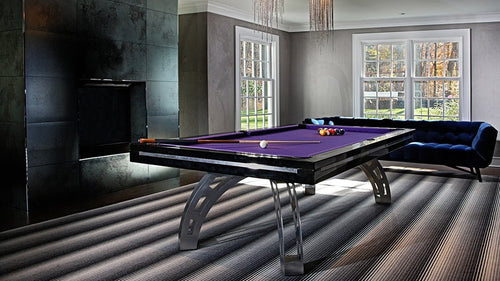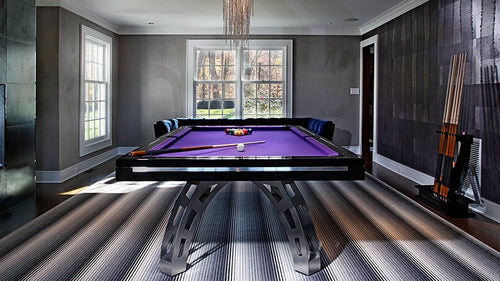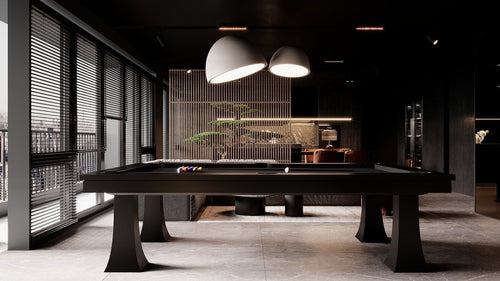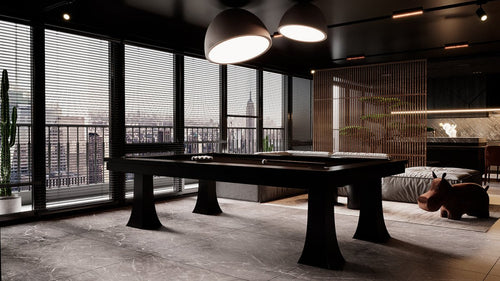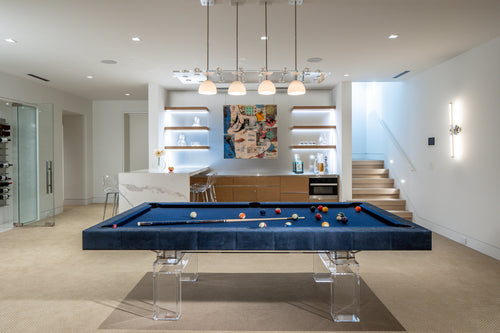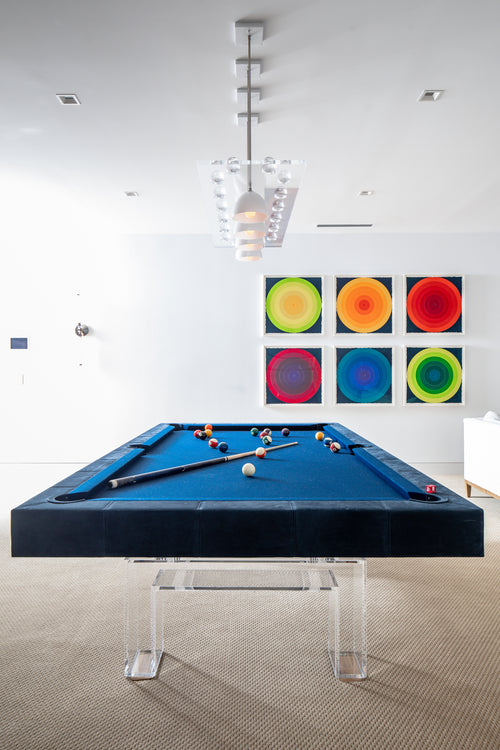


Enjoy our modern designs
Transforming raw animal hides into luxurious leather upholstery for high-end furniture and billiards is a detailed, multi-stage process that ensures durability, aesthetic beauty, and tactile comfort. This intricate journey involves preservation, tanning, finishing, and meticulous attention, especially when handling exotic hides such as crocodile or alligator.
Table of Contents
From Raw Hide to Finished Leather: Technical Processing Steps
1. Hide Preservation & Preparation
Immediately after harvesting, hides are preserved by curing methods like salting or refrigeration to prevent decay. At the tannery, hides are rehydrated and cleaned thoroughly. Cowhides undergo hair removal, while exotic reptile hides such as crocodile skins undergo descaling through gentle chemical baths, loosening and removing scales to expose the skin’s grain.
2. Tanning (Converting Hide to Leather)
Tanning stabilizes the protein structure of the hides, transforming them into durable leather. Chrome tanning, using chromium salts, is most common for upholstery due to its supple finish and durability. Hides are placed in rotating drums with tanning agents for several days, emerging as "wet blue," a pliable, stabilized material. Vegetable tanning, employing plant tannins, is occasionally used for firmer leather.
3. Splitting and Shaving
After initial tanning, hides are split to create top-grain layers, then shaved for uniform thickness. Precise shaving is crucial, particularly for exotic skins, which vary significantly in thickness. Skilled operators use specialized shaving machines to achieve consistency, critical for high-quality upholstery. Each hide is meticulously inspected post-shaving.
4. Re-Tanning and Fatliquoring
The "wet blue" leather undergoes additional processes, including neutralization and bleaching, to balance pH and remove natural pigments. Fatliquoring follows, where emulsified oils and fats penetrate the fibers, enhancing flexibility and softness. This step significantly determines the leather’s texture, durability, and color receptiveness. The hides are stretched and dried under tension, resulting in "crust" leather, ready for dyeing.
5. Dyeing (Coloration)
High-end leather coloring involves drum dyeing, where rehydrated crust leather is placed into dye drums for even color penetration, often using aniline dyes for transparency or semi-aniline for uniformity. After dyeing, the hides may be lightly re-shaved, stretched again, and thoroughly dried. This stage imparts the leather’s final color but not the protective finish.
6. Finishing
The finishing process defines leather's ultimate look and feel, ranging from minimal treatment for pure aniline leathers to protective coatings for corrected grain leathers. Surface finishes may include glazing, buffing under a spinning agate stone for exotic leathers, or applying matte, satin, or glossy protective topcoats to enhance durability and appearance. Finally, exotic reptile skins undergo "bombré" to restore a natural three-dimensional appearance. Hides are graded, measured, trimmed, and shipped as finished leather stock.
Leather Types in High-End vs. Mid-Range Furniture and Pool Tables
High-End Furniture
- Full-Grain (Pure Aniline): Prized for natural markings, soft touch, and luxurious aging. Used in upscale sofas and club chairs.
- Top-Grain (Semi-Aniline): Offers a balance between luxury and practicality, ideal for family-friendly environments and pool table pockets.
- Exotic Leathers (Crocodile, Alligator, Ostrich): Exclusively for accent pieces due to high cost and unique aesthetics, used sparingly on furniture panels, pockets, or inlays.
Mid-Range Furniture
- Corrected-Grain (Pigmented): Durable and easy maintenance, typically used in mid-range furniture due to uniform appearance and practicality.
- Split Leather and Bicast: Lower-tier materials with heavy coatings, commonly found in budget furniture.
Market Trends, Suppliers, and Pricing
The global leather market reflects trends toward sustainability and ethical sourcing, particularly for exotic leathers. Italy, France, and the U.S. are renowned for premium cowhide leather, while exotic leathers predominantly come from specialized regions:
- Alligator and Crocodile: Farmed and regulated in the U.S., Africa, Australia, and Asia, with high costs reflecting their exclusivity.
- Ostrich: Primarily farmed in South Africa, known for its unique quill patterns and softness.
- Stingray and Snakeskin: Sourced mostly from Southeast Asia, used in decorative accents.
Leather pricing varies significantly by type and processing method, with exotic leathers commanding premium prices per hide.
Applications in Furniture and Pool Table Upholstery
High-End Furniture
Leather choice is integral to luxury furniture design, valued for its durability, natural aging, and comfort. Color, finish, and tactile qualities are chosen to enhance luxury appeal, from full-grain aniline for a natural patina to pigmented leathers for practical longevity.
Pool Tables
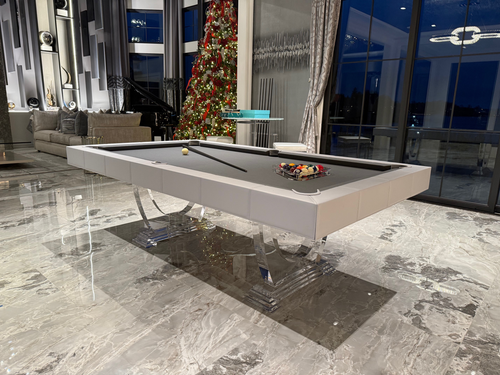
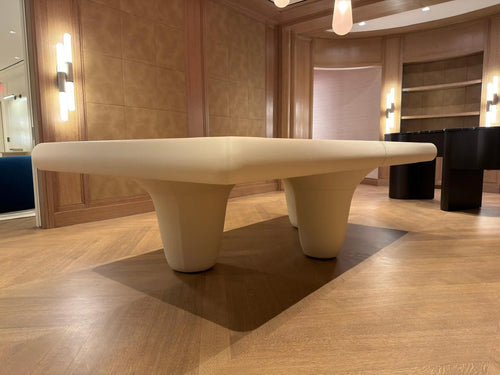
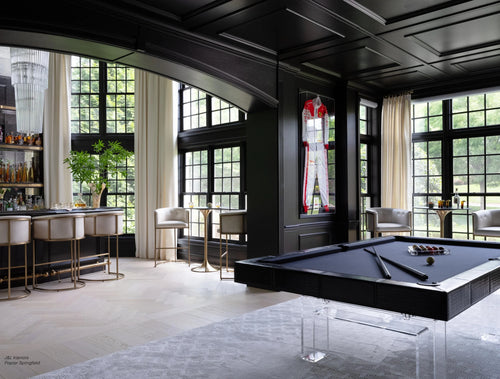
Leather is essential for drop pockets, chosen for durability and aesthetic appeal. Custom tables may feature exotic leather accents for decorative elements, balancing visual harmony with functional resilience.
Consumer Considerations
Consumers value authenticity, craftsmanship, and heritage in leather products. Ethical sourcing, sustainability, and traceability increasingly influence luxury buyers' preferences. Maintenance and care considerations ensure leather’s longevity, further enhancing its desirability in high-end applications.
In conclusion, leather’s journey from raw hide to luxurious upholstery involves intricate processes and careful choices tailored to aesthetic, functional, and consumer preferences, maintaining leather’s timeless appeal in high-end furniture and pool tables.