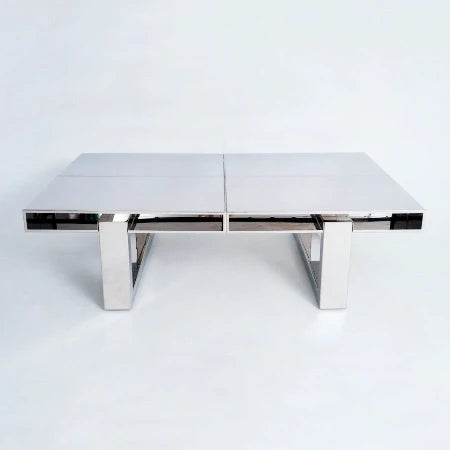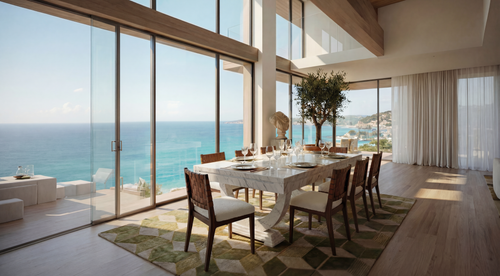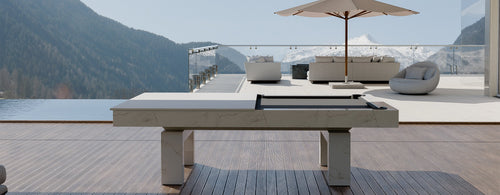


Enjoy our modern designs
A wine room and a pool table can feel like a natural luxury pairing. Both are social, atmospheric, and built around slow enjoyment. But the combination is not automatically smart. Wine storage has different environmental needs than a game table, and a true cellar is not the same thing as a wine lounge. If the room is designed for bottles, temperature control, and humidity first, a pool table may be wrong. If it is designed as a dry wine lounge or tasting room, it can be excellent.
In this guide:
- 1. Wine Cellar vs Wine Lounge
- 2. When a Pool Table Makes Sense
- 3. When It Is the Wrong Move
- 4. Temperature and Humidity Problems
- 5. Layout Around Tastings Guests and Cue Clearance
- 6. Material Choices for a Wine Room Pool Table
- 7. Lighting Without Glare or Heat
- 8. How to Make the Room Feel Sophisticated
1. Wine Cellar vs Wine Lounge
The first distinction is simple: a wine cellar is for storing wine, while a wine lounge is for enjoying it. A cellar may be cooler, more humid, and more controlled than a normal living space. A lounge is usually more comfortable for people, conversation, seating, and entertaining.
A pool table belongs in the lounge version, not the storage-first version. If the room is primarily a climate-controlled cellar packed with bottles, the table may interfere with the purpose of the space. If the room is a tasting lounge with wine storage as a feature, the table can work beautifully.
Design note: Do not confuse a wine display room with a proper cellar. The pool table belongs in the social room, not the technical storage environment.
2. When a Pool Table Makes Sense
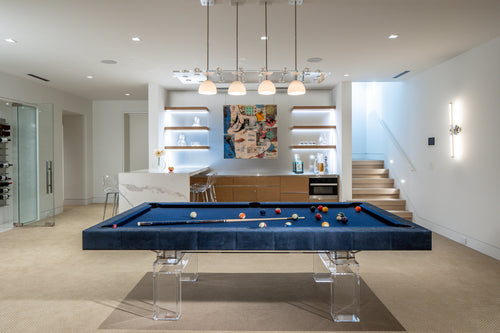
A pool table makes sense in a wine room when the space is dry, comfortable, and designed for hosting. It works especially well when there is already seating, a tasting counter, a bar, art, low lighting, or a fireplace. The table gives guests something to do without turning the room into a loud entertainment area.
It also helps a wine room avoid becoming purely decorative. Many luxury homes include beautiful bottle displays that are rarely used. A pool table gives the space daily life.
- Best for wine lounges, tasting rooms, and private bars.
- Strong fit when the room already has seating and social use.
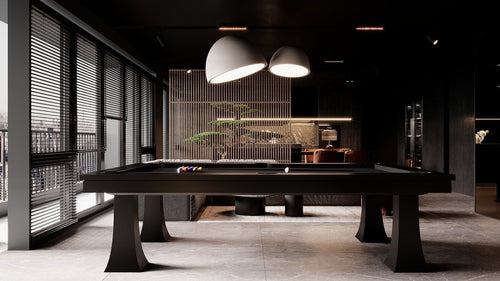
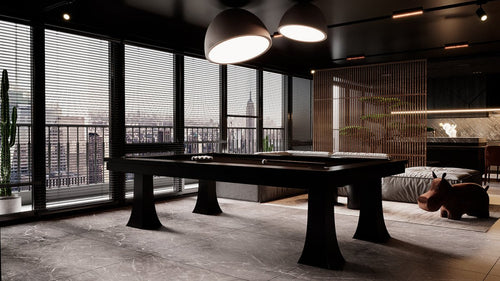
- Works well in darker, moodier, material-rich interiors.
- Adds function to a room that might otherwise be mostly visual.
3. When It Is the Wrong Move
A pool table is a bad idea when the room is too small, too cold, too humid, or too focused on bottle storage. It is also a bad idea if guests must squeeze around glass racks, climate systems, or expensive wine walls while trying to shoot.
The table should not create anxiety. If every shot risks bumping a display wall, knocking a glass, or blocking access to bottles, the room will feel impractical.
- Avoid true cellar environments with high humidity or low temperatures.
- Avoid tight rooms where cue clearance is compromised.
- Avoid placing the table too close to fragile bottle displays.
- Avoid layouts where food, wine, and chalk collide constantly.
4. Temperature and Humidity Problems
Wine likes environmental control. Pool tables like environmental stability. Those ideas overlap, but they are not identical. A space that is ideal for wine storage may not be ideal for wood, cloth, leather, and cushions, especially if it is cooler or more humid than normal living conditions.
If the room is a wine lounge maintained like a normal interior space, the concern is lower. If it behaves like a cellar, the table needs careful review before placement.
Design note: The more the room is engineered for bottles instead of people, the more cautious you should be about adding a pool table.
5. Layout Around Tastings Guests and Cue Clearance
Wine rooms need surfaces for glasses, bottles, decanters, and small plates. Pool tables need clear space on every side. These needs can work together if the room is planned properly, but they clash when furniture is placed too casually.
Keep tasting counters, bar carts, stools, and lounge chairs outside the cue path. Give guests places to set glasses that are not the rail of the table. A pool table should never become the room’s accidental serving table.
- Use sideboards, counters, or small drink tables away from the playing surface.
- Keep bar stools outside the shot path.
- Protect wine displays from accidental contact.
- Leave enough room for spectators to stand without crowding players.
6. Material Choices for a Wine Room Pool Table
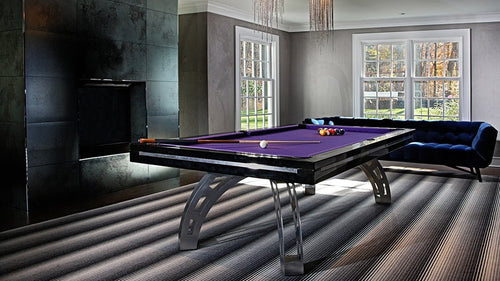
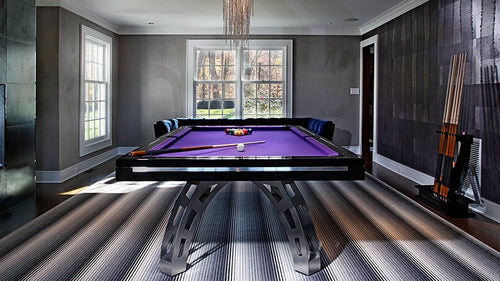
Wine rooms often look best with warm, atmospheric materials: walnut, oak, bronze, leather, dark stone, plaster, smoked glass, and rich textiles. A pool table should echo that mood. This is not usually the room for bright cloth, novelty finishes, or overly modern contrast unless the entire interior is designed that way.
Deep greens, charcoal, navy, burgundy, warm grey, or muted earth tones can work well for the cloth. Wood finishes can coordinate with bottle racks, cabinetry, or wall paneling. Leather details can add softness without making the table feel too casual.
- Walnut and darker woods suit moody wine lounges.
- Bronze or blackened metal can feel more refined than chrome.
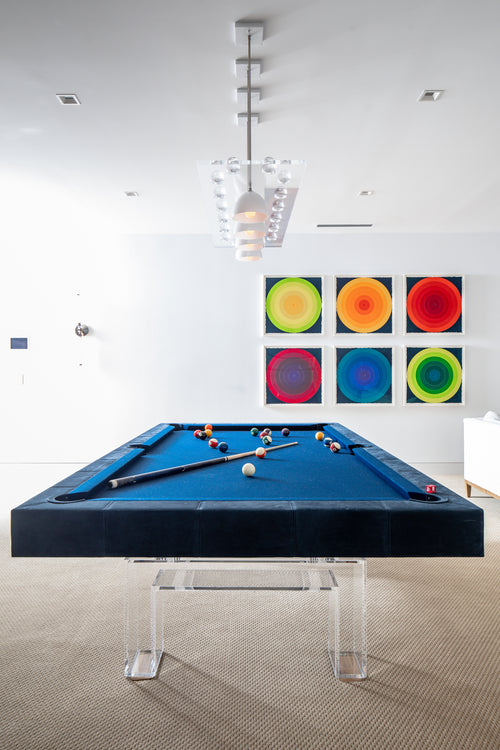
- Muted cloth colors usually work better than tournament brights.
- Stone accents can connect the table to counters or flooring.
7. Lighting Without Glare or Heat
Lighting is one of the hardest parts of a wine room pool table. Wine rooms often use dramatic accent lighting, backlit bottle walls, and low ambient light. Pool requires even light across the playing surface. The room needs both mood and function.
Avoid fixtures that create glare on glass, shine into players’ eyes, or heat the bottle display. Use dimmable, controlled lighting so the table can be properly lit during play and the room can return to a softer atmosphere afterward.
Design note: A wine room should feel intimate. A pool table should still be playable. Good lighting has to do both.
8. How to Make the Room Feel Sophisticated
The danger is making the room feel like a bar theme. A luxury wine room with a pool table should not rely on signs, clichés, or novelty decor. The sophistication comes from material quality, proportion, lighting, storage, and restraint.
The table should feel like a permanent feature of the room. Match it to the millwork, wine storage, seating, and architecture. Hide accessories when not in use. Give glassware and bottles proper surfaces so the pool table stays clean and intentional.
- Keep the palette controlled.
- Use proper storage for cues, balls, chalk, and brushes.
- Avoid using the pool table as a serving station.
- Let the wine display and table share the room rather than compete.
The Bottom Line
A pool table can work beautifully in a wine room when the space is really a wine lounge: dry, comfortable, social, and designed for people as much as bottles.
It is a poor fit for tight, humid, storage-first cellars. The cleanest approach is to keep the table in the tasting or lounge zone, choose warm materials, manage lighting carefully, and protect both the wine display and the playing experience.