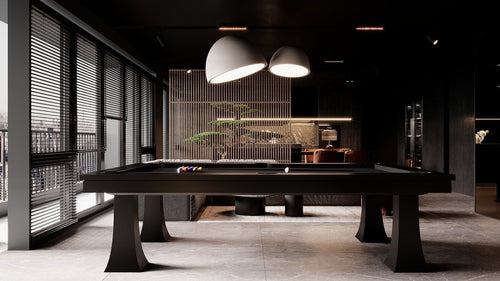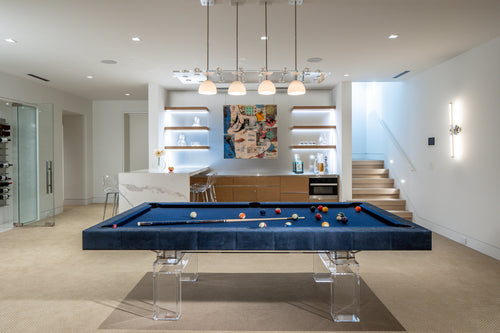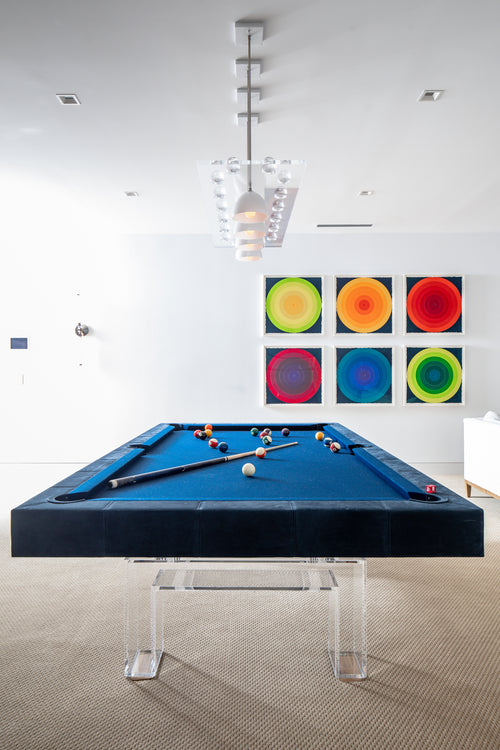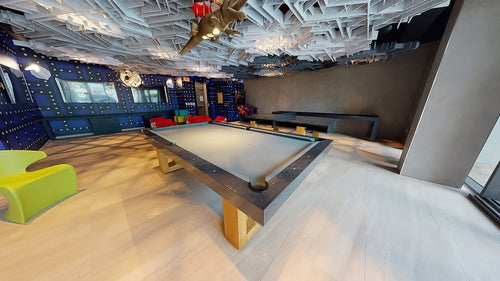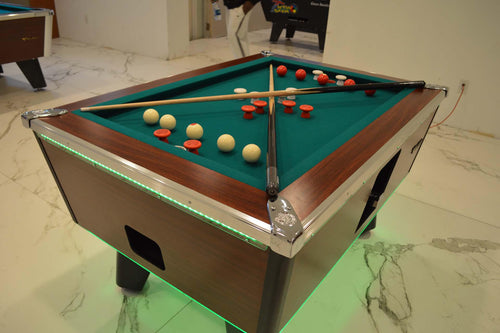


Enjoy our modern designs
Brunswick Billiards, a dominant force in American billiards from the late 19th century through much of the 20th, ultimately shifted its focus to bowling as cultural trends and leisure preferences changed in post-WWII America. This blog explores Brunswick's rise, its near-monopoly in the billiards industry, and the strategic pivot to bowling that redefined its legacy.
Table of Contents
Brunswick's Billiards Empire: 1845–1940s
Founded in 1845 by John Moses Brunswick, a Swiss woodworker in Cincinnati, Brunswick quickly became synonymous with quality billiards equipment. By the late 19th century, the company merged with competitors to become the Brunswick-Balke-Collender Company, the largest billiards manufacturer in the world.
- Controlled 75% of raw materials and 85% of the American billiards market
- Partnered with top players like Willie Mosconi to promote a wholesome image of billiards
- Standardized the game by shaping rules, terminology, and sponsoring national tournaments
Brunswick sought to elevate pool's image from its gambling hall roots to a respectable pastime. Their marketing targeted families, promoting home tables as wholesome entertainment.
Golden Age of Billiards and Cultural Significance
In the early 20th century, billiards was a central feature of American leisure. Lavish pool halls filled cities, and Brunswick tables became standard fixtures. By the 1920s:
- Over 42,000 poolrooms existed nationwide
- Brunswick owned massive manufacturing capacity, including a million-square-foot plant in Michigan
- During WWII, over 13,000 Brunswick tables were installed at U.S. military bases
Despite attempts to legitimize the game, pool retained some social stigma, often associated with vice. Nevertheless, Brunswick helped make billiards a central piece of American culture.
The Decline of Billiards After WWII
Following the war, billiards experienced a dramatic downturn due to:
- Rise of suburban living and family-centered leisure
- Dominance of television reducing out-of-home entertainment
- Persistent negative perceptions of pool halls
- A shrinking bachelor demographic and growing disinterest in traditional pool games
New York City saw licensed pool halls drop from 5,000 in the 1920s to just 600 by the 1950s. Brunswick tried to adapt with new billiard center formats and film tie-ins like The Hustler (1961), but these efforts were modestly effective.
Pivot to Bowling: Brunswick's Strategic Realignment
With pool in decline, Brunswick leaned into bowling—an area it had been investing in since the 1880s. Bowling's popularity exploded in post-war America due to:
- Technological innovations like the automatic pinsetter (Brunswick's Model A, released in 1956)
- A broad demographic appeal: families, leagues, women, and children
- Suburban expansion and shopping center development
Brunswick's strategic moves included:
- Selling equipment to new alleys, often on credit
- Advertising bowling as fun and family-friendly
- Operating its own bowling centers to stabilize the market
By 1961, Brunswick's sales rose to $422 million, a tenfold increase from 1954. Bowling became the financial backbone of the company.
Pool as an Adjunct to Bowling
Pool didn't disappear, but its role shifted. It became a secondary attraction in bowling centers. Willie Mosconi noted that he mainly performed exhibitions in bowling alleys rather than dedicated poolrooms—a symbolic indicator of billiards' new, diminished role.
Legacy of Adaptation
Brunswick's history showcases its ability to read cultural trends and pivot accordingly. Its dominance in billiards laid the groundwork for its later triumph in bowling. The company's shift in focus illustrates how business survival often hinges on embracing change.
From commanding the Gilded Age's poolrooms to outfitting post-war bowling alleys, Brunswick evolved with the times—retaining its place as a titan of American recreation.