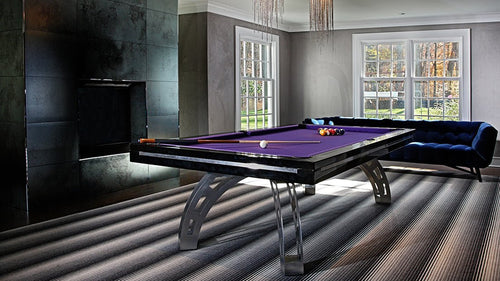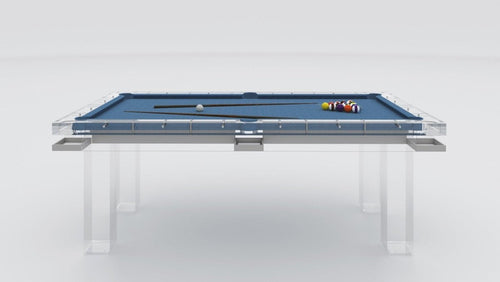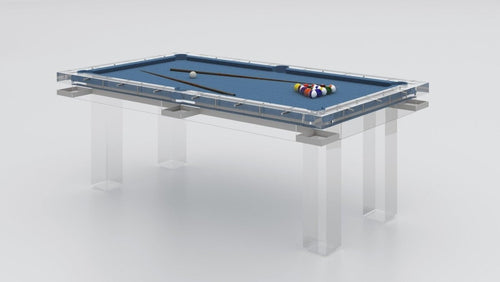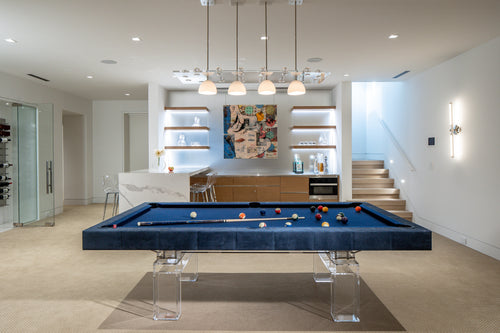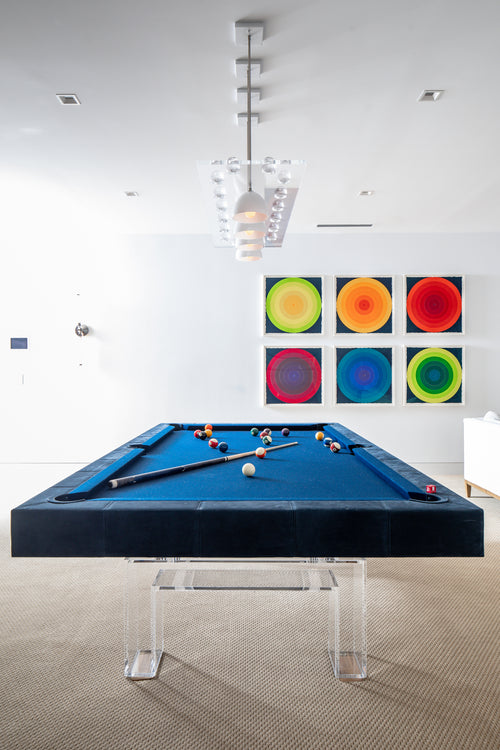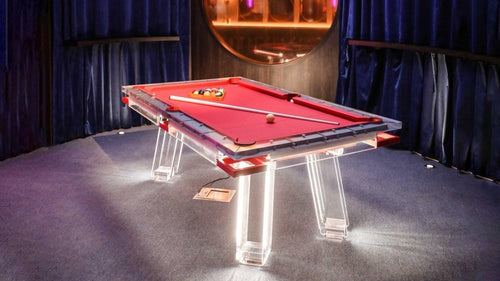


Enjoy our modern designs
Not Using a Professional Installer

Pool tables can contain heavy, fragile parts and need model-specific handling. Confirm the actual table and component weights before planning a move; an assumed 800-pound slate weight is not a specification. Brunswick recommends professional table service for moving.
Ask an experienced pool-table installer to plan disassembly, handling, protection and reassembly for your model. Confirm the route, equipment, personnel and checks included in the service.
In short, if you’ve invested in a top-tier table, don’t cut corners when it comes to moving it. Hire the professionals, so you can focus on enjoying your game rather than worrying about potential repairs. After all, it’s better to let the pros handle the heavy lifting than to end up with a costly mistake.
Ignoring the Model’s Moving Procedure
Follow the manufacturer’s moving procedure. Many slate furniture tables need disassembly, while some commercial or portable designs have approved moving methods. Do not lift an assembled table by its rails or assume a generic dolly makes that safe. Confirm the permitted support points and whether slate, rails or legs must be removed.
Improper Labeling of Parts
When disassembling your pool table, it’s essential to label every piece. Failing to do so can lead to confusion and difficulty during reassembly. Make sure to keep all screws, bolts, and smaller components in clearly labeled plastic bags. Having plastic bags on standby will save you a lot of time and frustration when it comes to putting the table back together.
Not Protecting the Slate

Slate edges and corners can chip or crack during handling. Protect and support each component as the maker or installer specifies, and secure it appropriately for transport. Padding does not compensate for an unsupported slab or unsuitable lifting method.
Not Leveling the Table After Moving
After reassembly, check support, slab alignment, seam transitions and level using the specified procedure and suitable tools. A precision level measures inclination; it does not by itself prove that the bed is flat. No particular tool price guarantees a correct installation.
Using Inadequate Moving Equipment

Choose handling equipment for the actual loads, dimensions and route, with the table maker’s permitted support points. Capacity ratings alone do not prove a dolly, strap or slider is suitable for the assembly.
Pool Table Lift Dollies: Use only a compatible, rated system with the approved contact and support points.Better yet, consider hiring professional movers who specialize in pool tables to ensure the job is done safely and correctly.
Ignoring the Flooring
Check both the structural suitability of the destination and protection of its finish. Provide the actual load and leg positions for any required building assessment. Ask the installer and flooring maker about suitable load-spreading or protective pads; soft pads can affect stability and are not a structural solution.
Attempting to Move It Alone

Use the handling team and equipment required by the actual component weights, shape and route. “At least two people” is not a safe universal prescription. If the approved procedure is unavailable, have a qualified installer plan the move before anyone begins lifting.
Conclusion
A planned move protects the table better than improvising with furniture equipment. Identify the model, verify the route and loads, protect the components and arrange reassembly checks. PoolTablePortfolio recommends using a professional installer to handle the move.
Remember, a well-maintained pool table is an investment that can provide years of enjoyment, so treat it with the care it deserves during any move. If you have any questions or concerns, contact us at sales@pooltableportfolio.com or call us at 888.617.7665.
Sources
References checked October 19, 2026: Brunswick: moving and servicing tables; WPA equipment guidance: separate flatness and seam criteria.