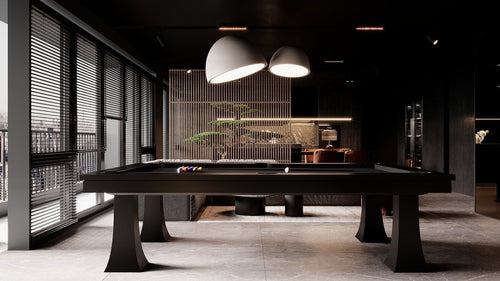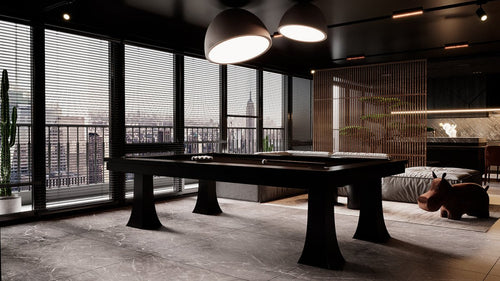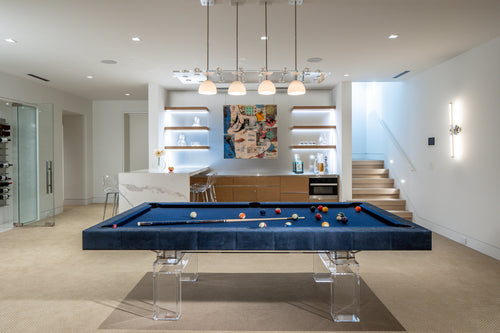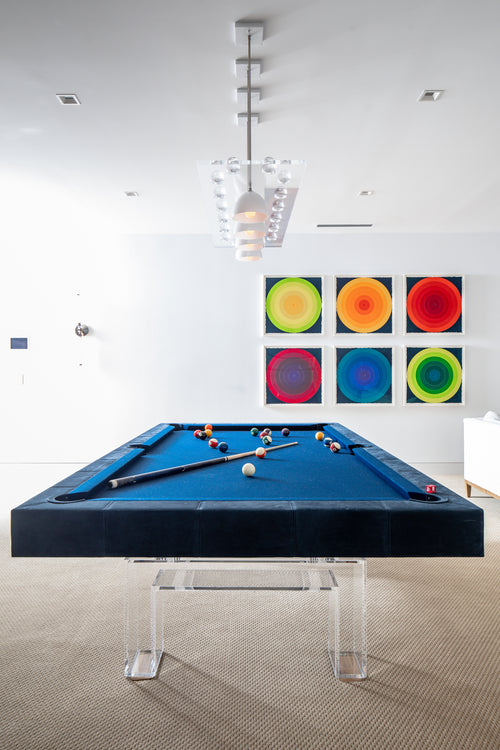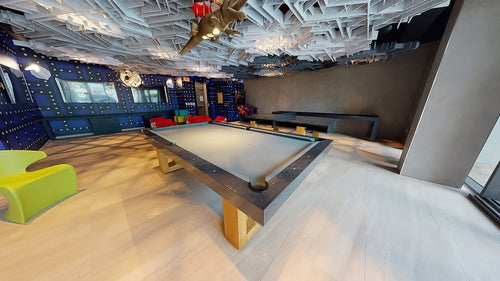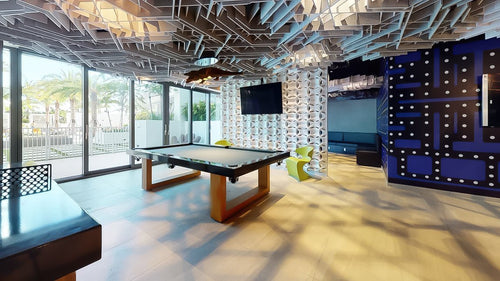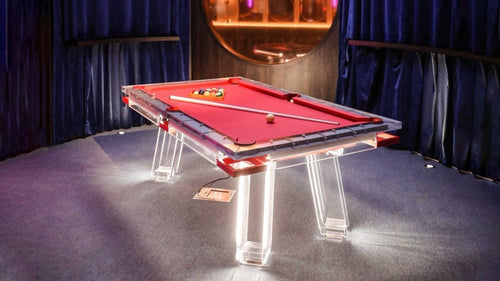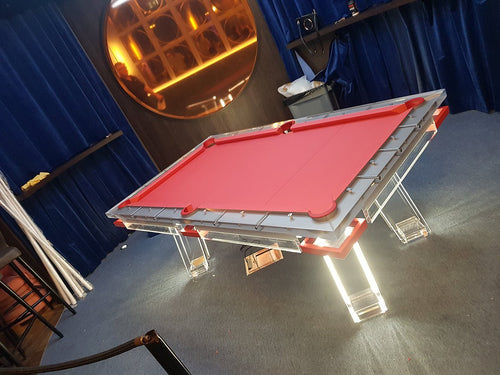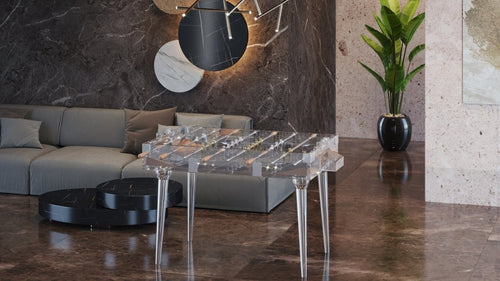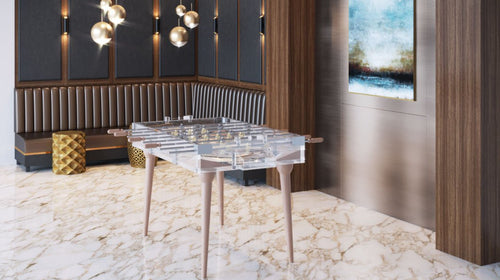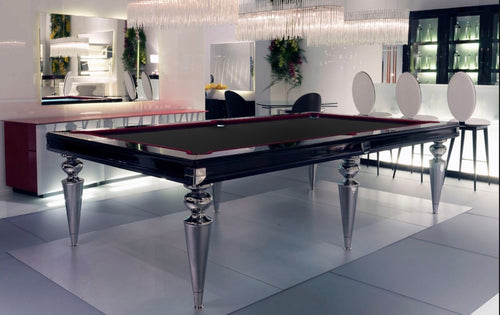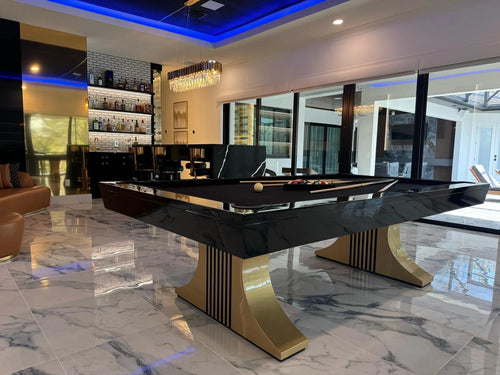


Enjoy our modern designs
In the world of luxury real estate, the definition of a "finished home" is constantly evolving. Ten years ago, the focus was entirely on granite countertops and spa bathrooms. Today, as high-net-worth individuals spend more time entertaining at home, the focus has shifted to "lifestyle amenities."
One of the most common questions we hear from homeowners planning a renovation or furnishing a new space is: Will a dedicated game room actually increase my home's resale value?
The short answer is: It depends on the execution.
A cluttered basement with a wobbly table adds no value. However, a curated "Entertainment Suite" outfitted with premium furniture does something arguably more powerful than increasing the appraisal: it increases the desire.
Here is the truth about how a luxury game room impacts your property value.
Table of Contents
1. The Power of "Defined Flex Space"
Real estate appraisers look for "livable square footage," but buyers look for purpose.
An empty 15x20 bonus room is often seen as a problem to solve. Is this an office? A gym? A storage room? By staging this space as a high-end billiard room, you immediately define the purpose of the square footage. You aren't just selling a room; you are selling the concept of Friday night poker games, holiday family gatherings, and sophisticated hosting.
In the luxury market, "undefined space" feels unfinished. A game room defines the space as a leisure destination.
2. Emotional ROI: Selling the "Host" Lifestyle
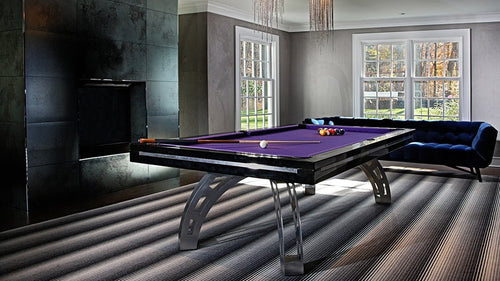
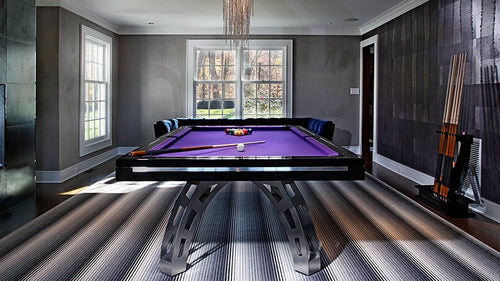
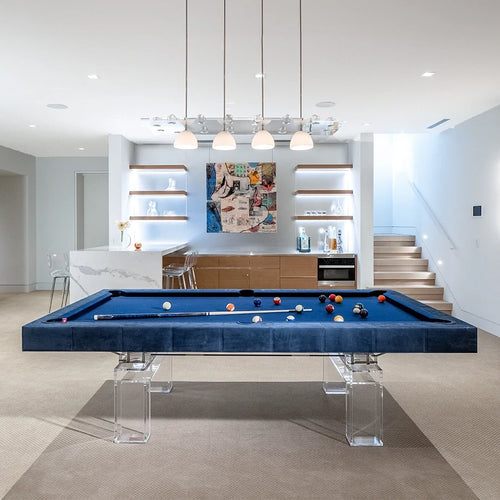
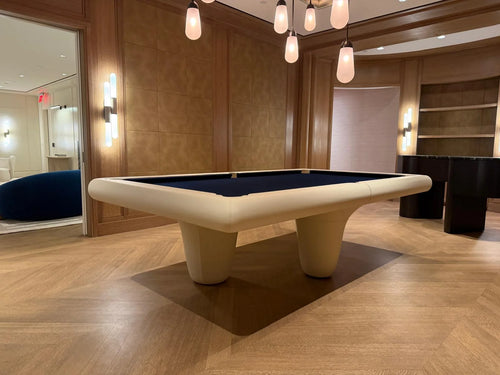
Luxury homes are bought on emotion, not just logic. When a potential buyer walks into a room with a mahogany pool table, a sleek custom cue rack on the wall, and dimmable lighting, they visualize themselves living that life.
They imagine holding a scotch, leaning against the table, and laughing with friends. This is called "Lifestyle Staging."
A dedicated game room signals that the home is ready for entertaining. For buyers in the upper bracket, the ability to host comfortably is a major selling point. If your game room looks like a high-end lounge, it creates an emotional hook that can drive up the offer price or speed up the sale.
3. The Difference Between "Toys" and "Furniture"
This is the most critical factor in whether your game room adds or subtracts value.
- The Negative Impact: A room filled with neon beer signs, plastic furniture, and a cheap particle-board table looks like a college dorm. This "man cave" aesthetic can actually turn buyers away, as they calculate the cost of "de-cluttering" the room.
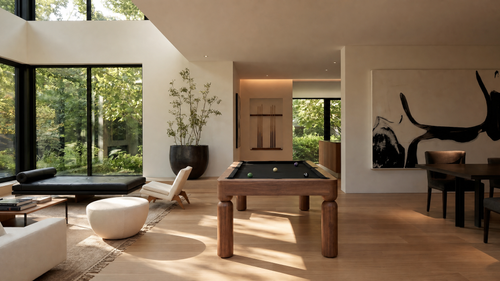
- The Positive Impact: A room featuring a slate-bed table and custom, furniture-grade cabinetry (like a wall-mounted cue rack) reads as a library or a lounge.
To add value, your game room furniture must match the architectural quality of the rest of the house. If you have crown molding and hardwood floors, your cue rack should be solid wood, not plastic.
4. The "Staycation" Effect
Post-2020, the demand for at-home amenities has skyrocketed. Buyers are actively hunting for homes that function as self-contained resorts.
Features that used to be "nice-to-haves"—like home theaters, wine cellars, and billiard rooms—are becoming "expect-to-haves" in luxury listings. A dedicated game room tells the buyer: "You don't need to go out to have fun. You have everything you need right here."
The Verdict
Does a game room increase the literal dollar value per square foot? Not directly. An appraiser values the square footage regardless of what is in it.
However, does a game room increase marketability, buyer interest, and the perceived luxury of the home? Absolutely.
A well-executed game room creates a "wow" factor that differentiates your listing from the empty house down the street. It transforms a spare room into a destination.