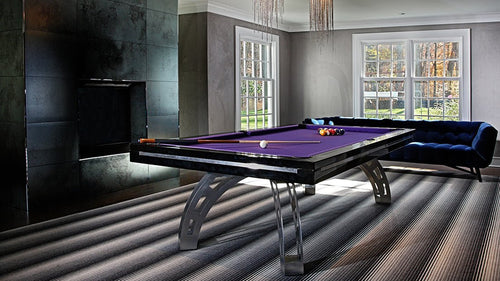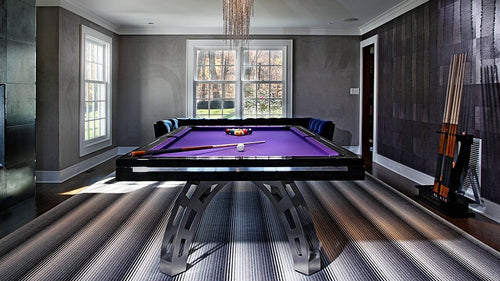


Enjoy our modern designs
Buying Guide
This guide separates the cited ACA specifications from optional casual adaptations, with practical setup checks for the actual boards and site.
01
Official Cornhole Board Distance
- 27 feet apart: Under the cited ACA adult rules, measure the front edges of the boards 27 feet from each other.
- Hole specs: A nominal 6-inch diameter, with the hole’s center 9 inches from the rear/top edge and centered across the board. Check the selected rule set’s tolerances.
Why 27 feet? It is the adult regulation spacing in the cited ACA rules. Consistent spacing lets players practise the same throwing distance.
02
Modified Distances for Casual Play
Not every setting is tournament-ready — smaller lawns, kids’ events or indoor spaces demand flexibility. Use these distances to match skill level and available space:
- 21 feet: An easier house distance for beginners and older youth players (the cited ACA rules page gives 12–15 feet for junior and casual play); keeps games competitive and fun without frustrating long throws.
- 15–25 feet (indoor): Compact ranges for garages, rec rooms or venues with limited space — preserves playability while fitting the room.
- Extended distances (30+ feet): An optional house challenge that requires more throwing range; use it only when the site and players can accommodate it.
Choosing a nonstandard distance is fine — the goal is clear, consistent rules for everyone playing that day.
03
Step-by-Step Setup Guide
- Find a level surface: Uneven ground causes unpredictable bounces — level the area or use shims under the boards.
- Measure accurately: Use a long tape and measure between the front edges of each board (not the centers).
- Align boards: Make sure the holes are centered and the front edges are parallel to each other.
- Stabilize: Deploy and secure the board’s supports as instructed. Do not add improvised clamps or weights that create a trip hazard or alter the playing surface.
04
Practical Tips
For repeatable practice, measure the distance and mark the board positions on a suitable surrounding surface. Recheck after either board moves.
- Refine your toss: Adjust the trajectory and landing to the distance, bag, board and conditions. A longer throw does not require one particular launch angle.
- Mark your field: Use chalk, cones or small markers to save your exact setup for future games or tournaments.
- Board care: Keep the surface clean and dry; check hinges and hardware periodically to maintain a true plane.
05
Fun Game Variations
Simple rule tweaks keep regular sessions interesting and can help tailor games to age or skill:
- Alternate scoring: Award bonus points for near-hole landings (corners or board edges) or consecutive hits.
- Rotating distances: Each round increases or decreases the distance to test different skills.
- Obstacle mode: Add low barriers or cones on the field for trick shots and accuracy drills.
- Team relay: Teams of two alternate throws — great for large gatherings and tournaments.
06
FAQs
Can I reduce the distance?
Yes — for casual play or limited space, shorten the gap to keep games accessible. Just make sure everyone agrees on the distance before you start.
What is the correct board height?
The board is sloped. Under the cited ACA specifications, its rear is approximately 12 inches above the ground (±¼ inch), while the front is 3–4 inches high. Twelve inches is not the height of the entire playing surface.
Does wind affect throws?
Yes. Crosswinds change the bag’s flight; use windbreaks, reposition the boards, or move the game indoors when possible.
07
Conclusion
Accurate setup is the foundation of consistent cornhole play. For official matches use 27 feet between front edges; for casual games, pick a distance that fits your players and space, then keep it consistent. Follow the setup steps and practical tips above to reduce variability and make every session more enjoyable — whether you're tailgating, hosting a backyard party, or running a league night.
08
Sources
References checked October 19, 2026: ACA: board geometry and dimensional tolerances; ACA: 27-foot adult spacing and casual adaptations.