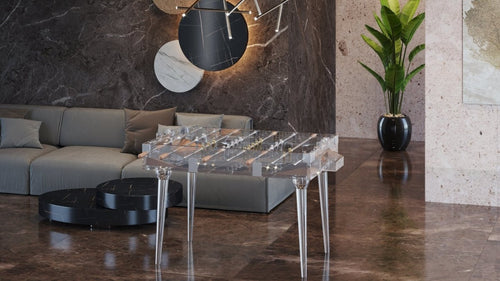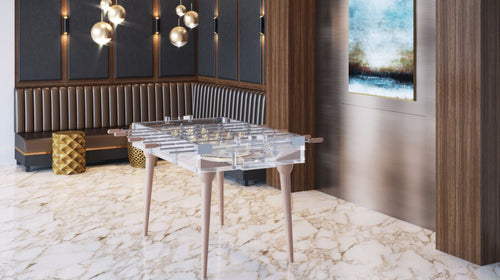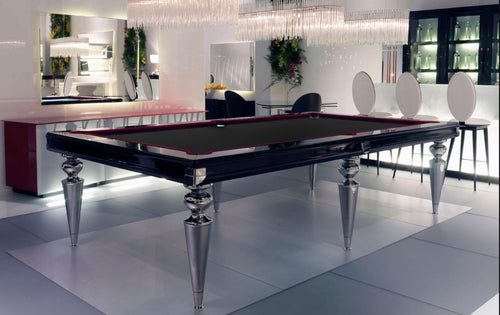


Enjoy our modern designs
A bonus room can either strengthen a luxury home or quietly weaken it. When the space is clearly designed, it gives buyers another reason to want the property. When it feels vague, leftover, or under-furnished, it becomes square footage without identity.
This is especially true in high-end homes. Buyers are not impressed by extra space alone. They want rooms that feel useful, finished, and aligned with the lifestyle the home is promising.
A pool table, game area, lounge, media setup, bar, or entertainment suite can turn a bonus room into a real selling point. But only if the room feels intentional. The goal is not to fill empty space. The goal is to give the room a reason to exist.
Table of Contents
- Give the Room a Clear Identity
- Do Not Let It Feel Like Leftover Space
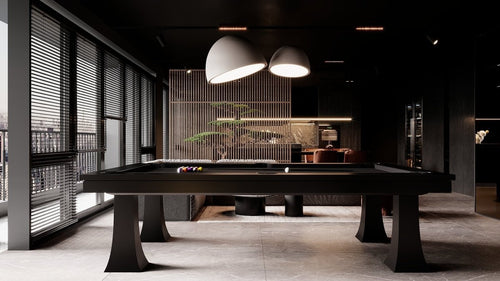
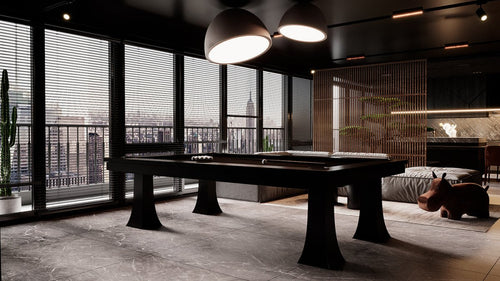
- Use a Pool Table as a Strong Anchor
- Plan the Layout Around Real Use
- Upgrade the Lighting Immediately
- Build in Storage So the Room Stays Clean
- Show Flexibility Without Making the Room Vague
- Help Buyers See Themselves Using It
- The Bottom Line
1. Give the Room a Clear Identity
The most important step is deciding what the bonus room is supposed to be. A vague room rarely sells well. Buyers walk in, look around, and think, “What would I do with this?”
A strong bonus room answers that question immediately. It may become a game room, entertainment lounge, media room, home bar, library lounge, family room, music room, wellness space, or hybrid entertainment suite.
The identity does not need to be complicated. It just needs to be clear. A room with a pool table, proper lighting, seating, and storage is easier to understand than an empty room with a generic sofa and no purpose.
Luxury buyers want possibility, but they also want direction. A well-designed bonus room gives them both.
Designer insight: A bonus room becomes valuable when it stops feeling optional and starts feeling like part of the lifestyle of the home.
2. Do Not Let It Feel Like Leftover Space
Bonus rooms often fail because they feel like leftovers. They may have awkward furniture, poor lighting, unused corners, random decor, or no connection to the rest of the home. Even if the room is large, it does not feel valuable.
In a luxury property, leftover space is a problem. It suggests that the floor plan has more area than purpose. Buyers may begin to question whether they are paying for usable living space or just extra square footage.
The solution is to design the room with the same seriousness as the main living areas. Flooring, lighting, furniture, wall treatments, and storage should all feel considered. The room can be relaxed, but it should not feel forgotten.
A bonus room should never feel like the place where old furniture goes to die.
3. Use a Pool Table as a Strong Anchor
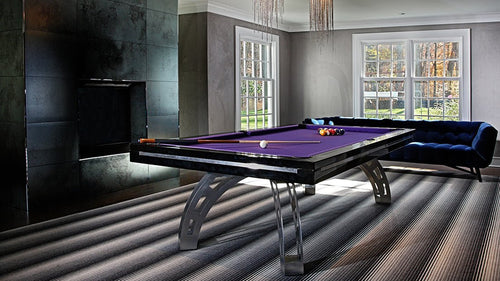
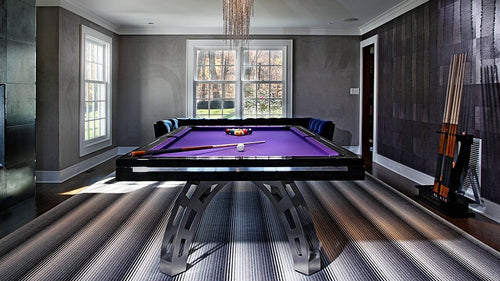
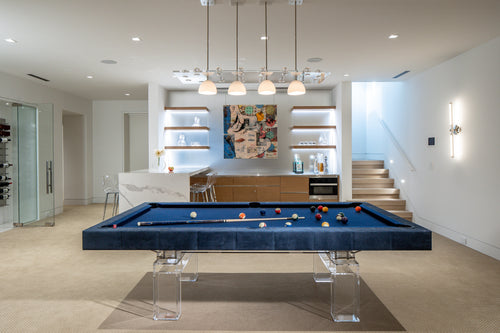
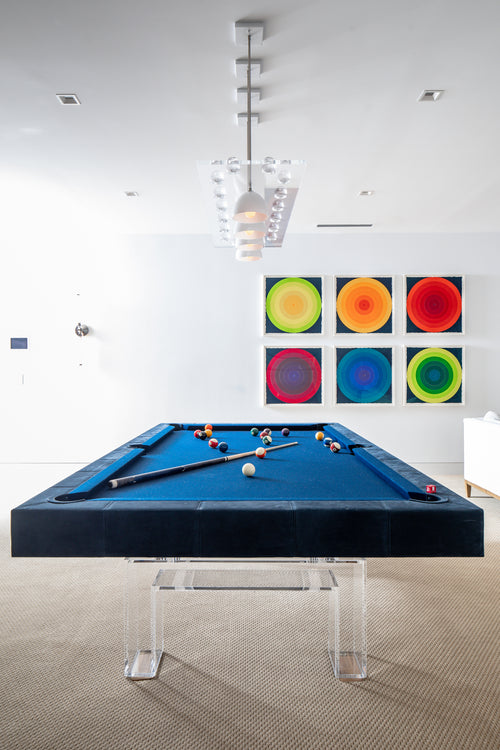
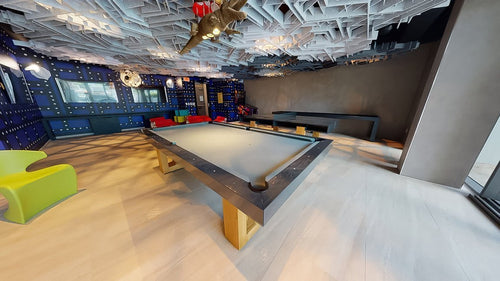
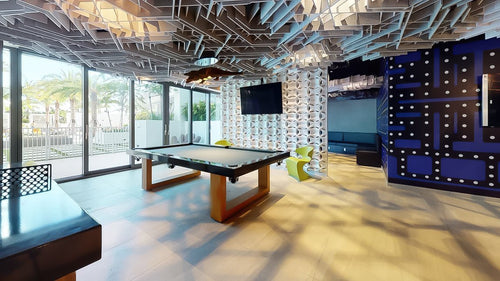
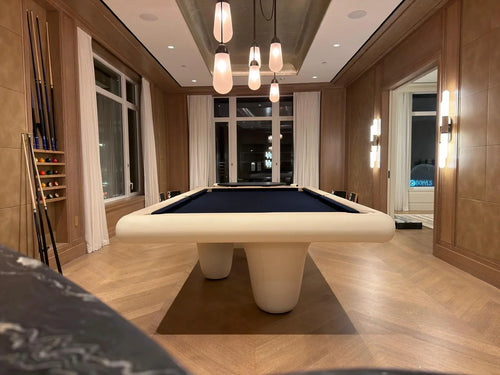
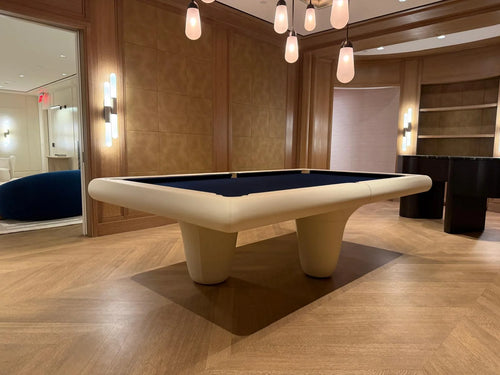
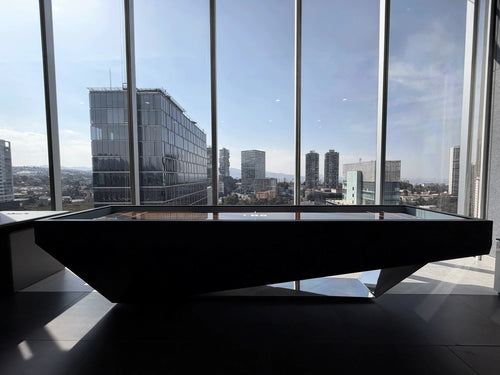
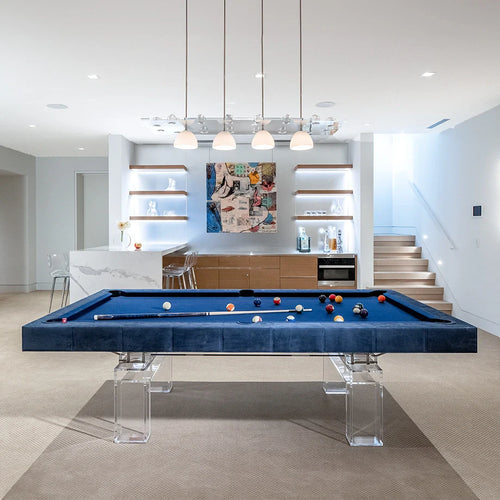
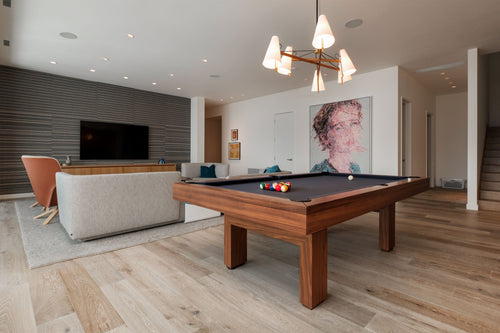
A pool table is one of the strongest ways to give a bonus room immediate identity. It creates a center, adds social function, and helps the room feel like an amenity rather than an empty extra space.
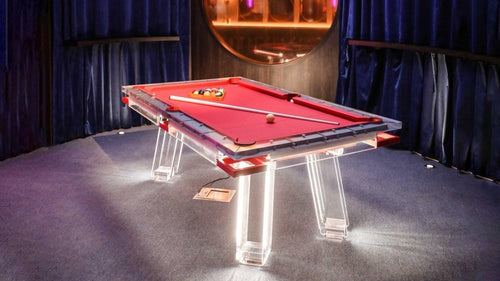
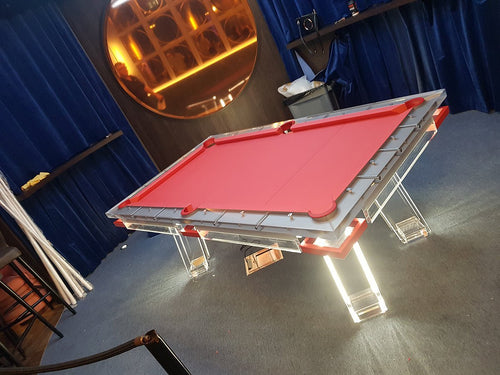
But the table has to be chosen carefully. A generic or cheap-looking table can make the room feel casual in the wrong way. A well-specified table can make the room feel architectural, social, and complete.
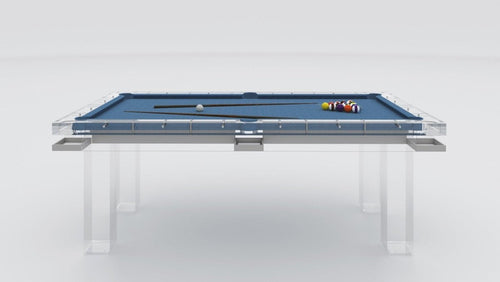
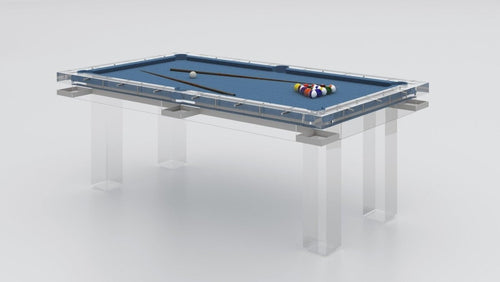
The table should match the scale and mood of the room. It should allow proper clearance. It should relate to the home’s materials. The cloth color, finish, base style, and accessories should all support the design instead of fighting it.
When the pool table is right, the bonus room becomes easy for buyers to understand. They do not have to imagine the room’s purpose. They can feel it.
4. Plan the Layout Around Real Use
A bonus room should not only look good from the doorway. It should work when people actually use it.
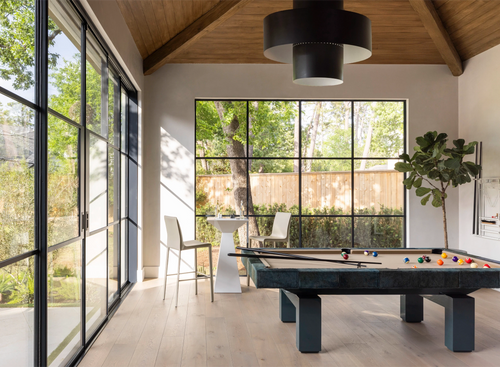
If the room includes a pool table, there must be enough cue clearance. Seating should not crowd the playing area. Drinks should have a place to go. Lighting should support the table and the surrounding lounge. Storage should be close enough to use without becoming visible clutter.
For a media or entertainment setup, sightlines matter. Seating should face the right direction. Speakers, screens, and bars should not fight the pool table or circulation path.
A bonus room becomes a selling point when buyers can immediately understand how the room functions during a normal evening.
Pro tip: Do not stage a bonus room only for the listing photo. Walk the room as if guests are actually there. The layout has to survive real movement.
5. Upgrade the Lighting Immediately
Lighting is one of the fastest ways to turn a bonus room from leftover space into a real feature. Many bonus rooms have weak overhead lighting, awkward recessed cans, or no atmosphere at all.
A game room or entertainment lounge needs layered lighting. The pool table needs proper illumination. Seating needs warmer, softer light. Walls may need sconces or accent lighting. A bar or storage area may need its own lighting. Dimmers can help the room shift between active use and relaxed evenings.
Without good lighting, even expensive furniture can feel flat. With good lighting, the room gains mood and depth.
For luxury sales, lighting is not a detail. It is part of the emotional pitch of the room.
6. Build in Storage So the Room Stays Clean
A bonus room that becomes an entertainment space will need storage. Cues, balls, chalk, remotes, games, blankets, speakers, glassware, chargers, and maintenance tools all need a place.
If storage is not planned, the room will slowly become cluttered. The pool table becomes a surface for random objects. The bar becomes overflow storage. The seating area collects accessories that do not belong anywhere else.
Built-in storage, custom cabinets, concealed cue storage, sideboards, and organized drawers can make the room feel much more expensive. They also help buyers believe the room will be easy to live with.
Luxury is not only about how the room looks when staged. It is about whether the room can stay beautiful during real life.
7. Show Flexibility Without Making the Room Vague
Bonus rooms are valuable because they can support different uses. But flexibility should not mean vagueness.
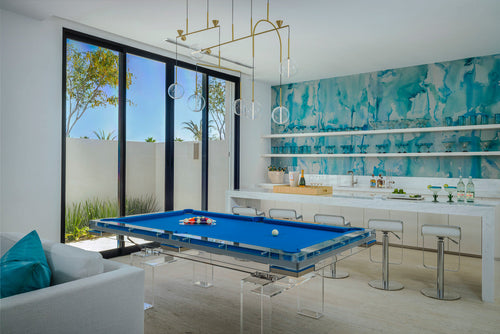
A room can be staged as a game lounge while still suggesting other possibilities. A pool table with a dining top can show entertainment and hosting potential. A lounge area can support watching, reading, or conversation. A bar can make the space feel useful for events without requiring the room to become a full party zone.
The key is to give the room one primary identity and one or two secondary possibilities. Too many possible uses make the room feel unfocused.
Buyers should not leave thinking, “This could be anything.” They should leave thinking, “This is already great, and I can see how it would work for me.”
8. Help Buyers See Themselves Using It
A selling point is not just a feature. It is a vision. The bonus room should help buyers imagine themselves living better in the home.
That may mean hosting friends around the pool table, watching a game with family, having drinks after dinner, giving teenagers their own lounge, entertaining weekend guests, or creating a private club feeling at home.
The room should not require explanation from the agent. It should communicate its value through layout, furniture, lighting, and atmosphere.
When a buyer can picture themselves using the room, the bonus room stops being extra square footage. It becomes part of why the home feels desirable.
The Bottom Line
To turn a bonus room into a real selling point, give it a clear identity, strong layout, proper lighting, quality furniture, and a reason to exist beyond extra space.
A pool table can be one of the best anchors for that transformation, but only when it is specified as part of the room rather than dropped into it. The table, seating, storage, lighting, and materials should all work together.
The best bonus rooms do not feel like bonuses. They feel like one of the reasons the home is worth buying.