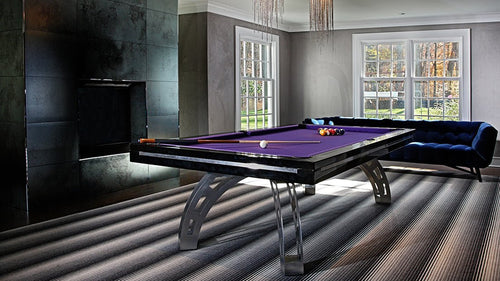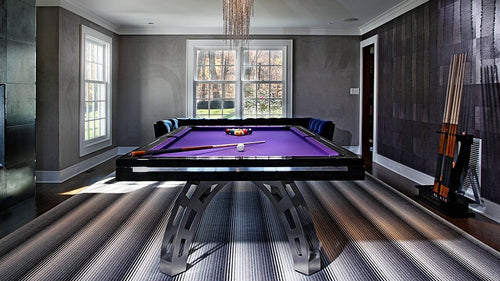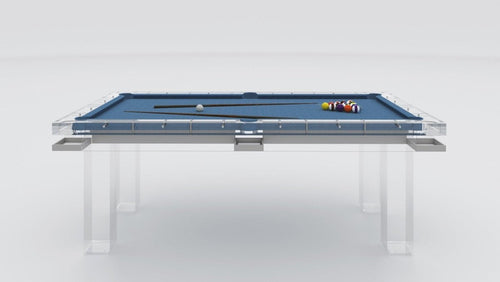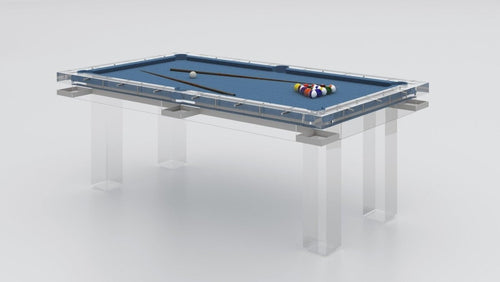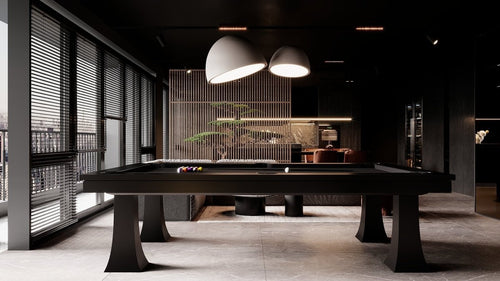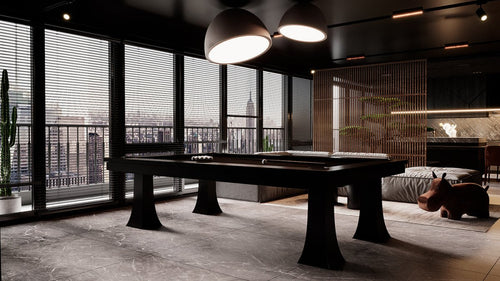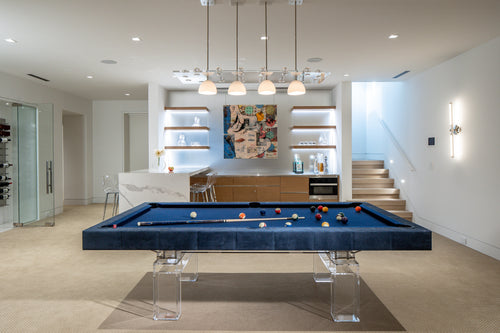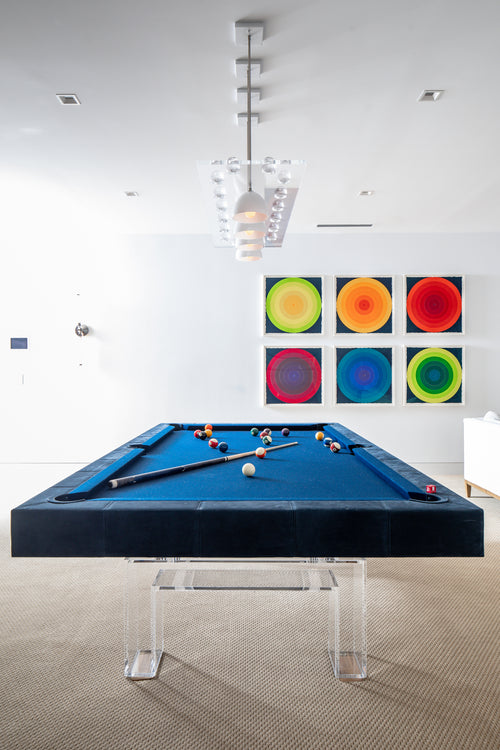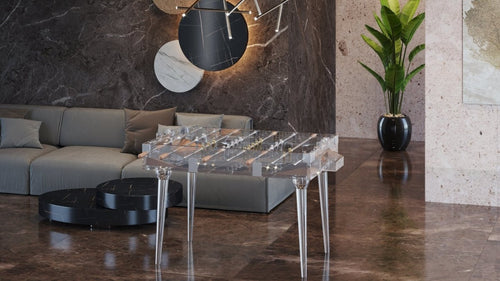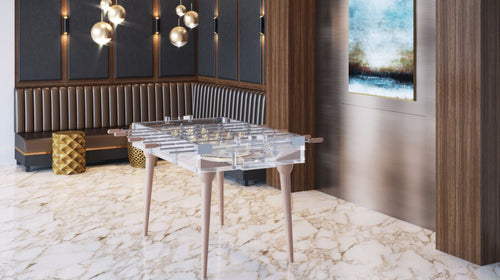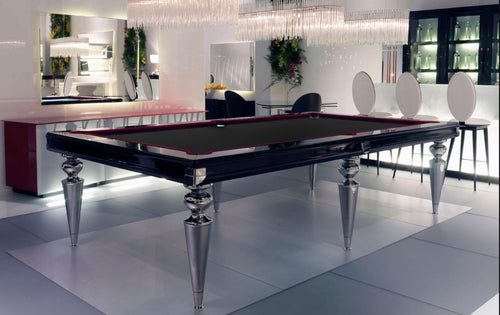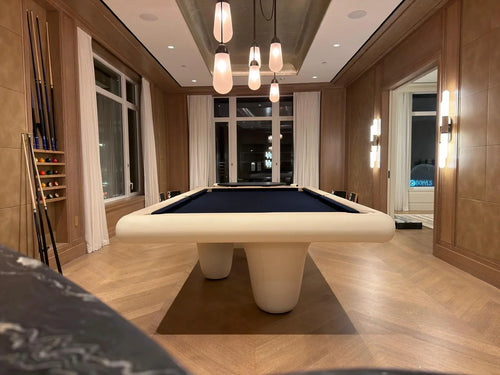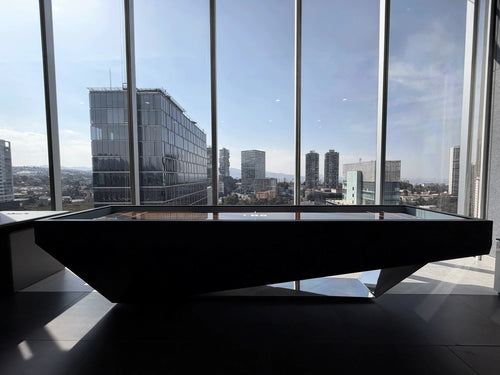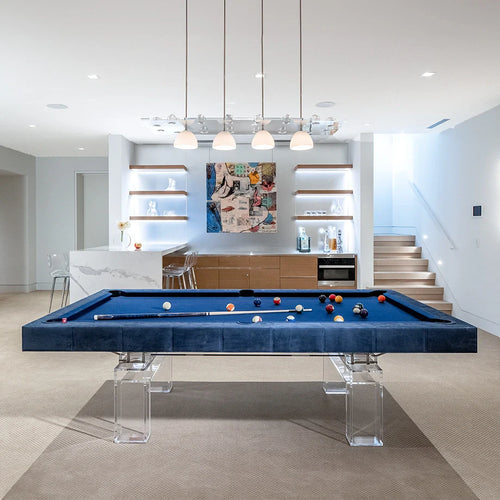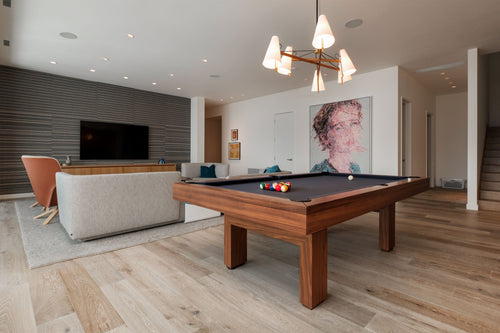


Enjoy our modern designs
How Long Does a Custom Pool Table Take to Build?
A custom pool table is not built on the same timeline as ordinary furniture. It is a precision game table, a large furniture piece, and often a project-specific design element. The build time depends on the table style, material selection, customization level, production schedule, shipping requirements, and installation conditions.
The honest answer is that there is no universal timeline. Some projects move quickly because the design is already defined and the materials are straightforward. Others take longer because the table is being customized around a specific interior, finish palette, or construction schedule.
For homeowners, designers, and builders, the most important thing is not just asking how long the table takes to build. It is understanding what actually affects the timeline.
Table of Contents
- A Custom Pool Table Is Not an Instant-Purchase Item
- Design Approval Comes First
- Material Selection Can Affect the Timeline
- Production Time Depends on Complexity
- Finishing Is One of the Most Important Stages
- Shipping and Delivery Add Their Own Timeline
- Installation Requires Site Readiness
- When Should You Start the Process?
- The Bottom Line
1. A Custom Pool Table Is Not an Instant-Purchase Item
A custom pool table takes time because it is not simply pulled from a warehouse and delivered as a finished box. Even when the design is based on an existing model, the final table may need to be built or finished according to the client’s selections.
That process can include size confirmation, finish selection, cloth color, pocket details, dining top decisions, accessory coordination, and shipping or installation planning. For more involved projects, there may also be custom drawings, finish samples, or design approvals.
The more resolved the project is at the beginning, the smoother the timeline tends to be. Delays usually come from uncertainty, late changes, difficult site conditions, or highly specialized materials.
Project insight: A custom pool table does not usually take longer because people are moving slowly. It takes longer because the table has to be designed, built, finished, moved, and installed correctly.
2. Design Approval Comes First
The timeline begins before production. First, the client and design team need to confirm the main specification. This usually includes the model, size, finish, cloth color, material details, and any custom features.
This stage can be fast when the client knows what they want. It can also take longer when the pool table needs to coordinate with other parts of the room, such as flooring, millwork, wall panels, lighting, metal finishes, or nearby furniture.
For designers, this is where the table should be treated like a serious interior element. The goal is not just to choose a beautiful table. The goal is to make sure the table belongs in the room.
Once the specification is approved, production can be scheduled with much more confidence. Without approval, the project is still in design development, not build mode.
3. Material Selection Can Affect the Timeline
Material choices can have a major impact on how long a custom pool table takes to build. Standard finishes are usually more predictable. Specialty wood, custom lacquer, stone details, metal elements, leather, acrylic, or unique finish matching can require more time.
Some materials may need to be sourced. Others may need samples or approvals before full production begins. A custom stain may need to be reviewed against the room’s existing millwork. A metal detail may need to coordinate with lighting or hardware. A stone element may need additional planning for weight, handling, and fabrication.
These details are often what make the final table feel integrated and expensive. But they should be planned early. Waiting to finalize materials after production has started can cause unnecessary delays.
4. Production Time Depends on Complexity
Once the design is approved, the table moves into production. The build time depends on the structure of the table, the level of customization, the materials, and the existing production schedule.
A table based on an established design with standard options will generally move faster than a table requiring custom dimensions, unique finishes, or modified construction. A dramatic architectural base, specialty material combination, or dining conversion may add time because the table has more components to build, finish, check, and prepare.
Production is not only about making the table look good. It must also play correctly. The frame needs to support the slate properly. The rails, pockets, and playing surface need to perform as expected. A pool table that looks beautiful but plays poorly is not successful.
That is why rushing production is usually a bad trade. The table has to satisfy both design and performance.
5. Finishing Is One of the Most Important Stages
The finish is one of the most visible parts of a luxury pool table, and it can be one of the most time-sensitive stages. Staining, lacquering, polishing, curing, and quality control all require care.
A rushed finish can make an expensive table look ordinary. Uneven sheen, poor color matching, visible imperfections, or weak detailing can undermine the entire project. In luxury interiors, the table is often seen up close, touched frequently, and placed near other premium materials. The finish has to hold up visually.
This is especially true for high-gloss finishes, dark finishes, custom stains, and specialty surfaces. These options can look exceptional, but they are less forgiving. They require disciplined production and careful handling.
Designer note: The finish is not just a color choice. It determines how the table catches light, how formal it feels, and how well it coordinates with the rest of the room.
6. Shipping and Delivery Add Their Own Timeline
After production, the table still has to be packed, shipped, delivered, and prepared for installation. This stage can vary significantly depending on location, table size, site access, and whether the project is domestic or international.
A pool table is not a small parcel. It may involve heavy slate, large finished components, delicate surfaces, and professional handling. Packing and transport need to protect the table from damage before it ever reaches the room.
Delivery conditions also matter. A simple residential delivery is different from a penthouse installation, a remote estate, a hospitality project, or an active construction site. Elevators, stairs, loading areas, access roads, and building rules can all affect the schedule.
For this reason, shipping should not be treated as an afterthought. It is part of the project timeline.
7. Installation Requires Site Readiness
A custom pool table cannot be properly installed if the room is not ready. Flooring should be complete. Major construction should be finished. The installation path should be clear. Lighting, wall finishes, and nearby furniture should be coordinated so the table can be placed correctly.
Installation also involves leveling and assembling the table with precision. The slate must be handled correctly. The cloth must be installed cleanly. The table needs to sit properly in the room, both visually and functionally.
Many delays happen not because the table is late, but because the site is not ready to receive it. This is common in new builds and renovation projects where construction timelines shift.
The best approach is to coordinate the pool table timeline with the broader project schedule, especially if the table is part of a larger interior installation.
8. When Should You Start the Process?
For a custom pool table, earlier is better. Designers and homeowners should begin the conversation as soon as the room layout, design direction, and approximate installation window are known.
Starting early does not mean every detail has to be finalized immediately. It means the right questions can be answered before they become urgent. What size will fit? What style belongs in the room? Will a dining top be needed? Are there access issues? Does the finish need to match another material? Is the project tied to a move-in date, opening date, or event?
When those answers are handled early, the build process becomes cleaner. When they are left until the end, the table may have to be chosen from fewer options or rushed into a room that was not planned around it.
Practical rule: The more custom the table, the earlier it should be specified. Waiting until the end of the project usually reduces options, not complexity.
The Bottom Line
A custom pool table can take weeks or months depending on the design, materials, production schedule, shipping, and installation requirements. The exact timeline depends on the actual table being built and the site where it will be installed.
The smartest move is to begin the process early. Confirm the room size, design direction, materials, and installation needs before the project becomes time-sensitive. A well-planned custom table should not feel rushed into the room. It should feel like it was always meant to be there.
For designers, builders, and homeowners, that is the real value of starting early: more control, fewer compromises, and a better final room.