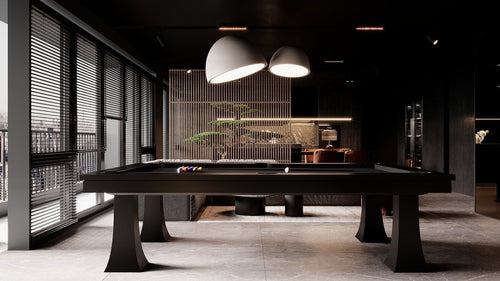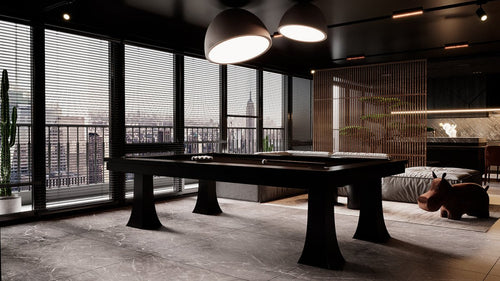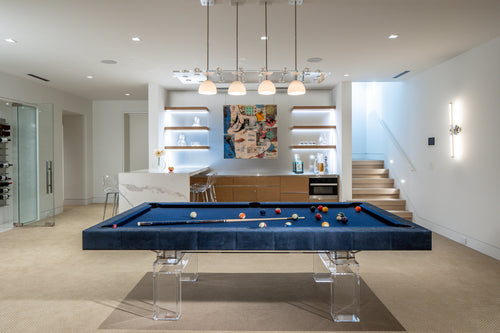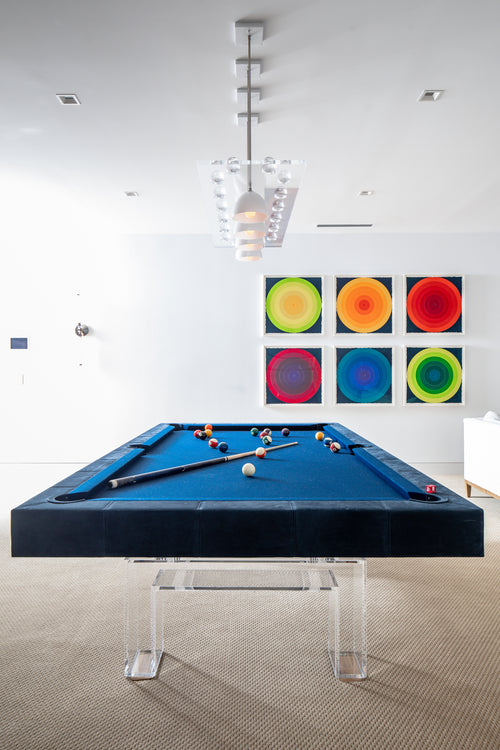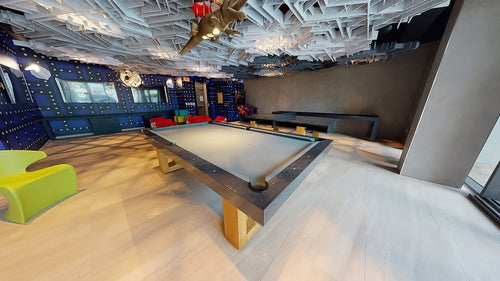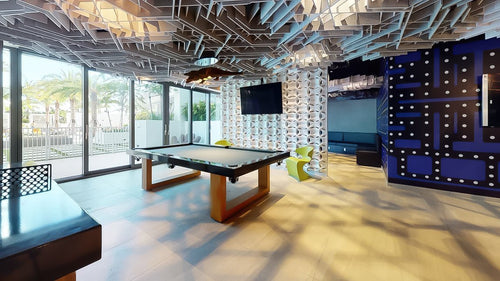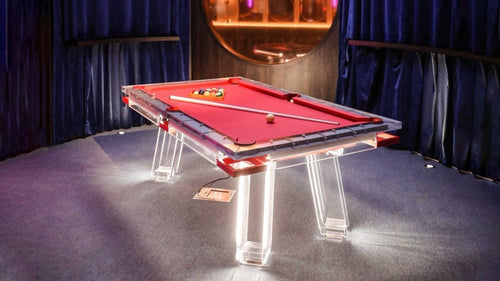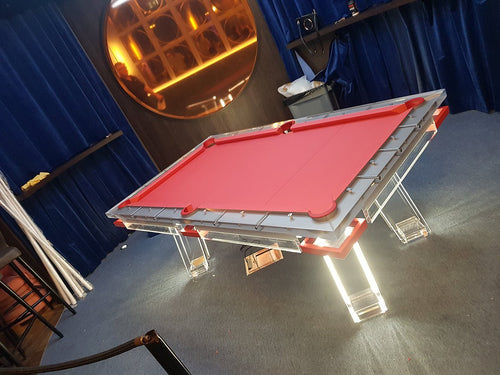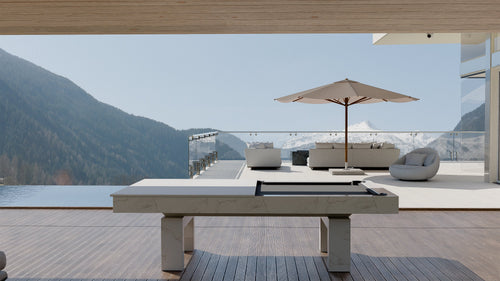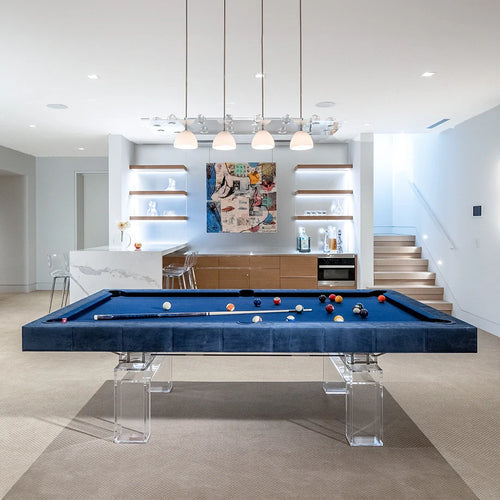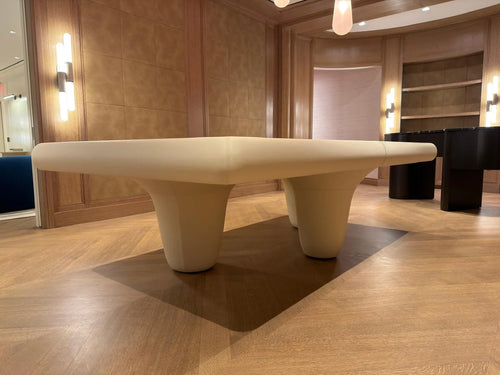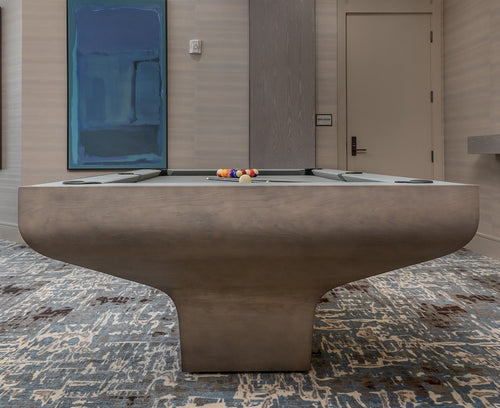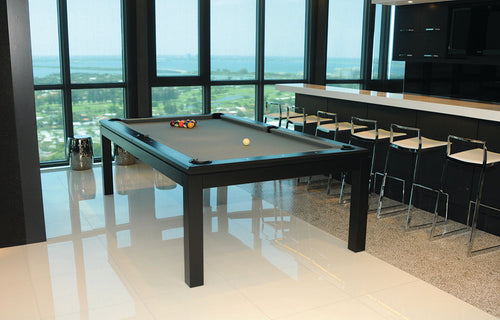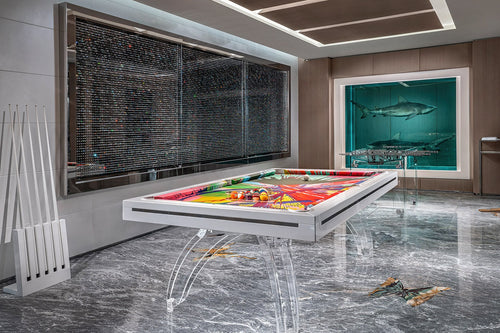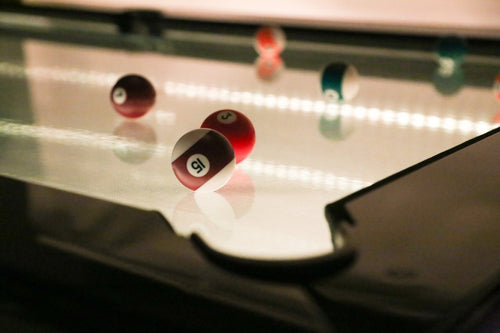


Enjoy our modern designs
Equipment & Technique
The Science
of the Slide
Shuffleboard powder — called wax, sand, cheese, or dust depending on who you ask — is the humble material that makes the whole game possible. Understanding it means understanding how friction, physics, and technique interact on every shot.
It goes by many names — wax, powder, sand, sawdust, and the more affectionate "shuffleboard cheese." Whatever you call it, the fine particulate dusted across a shuffleboard table is not decoration. It is the engineered interface between puck and surface that makes long, controlled slides possible.
Composition
What Shuffleboard
Wax Actually Is
Despite its common name, shuffleboard wax has nothing in common with candle wax or floor polish. Modern shuffleboard powder is an engineered dry particulate — typically a blend of tiny silicone beads and a granular filler such as cornmeal or cornstarch. The beads provide slip; the filler provides drag. The ratio between them determines the powder's speed rating.
Early players made do with fine sawdust, sand, and whatever fine dry material was available. The shift to silicone bead blends was a meaningful upgrade: unlike natural particles, round engineered beads behave consistently, wear predictably, and can be tuned to specific performance targets in ways that sawdust simply cannot.
Why "Wax" at All?
The term is historical. Early players in Britain used actual wax compounds on indoor stone or slate boards — smoothing the surface much as floor wax smooths wood. When the powder era arrived, the name stayed while the material changed completely. Today's "wax" is to candle wax what modern "lead" pencils are to lead — a name that survived the thing it described.
How It Works
Microscopic Ball
Bearings
The mechanism is elegant. When a puck slides across a waxed surface, it is not gliding on the table at all — it is riding on thousands of tiny beads, each one acting as a microscopic roller. That rolling contact replaces the sliding friction that would otherwise bring the puck to a rapid stop.
10–20×
Farther on waxed vs. unwaxed
The distance difference between a powdered and bare surface is not incremental — it is the entire game.
1,000s
Rolling contact points per puck
Each bead under the puck converts sliding friction into rolling friction — dramatically reducing energy loss.
0
Abrasive contact with surface
The powder layer buffers the puck from direct wood contact, protecting finish and preserving the table.
The filler component — cornmeal, ground shell, or similar — exists to temper this effect. Without it, pucks on a pure silicone surface would be nearly uncontrollable on longer tables. The filler introduces measured resistance, so the glide is fast but aimable. Skill — not luck or raw force — decides where the puck ends up.
Powder doesn't just make the puck slide. It makes the puck slide in a way that skill can shape. That distinction is the whole game.— On the role of engineered friction in competitive play
The Stakes
Why Wax
Matters
Powder is not optional maintenance — it is foundational to playability, fairness, and table longevity. Getting it wrong affects every aspect of the game simultaneously.
Function 01
Playability
Without powder, pucks stop within feet of release. The scoring zones become unreachable at anything resembling normal force. The game ceases to function as designed.
Bottom Line
Powder is not an enhancement. It is the operating condition the game requires.
Function 02
Consistency
Correct, even application makes shots repeatable. Players can develop and apply real technique. Inconsistent powder introduces randomness that punishes skill and rewards luck.
Bottom Line
Uniform powder is what separates a game of skill from a game of chance.
Function 03
Table Protection
The powder layer acts as a sacrificial buffer between puck and finish. Without it, repeated puck contact gradually abrades the lacquer, dulls the surface, and accelerates expensive refinishing cycles.
Bottom Line
Maintaining powder is cheaper than refinishing wood.
Function 04
Tuning
Different tables, different environments, and different player skill levels benefit from different powder characteristics. The right choice can make a beginner-friendly table or a fast tournament surface from the same piece of wood.
Bottom Line
Powder selection is a hosting decision, not just a maintenance task.
Choosing the Right Powder
Speed Ratings
& When to Use Them
Most powder brands use a numbered or color-coded speed system. The numbers are not standardized across manufacturers, but the logic is consistent: lower numbers or labels like "fast" indicate a higher silicone bead ratio and less filler drag. Higher numbers or "slow" labels indicate more filler and greater resistance.
| Speed | Composition | Best For | Risk if Misapplied |
|---|---|---|---|
| Fast Speed #1 | High silicone bead ratio, minimal filler | Long tournament tables (16–22 ft), experienced players | Pucks fly off shorter tables; beginners lose all control |
| Medium Speed #2–3 | Balanced bead-to-filler ratio | Standard home or club tables, mixed skill groups | Slight undershooting on very long tables; slight overshooting on short ones |
| Slow Speed #4+ | High filler content, reduced bead ratio | Short tables (9–12 ft), beginners, bar or family settings | Pucks stall before reaching scoring zones on longer tables |
Environmental conditions complicate the choice. High humidity causes powder to clump and behave slower than its rating suggests — a medium powder on a humid day may play like a slow one. Operators in variable climates often keep two speeds on hand and adjust based on conditions.
Technique
Application:
What the Pros Do
-
Clean the Surface First
Remove old powder, grit, and dust before applying fresh material. Applying new powder over dirty residue creates uneven friction zones that undermine consistency. A clean, dry surface is the baseline.
-
Optional Silicone Mist
Some competitive venues apply a light, even silicone spray before dusting. The mist helps powder settle uniformly and reduces clumping in humid conditions. This step is optional but worthwhile in demanding environments.
Tournament venues often standardize this step for lane consistency across all courts. -
Apply a Thin, Even Coat
Sprinkle powder in a fine, uniform veil across the playing surface. You should see a light dusting — not piles, ridges, or bare patches. A sifter or purpose-built shaker produces more consistent results than pouring directly from the container.
-
Spread and Level if Needed
Use a light brush or the side of a puck to smooth any uneven distribution. The goal is a surface that behaves identically from one end to the other. Ridges and clumps create dead zones.
-
Maintain During Play
Pucks push powder into gutters over time. Monitor the surface and re-dust or brush periodically as lanes develop. The cadence depends on play volume — competitive settings may require attention every few games.
Less is more. Excess powder accumulates in gutters and creates an inconsistent playing field faster than insufficient powder does.
Problem Solving
Troubleshooting
Common Issues
Most powder problems are diagnosable by watching how pucks behave. The symptoms point directly to the cause — and most fixes take under two minutes.
Problem 01
Pucks Fly Off the End
Powder is too fast for the table length, or applied too heavily — both reduce effective drag below what the table geometry demands.
Fix
Switch to a slower speed rating, or reduce application volume. A thinner coat increases effective resistance.
Problem 02
Pucks Stop Short or Grab
Insufficient powder, dirty surface, or high humidity causing clumping. The bead layer is too thin or contaminated to function properly.
Fix
Clean the surface, re-dust with appropriate speed, and check environmental conditions. In high humidity, step up one speed rating.
Problem 03
Uneven Lanes
Powder distributed unevenly at application, or tracking pushed to one side during play. Pucks behave differently across the width of the table.
Fix
Brush and redistribute. If the problem recurs immediately, the surface itself may have a level issue worth investigating.
Problem 04
Sticky Surface Despite Fresh Powder
Old, contaminated powder has built up in the surface grain over time. Residue mixes with grime and defeats fresh powder applied on top of it.
Fix
Strip completely, clean with a recommended table product, inspect and condition the finish, then reapply powder fresh.
For Tournament Hosts
Standardize one powder brand and speed rating for competitive events. Variation between courts — even from the same manufacturer's different production runs — can subtly affect play. Brief volunteer training on re-dusting cadence and gutter maintenance pays off in lane consistency across a full event day.
Store powder with sealed containers in a dry location. Moisture pickup in an open container will degrade performance before the material is ever applied to a table.
// Conclusion
Shuffleboard powder is humble but irreplaceable. Engineered bead blends make long slides possible, preserve the table finish, and give skill a surface it can actually work with. Treat waxing as both science and craft — choose the right speed, apply it evenly, and maintain it through play — and the table will reward every shot with the glide the game was built around.