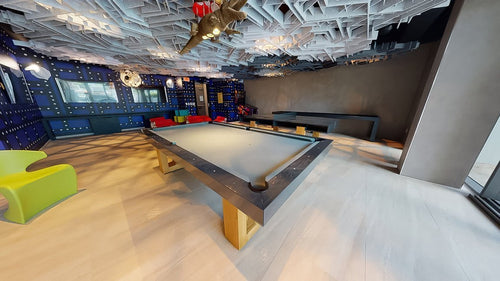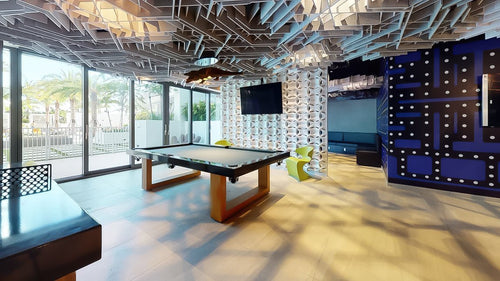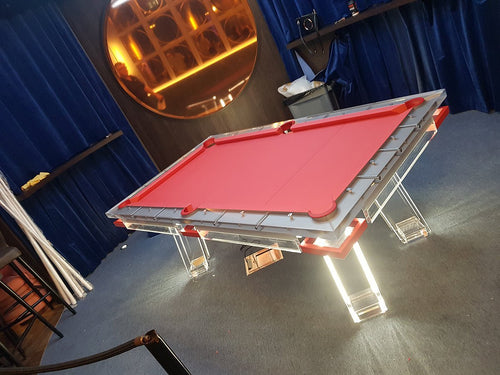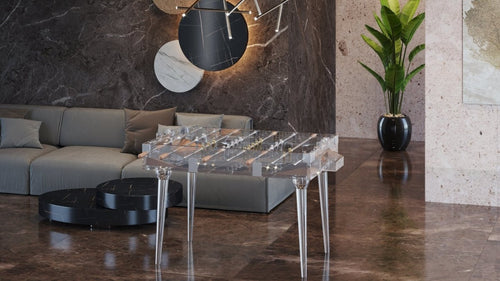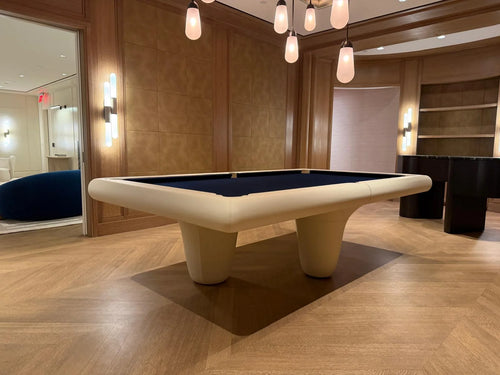


Enjoy our modern designs
Estimated Read Time: 5 mins |
Interior design offers career paths across residential, commercial and related creative work. The opportunities available depend on location, qualifications, specialisation and changing client needs.
1. Industry Overview & Career Growth
Interior-design opportunities vary by country, region, sector and economic conditions. The U.S. Bureau of Labor Statistics provides a national outlook and links to regional employment data; that should not be treated as evidence of uninterrupted global luxury-market growth. Specialisation, technical skills and business experience can support several career paths.
2. Career Categories
2.1 Residential Design
Residential designers focus on homes, apartments, model homes, assisted living communities, and developer showcases. Their work prioritizes safety, functionality, aesthetics, and technology integration, including HVAC systems, home automation, and security.
- Child-safe environments
- Accessibility for aging or disabled occupants
- Kitchen and bathroom design
- Furniture and custom furnishings
- Color consultancy
2.2 Contract (Commercial) Design
Contract design covers public and commercial spaces like retail outlets, restaurants, hotels, healthcare, educational institutions, and entertainment venues. It's highly competitive, attracting many new graduates due to varied project scopes and substantial budgets.
- Hospitality (hotels, clubs, resorts)
- Retail spaces and boutiques
- Healthcare environments
- Entertainment and cultural venues
- Government and institutional facilities
3. Diversification & Para-Design Roles
Today's interior designers often cross into related creative and technical fields—furniture design, product development, fashion, VR environments, set design, facilities management, lighting design, and immersive digital experiences. Flexible skill sets adapt easily to emerging opportunities in technology‑driven markets.
4. Qualifications & Licensing
Distinguish education, certification, membership and legal authorisation. CIDA accredits educational programmes; NCIDQ is an individual professional certification; ASID is a professional association with membership categories. None of those descriptions alone establishes that someone holds a government-issued licence. Regulation, permitted practice and protected titles vary by jurisdiction; check the responsible regulator and any local requirements.
5. Finding Employment & Career Advancement
Landing a rewarding role often begins early—networking with professors, alumni, and ASID or IIDA. Aligning with firms that share your specialization accelerates growth. An impactful portfolio showcasing conceptual strength, creativity, and technical proficiency is vital.
6. Skills Across Disciplines
Interdisciplinary collaboration, concept development and coordination with architecture and engineering are useful career skills. Learn how the designer’s scope connects with consultants, manufacturers and contractors on a real project.
7. Contract Design: High Stakes, High Rewards
Contract projects can involve substantial budgets, demanding client expectations, and rigorous project management across programming, conceptual design, development, documentation, and administration. Designers navigate detailed contracts and coordination to deliver successful outcomes and mitigate risks.
8. Future Trends & Career Implications
- Distinct Professional Identity: Separating interior design from architecture with clear ethics and values.
- Sustainability: Eco‑friendly materials, green certification, reduced carbon footprints.
- Technology Integration: BIM, VR, smart systems, and digital visualization as standard tools.
- Inclusive & Aging‑Friendly Design: Universal design principles for accessibility.
- Globalization & Cultural Sensitivity: Balancing global brands with local nuances.
- Specialization vs. Generalization: Niche expertise vs. versatility in smaller firms.
- Professional Risk Management: Thorough documentation, liability insurance, clear scopes.
- Continuous Learning: Micro‑credentials, specialized courses, postgraduate research.
Key Takeaway
A thriving interior design career demands education, credentials, networking, and adaptive skills. Embracing continuous learning, technology, sustainability, and cultural responsiveness will distinguish successful professionals in a rapidly evolving global marketplace.
Sources
References checked October 19, 2026: CIDQ: licensing authorities make licensure decisions, not CIDQ; CIDA: accreditation of postsecondary interior-design programmes; ASID: professional association membership categories; U.S. Bureau of Labor Statistics: scope of occupational and regional outlook data.