

Enjoy our modern designs
Estimated Read Time: 6 mins | Updated:
In the world of luxury billiards, every detail is a statement. From exotic hardwood rails to polished Lucite legs, clients expect craft at the highest level. One of the most debated features? Hand-stitched leather pockets. Are they an essential mark of artisanal excellence—or an indulgence with limited functional return?
Table of Contents
1. The Case for Craft
- Tradition: Leather has long been the material of choice for pool table pockets, valued for its strength and supple wear. Hand-stitching keeps this heritage alive, connecting modern tables to centuries of craftsmanship.
- Visual Depth: Stitching is a visible detail that signals handwork. On minimalist tables, those seams can read as subtle artistry—a reminder that the piece was made, not manufactured.
- Tactile Luxury: Hand-stitched leather pockets feel substantial and natural. Each catch of the ball is softened by organic texture, an experience machine-cut synthetics can’t replicate.
- Longevity: Quality leather, stitched and waxed properly, can last decades—aging gracefully instead of fraying or cracking.
2. The Case for Overkill
- Cost vs. Utility: Stitching adds hours of labor. For some buyers, that extra premium doesn’t translate into meaningful performance.
- Durability Concerns: Hand-stitching introduces seams—potential weak points compared to molded or riveted alternatives. Poorly done, they can loosen over time.
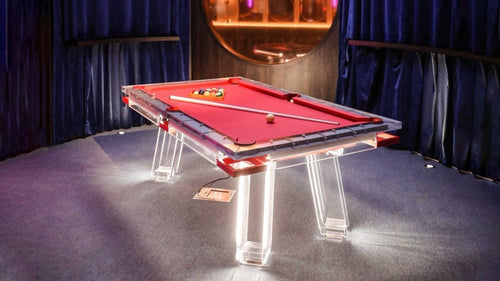
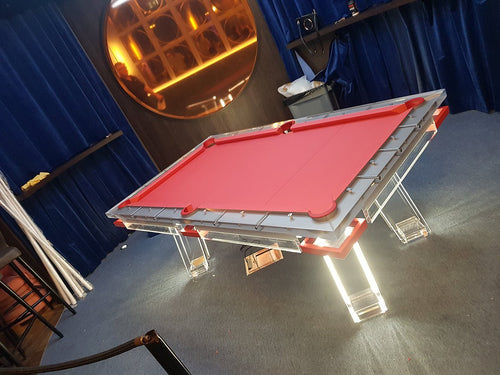
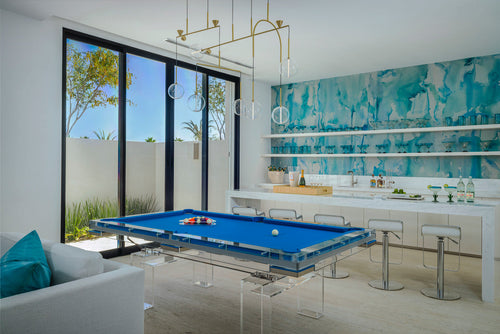
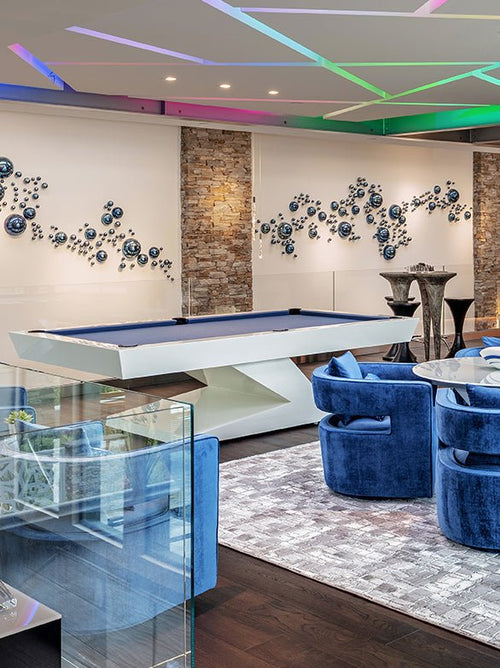
- Design Clash: On ultra-minimalist acrylic or lacquered tables, visible stitching can look ornamental, even out of place. Clean, seamless pockets often suit the aesthetic better.
- Alternatives: Kydex, molded leather, or synthetic pockets offer similar durability with less maintenance—ideal for high-traffic settings.
3. Where They Shine
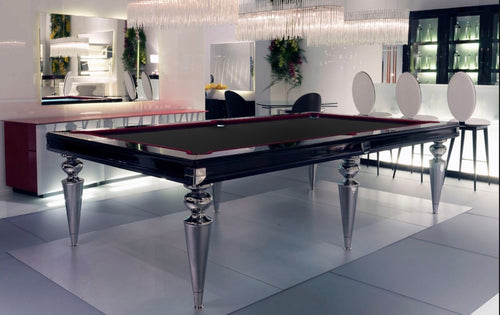
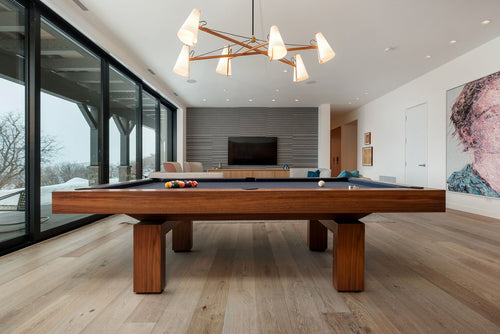
- Statement Tables: High-end walnut or bespoke Art Deco tables benefit from stitched pockets as a finishing detail reinforcing craftsmanship.
- Collectors & Purists: For those who value “old-world” methods, stitched leather isn’t negotiable—it’s proof of authenticity.
- Luxury Interiors: Designs built around texture—stone, wood, leather—integrate stitched pockets seamlessly into the visual language.
4. When to Skip
- Ultra-Modern Designs: Acrylic and steel frames often look better with seamless, molded pocket treatments.
- Heavy Commercial Use: Hotels, bars, and clubs need maximum durability—stitched leather may not withstand high volume without upkeep.
- Budget-Conscious Buyers: If funds are better invested in premium slate or cloth, stitched pockets can wait.
5. Conclusion
Hand-stitched leather pockets sit at the crossroads of tradition and luxury. On the right table, they’re a refined statement—proof of artistry and exclusivity. On others, they’re unnecessary ornamentation. The decision ultimately depends on intent: is the table a statement of craft or a paragon of performance? Both paths are valid—choose the one that fits your design philosophy.
Upgrade Your Game
Discover handcrafted pocket options in genuine leather, Kydex, and modern molded finishes—designed to complement every table style.
Explore PocketsHave a custom project? Contact us to discuss bespoke pocket materials and finishes.