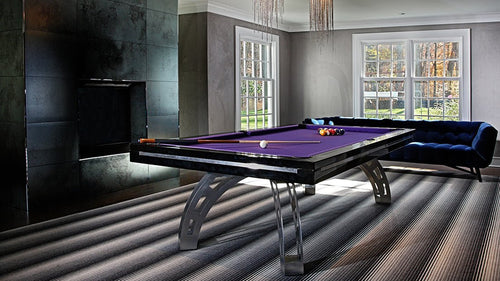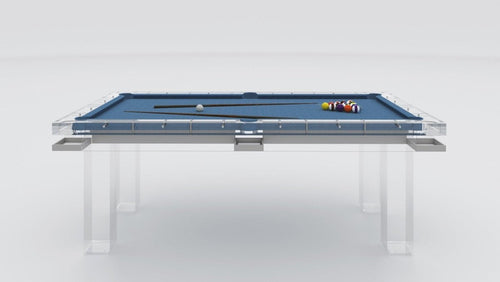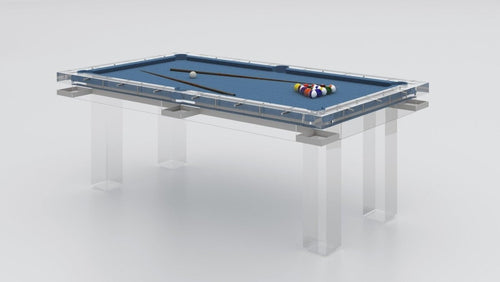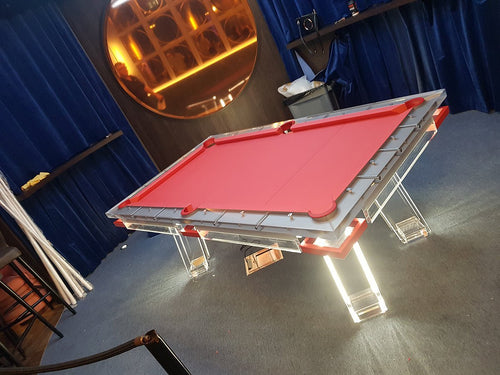


Enjoy our modern designs
Grip, moisture control, feedback, and style all change depending on what your cue wrap is made from.
An uncomfortable or slipping grip can make cue delivery harder to control. Choose the handle by trying it in play, alongside the other features of the cue.
The "wrap" is the section of the cue butt where your grip hand rests. It serves two purposes: grip and moisture management. But beyond function, it is also a major stylistic choice.
When customizing a cue, players are often torn between the "Big Three": traditional Irish Linen, luxurious Leather, or sleek Wrapless construction. Here is how to choose the right feel for your game.
Table of Contents
1. Irish Linen: The Performance Standard
Irish linen is an established wrap option. Its suitability depends on how it feels in your grip hand, not an assumed market share or a universal professional preference.
The Material: It is made from flax fibers spun into a tight thread, then wrapped tightly around the handle and pressed.
The Feel:
- Texture: It feels like a tightly woven fabric — slightly textured but smooth.
- Feel in use: Try the finished wrap during play; pressing and surface condition can change its feel.
The Pros:
- Moisture: Linen can absorb moisture from the grip hand. McDermott’s wrap-care guidance describes that function and recommends rewrapping after extended use to restore a clean, absorbent surface.
- Serviceability: A linen wrap can be renewed when worn or soiled; it is not immune to wear.
The Cons:
- The Look: It can look a bit standard. While you can get speckled patterns, like white with green specks, it lacks the exotic flair of leather or wood.
Consider it if: You like a fabric texture and want an absorbent grip surface.
2. Leather: The Luxury Choice
Leather can give a cue a distinctive appearance and grip texture. It is a design option, not proof that a cue was custom made.
The Material: This can range from smooth calfskin to exotic textures like lizard, snake, elephant, or stacked leather, where layers of leather are compressed and polished.
The Feel:
- Texture: Smooth and embossed leather feel different. Compare the actual finished wrap in your hand rather than assuming that a texture guarantees traction.
- Feel in use: Evaluate the wrap with your normal grip pressure during a few practice shots.
The Pros:
- Grip preference: Some players prefer the feel of leather. There is no single highest-friction wrap for every finish, hand, and playing condition.
- Aesthetics: Nothing beats the look of a black lizard wrap on an ebony cue. It screams luxury.
- Comfort: Leather thickness and finish affect how the handle feels; compare samples rather than assuming every leather wrap is softer than every alternative.
The Cons:
- Moisture: Test the actual wrap when your hands are warm or damp. Leather finish and texture vary, so dry-hand suitability is not a universal rule.
- Maintenance: Follow the cue maker’s instructions. McDermott advises a slightly damp cotton cloth followed by immediate drying for its leather wraps; avoid spraying products onto the wrap.
Consider it if: You enjoy the specific leather texture and appearance after trying it in play.
3. Wrapless: The Purist's Choice
A wrapless handle leaves the wood or other handle material visible. It can be an attractive choice when the grain is part of the cue’s design.
The Material: The exposed handle and its finish, which should be confirmed for the particular cue; wrapless does not necessarily mean one specific high-gloss coating.
The Feel:
- Texture: Depends on the handle finish. Test the actual cue.
- Feedback: Some players prefer the feel of an unwrapped handle. Wrap choice alone does not tell you exactly what the cue ball is doing or determine the cue’s overall feedback.
The Pros:
- The Look: Uninterrupted beauty. If you paid for a piece of exhibition-grade wood, a wrapless handle lets you see the grain from top to bottom.
- Cleaning: Follow the maker’s care instructions for the handle finish. Do not assume a cleaner suitable for one cue is suitable for another.
The Cons:
- Grip in use: A smooth finish may feel slippery to some players and secure to others. Try it under your usual conditions. A glove worn on the bridge hand addresses shaft friction, not grip-hand contact with the handle.
Consider it if: You like the actual handle finish and want to keep the wood grain visible.
The Verdict: The "Sweat Test"
How do you decide? It usually comes down to your physiology.
-
Do your hands sweat when you play?
- Yes: Try an absorbent linen wrap and compare other handles with your own grip. There is no need to exclude an entire material category without testing it.
- No: Compare comfort, control, and appearance across the available handles.
-
What feedback do you want?
- Comfort: Try several finishes and textures with your normal grip pressure.
- Feedback: Compare complete cues in play; the handle material is only one variable.
- Maintenance: Choose a surface whose care requirements suit how you use and store the cue.
The wrap or exposed handle contacts your grip hand, while the shaft travels through your bridge hand. Choose a handle that feels comfortable and controllable to you, and keep it in the condition recommended by its maker.