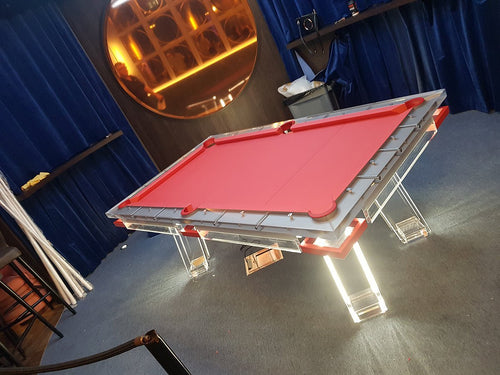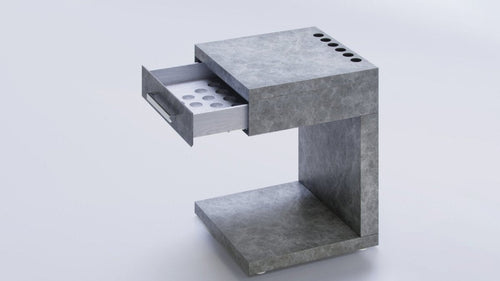


Enjoy our modern designs
Receiving is the moment when freight condition, product condition, and responsibility can become difficult to separate. A careful inspection protects the owner’s ability to document damage, missing packages, and mishandling.
The process should begin before the crate is moved or opened. Once the shipment leaves the delivery point without a clear record, proving when damage occurred can become harder.
In this guide:
1. Prepare Before Arrival
Designate a receiver with the purchase order, packing list, supplier contact, carrier information, camera, inspection forms, and claim instructions.
Confirm the unloading area, equipment, labor, floor protection, and staging location. Know whether the carrier is providing curbside, dock, lift-gate, or inside delivery.
2. Confirm the Package Count
Compare the number of crates, pallets, and cartons with the shipping documents. Confirm the project, consignee, identification numbers, and labels.
- Correct project and address
- Expected package count
- Package identification numbers
- Security seals or indicators
- Orientation and handling labels
- Packages listed but not delivered
3. Inspect the Packaging
Walk around every package before unloading or signing. Look for punctures, crushed corners, broken boards, missing fasteners, torn wrapping, water marks, shifted loads, or evidence that a crate tipped.
- Cracks, dents, holes, or compression
- Forklift punctures and scraped lower edges
- Broken skids, straps, or blocking
- Moisture or outdoor exposure
- Activated shock or tilt indicators
- Evidence of repackaging
Photograph all sides, labels, indicators, damage, the truck, and the overall arrival condition before moving anything.
Design note: Photographs taken after unloading may not establish the condition in which the carrier delivered the shipment.
4. Record Exceptions Before Signing
If damage, shortage, or packaging failure is visible, describe it specifically on the delivery record before signing. Identify the affected package and location.
Retain a copy or photograph of the completed record. If damage is severe, contact the supplier or responsible logistics party before refusing or accepting the shipment when practical.
5. Open and Inventory the Shipment
Move the shipment to a clean, secure inspection area and open it carefully. Photograph unpacking and preserve all packaging until the contents have been inspected.
- Base, legs, frame, and supports
- Slate sections and related components
- Rails, cushions, pockets, and liners
- Cloth and installation materials
- Fasteners, hardware, and leveling parts
- Balls, cues, racks, cover, and accessories
- Installation and warranty documents
6. Inspect Components and Finishes
Look for dents, cracks, abrasions, chipped edges, bent metal, moisture, broken pockets, missing hardware, or finish variation outside the approved range.
Slate requires careful handling. A qualified installer should evaluate questionable cracks, chips, edge damage, or flatness concerns.
7. Report and Preserve Evidence
Notify the supplier, carrier, insurer, and responsible project parties according to the shipping terms. Provide delivery records, photographs, package numbers, and descriptions.
Keep damaged components, packaging, blocking, labels, and indicators until instructed otherwise. Do not authorize repair or disposal if it could interfere with a claim.
Design note: Receiving inspection documents arrival condition. Final acceptance should occur after installation and performance testing.
The Bottom Line
Inspect packaging before signing, count every package, record specific exceptions, photograph the arrival condition, and inventory the contents promptly.