

Enjoy our modern designs
The basement game room look is easy to recognize. Dark corners, oversized furniture, novelty signs, exposed cue racks, sports memorabilia, harsh lighting, a bar that feels disconnected from the rest of the home, and a pool table that looks more like equipment than furniture.
There is nothing wrong with a casual game room. But in a luxury home, the old basement look often feels out of place. The rest of the home may be carefully designed, but the game room suddenly feels like a separate category. Less architecture. Less restraint. Less sophistication.
A luxury pool room should not feel like the house gave up once it reached the entertainment area. It should feel like a natural extension of the home’s design language.
Table of Contents
1. Why the Basement Game Room Look Happens
The basement game room look usually happens when the room is designed around activity instead of atmosphere. The thinking is simple: pool table, bar, television, stools, signs, maybe a neon light, maybe some sports memorabilia. Everything is technically appropriate, but the result often feels predictable.
The problem is not the presence of games. The problem is that the room becomes themed. It stops behaving like part of a luxury home and starts behaving like a private sports bar.
This is especially noticeable when the rest of the home is refined. If the main living areas use beautiful stone, custom millwork, thoughtful lighting, and restrained furniture, the game room should not suddenly switch into pub mode.
Designer insight: The fastest way to make a luxury game room feel cheap is to decorate it like everyone already knows it is a game room.
2. Treat the Pool Table as Furniture
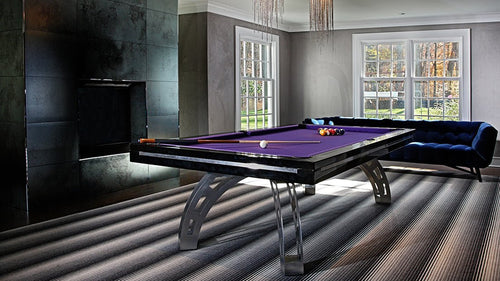
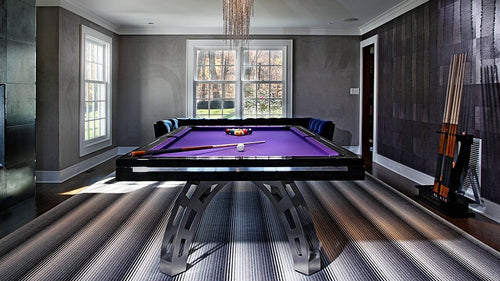
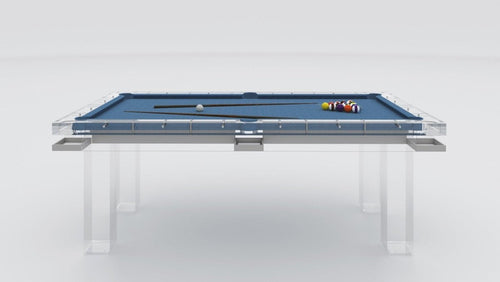
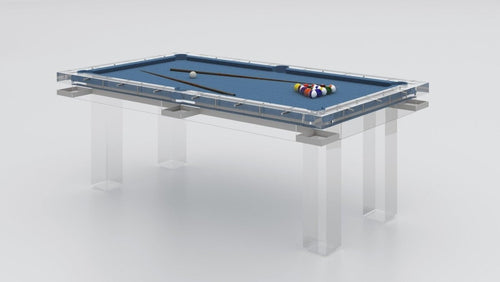
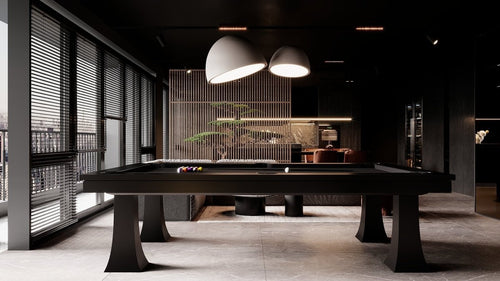
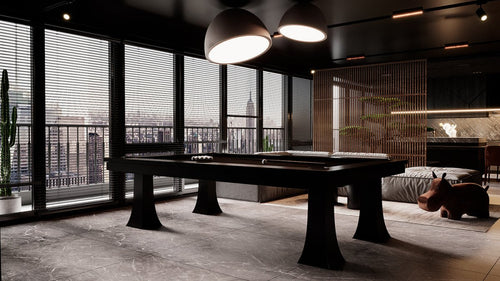
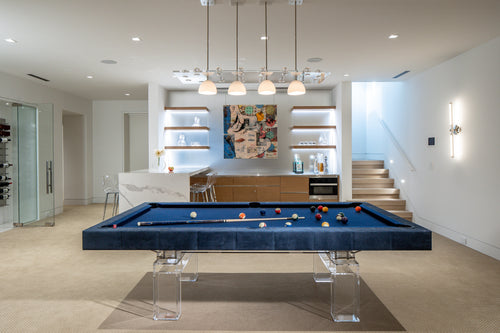
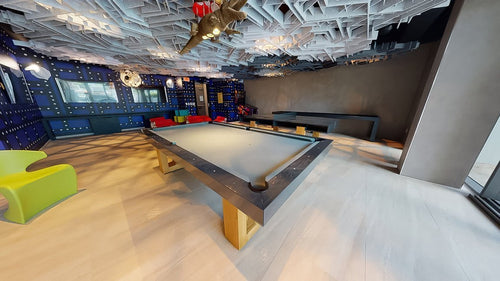
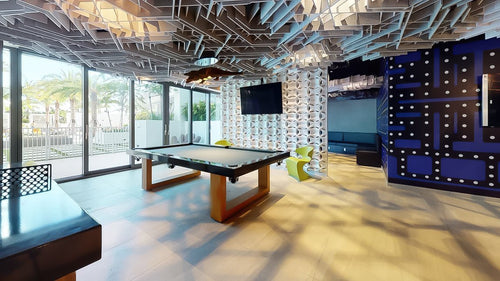
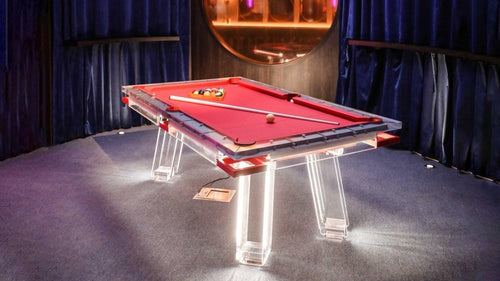
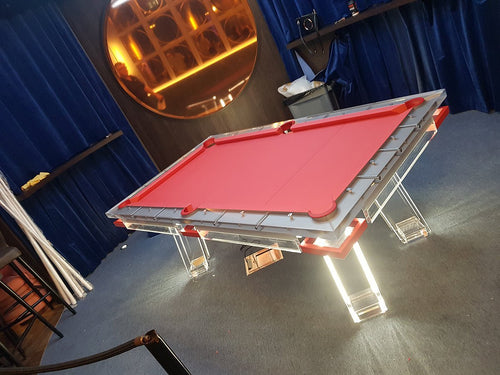
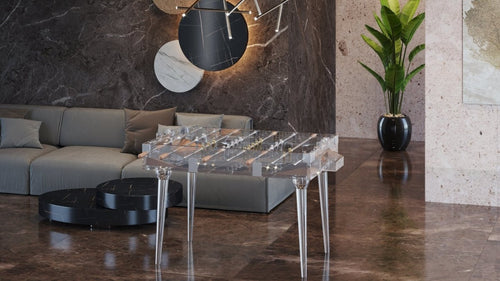
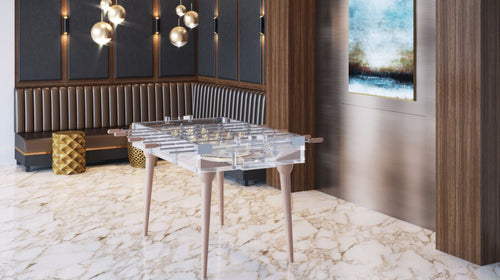
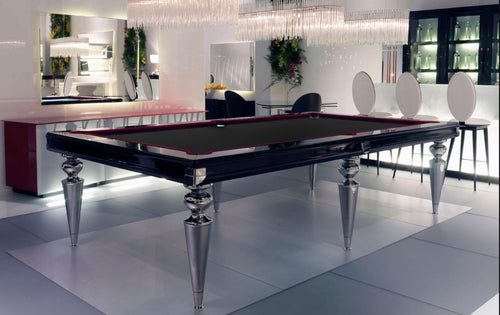
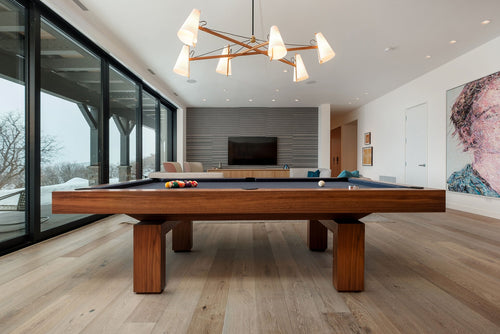
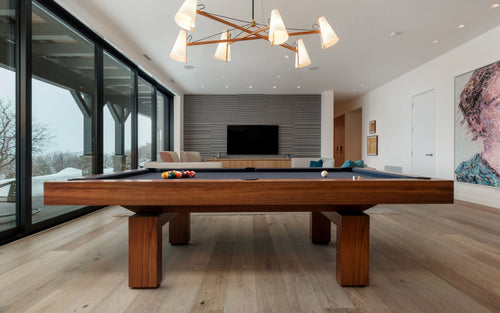
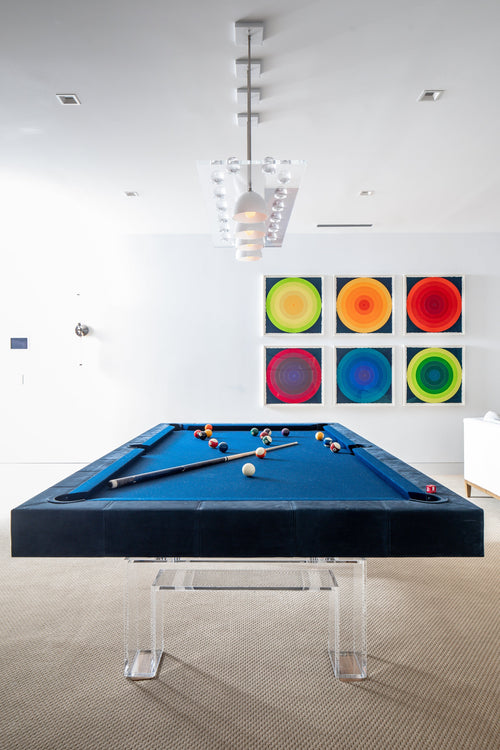
The pool table is the center of the room, so it sets the tone immediately. If the table looks like commercial equipment, the room will lean recreational. If the table looks like a serious furniture piece, the room can feel much more elevated.
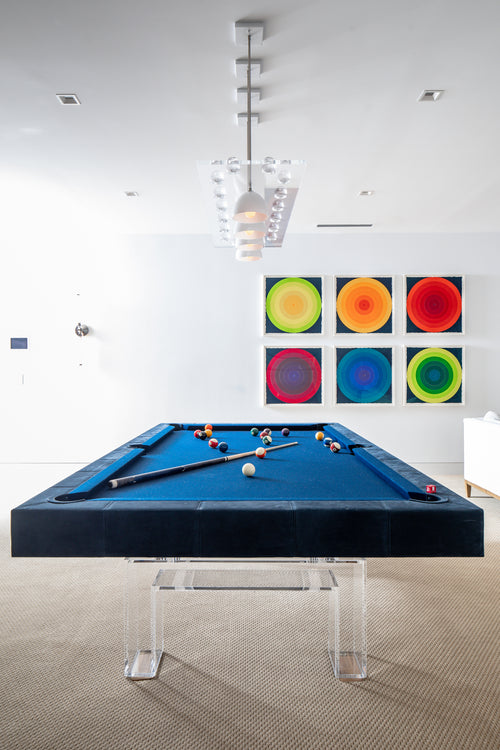
This does not mean the table should be delicate or decorative. It still needs to play well. But the design should respect the home around it. The frame, legs, rails, pockets, cloth, and finish should feel selected, not merely functional.
In a luxury home, the pool table should be specified the way a dining table, console, or statement piece would be specified. Material, proportion, finish, and placement all matter.
The goal is simple: when nobody is playing, the table should still make the room better.
3. Avoid Theme-Based Design
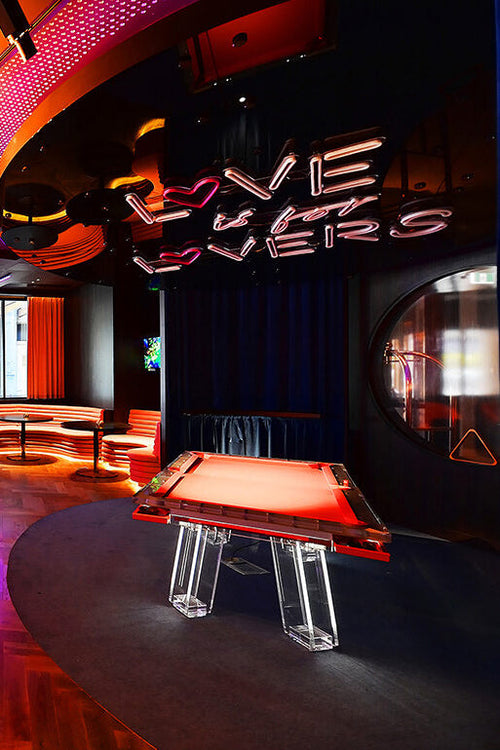
Theme is the enemy of most luxury game rooms. A room does not need billiard posters, neon signs, vintage beer art, sports flags, or novelty decor to communicate its purpose. The pool table already provides the function.
The more the room insists on being a game room, the less sophisticated it tends to feel. This is why so many basement-style spaces age poorly. They are designed around a stereotype rather than around the architecture of the home.
A better approach is to design the room around mood. Is it a lounge? A private club? A family entertaining space? A formal game room? A hospitality-style amenity? Once the mood is clear, the design becomes more flexible and less obvious.
The room should feel like a place people want to spend time, not a set of visual cues borrowed from a bar.
4. Upgrade the Lighting Strategy
Lighting is one of the biggest differences between a basement game room and a luxury entertainment space. Harsh ceiling cans, generic billiard lamps, and dim corners can make even an expensive table feel ordinary.
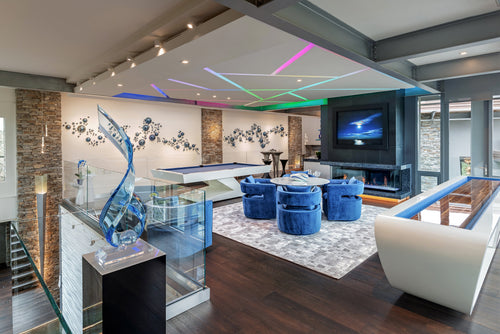
A better lighting plan uses layers. The table needs proper illumination for play, but the room also needs ambient lighting, wall lighting, accent lighting, and possibly architectural lighting. The pool table light should not feel like the only decision in the ceiling.
In luxury interiors, the fixture above the table should relate to the room. It may be linear and minimal, sculptural and dramatic, or integrated into a larger ceiling concept. What matters is that it feels chosen for the space, not copied from a pool hall.
Pro tip: If the lighting looks like it came from a sports bar, the room will feel like a sports bar. Start with atmosphere, then solve the playing light.
5. Connect the Room to the Rest of the Home
One reason basement game rooms feel disconnected is that their materials do not relate to the rest of the home. The flooring changes. The lighting changes. The furniture style changes. The finishes become darker, heavier, or more casual without a clear reason.
To avoid that, use material continuity. The room can still have its own identity, but it should share some language with the rest of the home. That may mean repeating a wood tone, metal finish, stone color, wall treatment, or architectural detail.
The goal is not to make every room look the same. The goal is to make the game room feel like it belongs to the same house.
This matters even more in open-plan homes, where the pool table may be visible from adjacent living areas. A disconnected table or room treatment will stand out immediately.
6. Hide or Elevate the Accessories
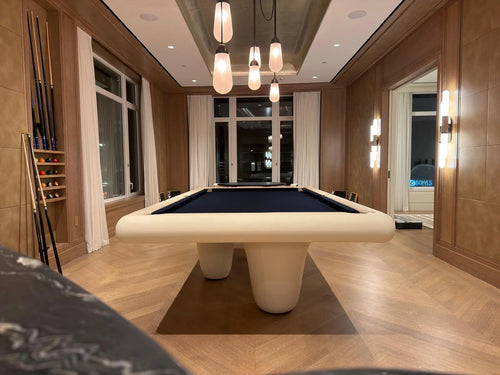
Accessories are where many luxury game rooms fall apart. Cue racks, chalk, triangles, ball sets, covers, brushes, and spare equipment are necessary, but they can easily make the room feel messy or casual.
The basement version puts everything on display without much thought. The luxury version either hides the accessories or turns them into part of the design.
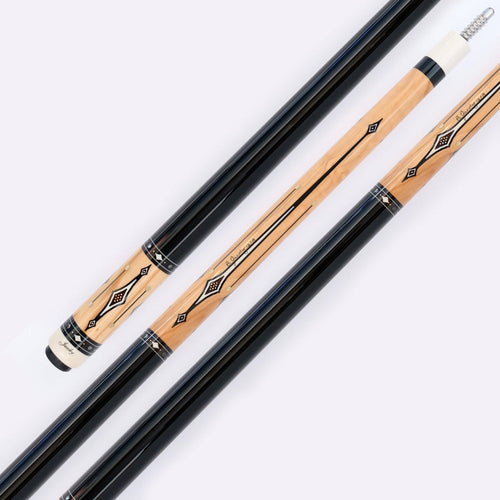
Custom wall-mounted cue storage can work if it matches the architecture. Built-in cabinetry can keep equipment out of sight. A beautiful accessory drawer, console, or storage wall can make the room feel finished rather than improvised.
The key is to avoid visual clutter. The room should not look like a place where equipment was collected over time. It should look like every object has a reason to be there.
7. Make It Feel Like a Lounge, Not a Rec Room
The seating around a pool table changes the entire room. Basement game rooms often use oversized sectionals, bar stools, or random chairs placed wherever there is space. Luxury game rooms need a more deliberate lounge strategy.
That may mean a pair of lounge chairs, a tailored sofa, a low cocktail table, built-in banquettes, or seating that supports conversation while keeping the playing area clear. The furniture should make the room feel social, not crowded.
This is where the room can become more than a place to play pool. It can become a genuine entertaining space. People can watch, talk, drink, wait their turn, or simply spend time there even when no game is happening.
That is the difference between a rec room and a real room.
The Bottom Line
To avoid the basement game room look, stop designing the room like a checklist of game-room objects. Start designing it like a luxury interior that happens to include a pool table.
Use a table that feels like furniture. Avoid obvious themes. Upgrade the lighting. Connect the materials to the rest of the home. Control the accessories. Create a lounge atmosphere instead of a rec-room setup.
A great luxury game room should not feel like an escape from the house. It should feel like one of the best rooms in it.