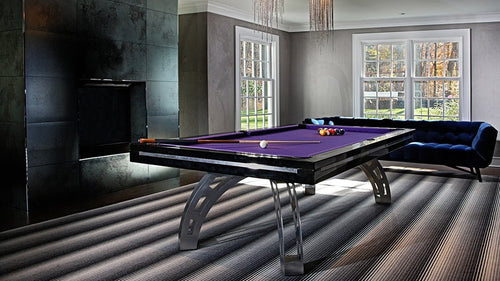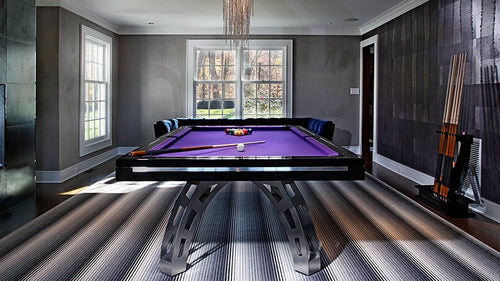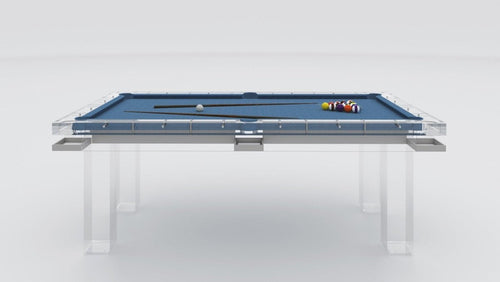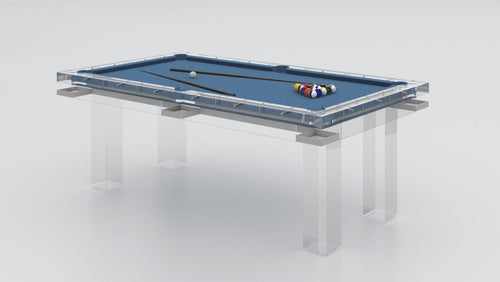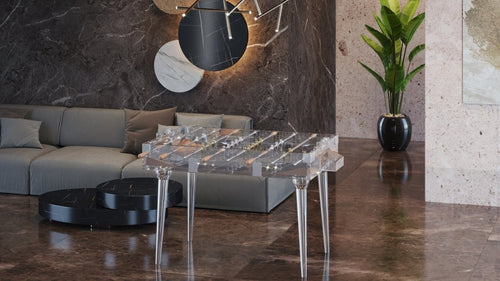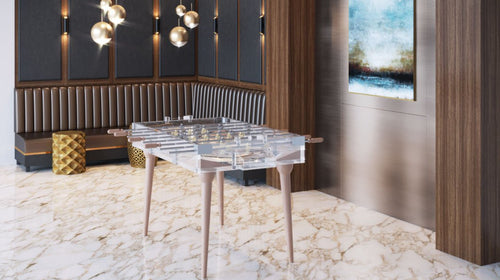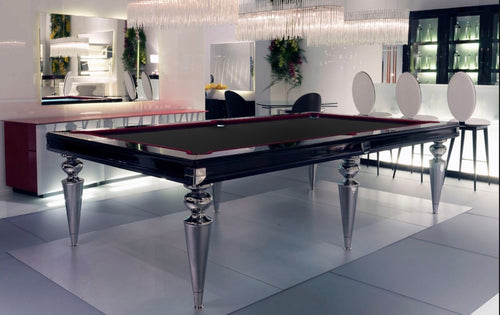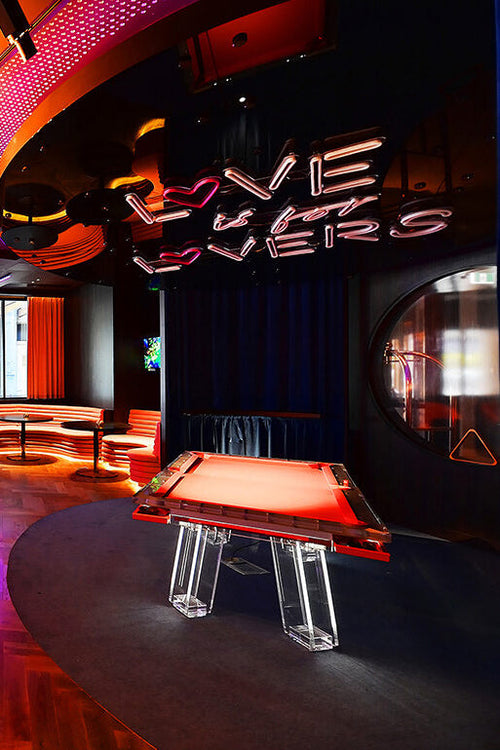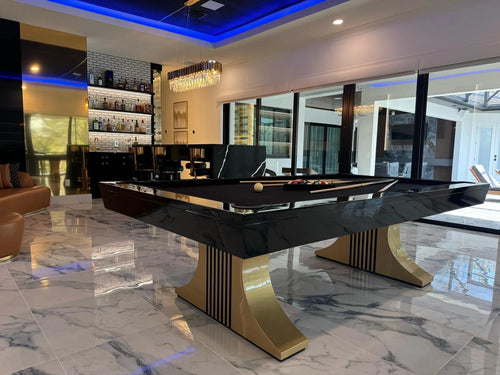


Enjoy our modern designs
In the ultra-high-net-worth (UHNW) real estate market, a house is more than just a structure; it is a curated ecosystem. When a buyer tours a $10M+ listing, they aren’t looking for "bedrooms and bathrooms"—those are utilities. They are looking for a lifestyle.
But does a high-end game room actually move the needle on a sale, or is it just "expensive wallpaper"? Let’s look at the true Return on Investment (ROI) of the luxury game room.
Table of Contents
1. The "Emotional Anchor" Effect
In luxury sales, logic justifies the purchase, but emotion closes the deal. A barren basement or an empty "flex room" requires a buyer to do the heavy mental lifting of imagining a life there.
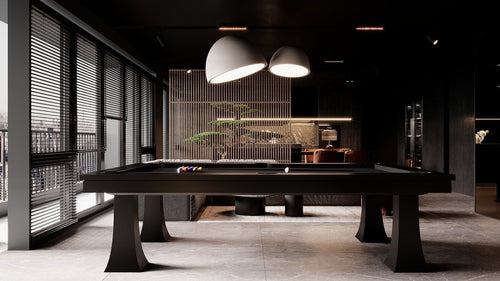
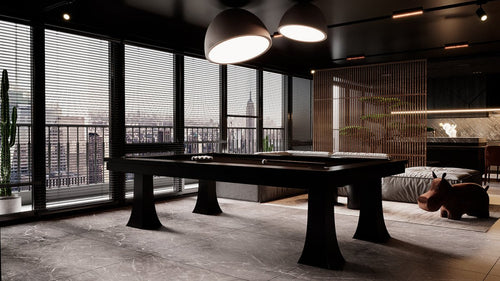
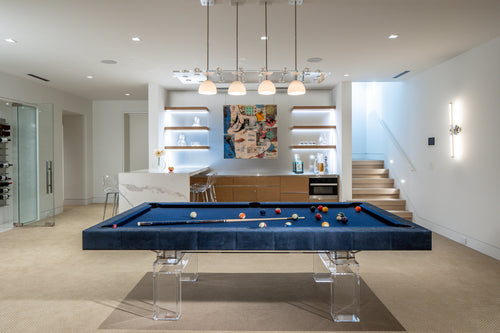
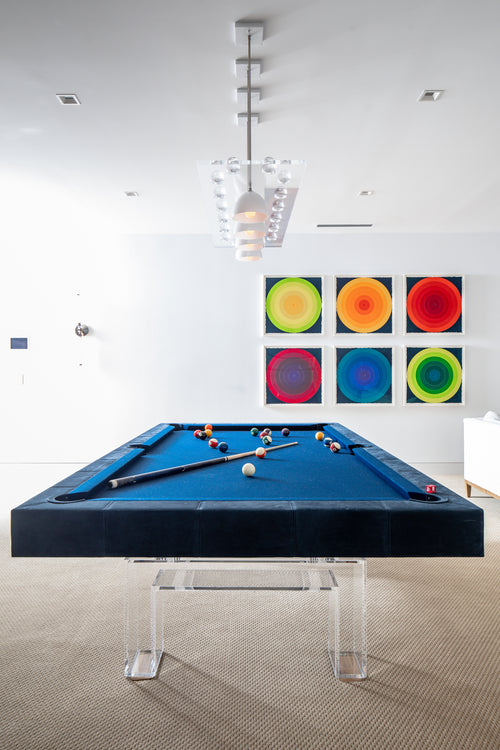
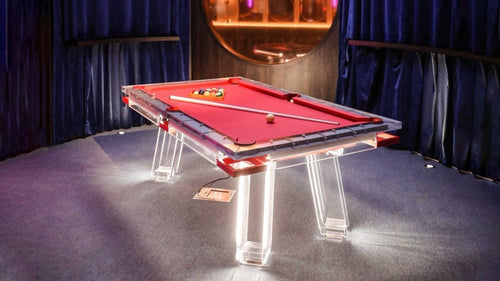
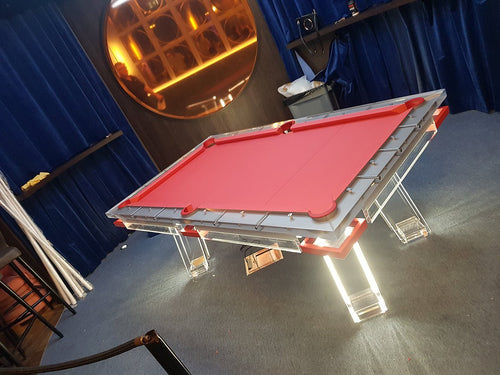
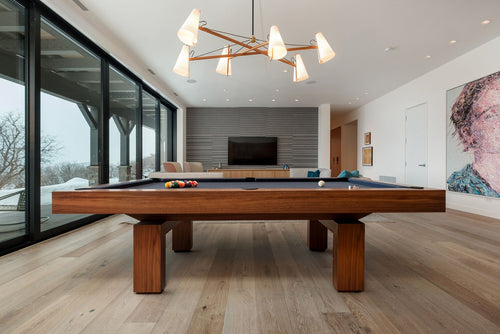
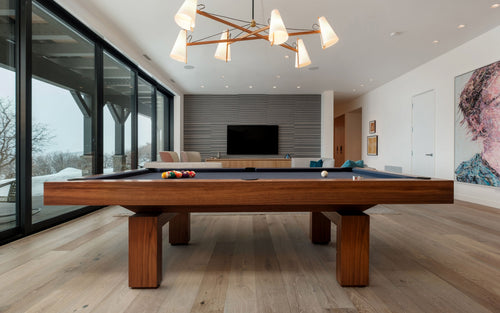
A fully realized game room, anchored by a custom-built pool table, functions as an emotional anchor. It signals that this home is a place of leisure, entertaining, and legacy. When a buyer sees a tournament-grade table, they don’t see furniture; they see future holiday parties and the quiet click of billiard balls during a late-night conversation.
2. Market Differentiation: The "Amenity Arms Race"
In hyper-competitive markets like Miami, Aspen, or London, luxury listings often have identical baseline finishes: Sub-Zero appliances, Italian marble, and smart-home integration are the new standard.
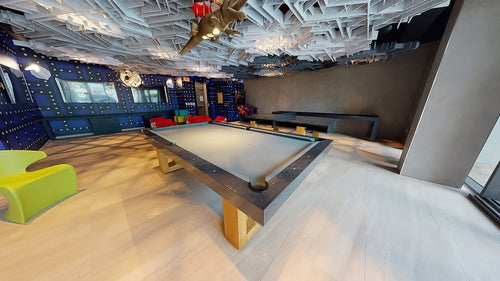
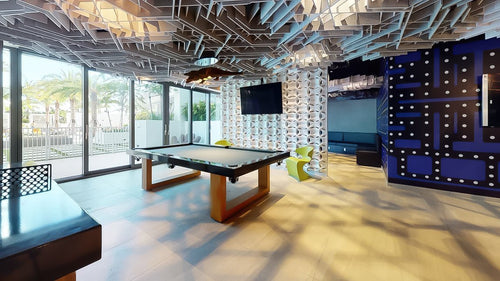
To stand out, a listing needs a Unique Selling Proposition (USP). A bespoke game room—especially one that features rare materials like Macassar Ebony or integrated LED coffers—separates the property from the "white-box" modern homes saturating the market. It transitions the property from "luxury" to "one-of-a-kind."
3. The Convenience Premium: "Socially Ready" Homes
For developers and luxury "flippers," the math is compelling. A high-end game room suite might cost between $50k and $150k to execute perfectly. However, in the luxury bracket, that specific "lifestyle suite" can often justify a price bump of 2x to 3x the investment cost.
Why? Because UHNW buyers are paying for the convenience of curation. They would rather pay $300k more for a home that is "socially ready" today than spend six months sourcing their own custom table, coordinating with designers, and managing specialized installers.
4. Functional Versatility and the "Flex" ROI
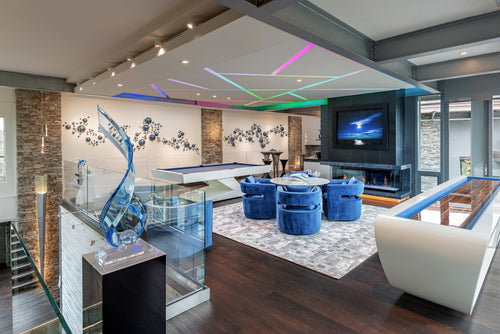
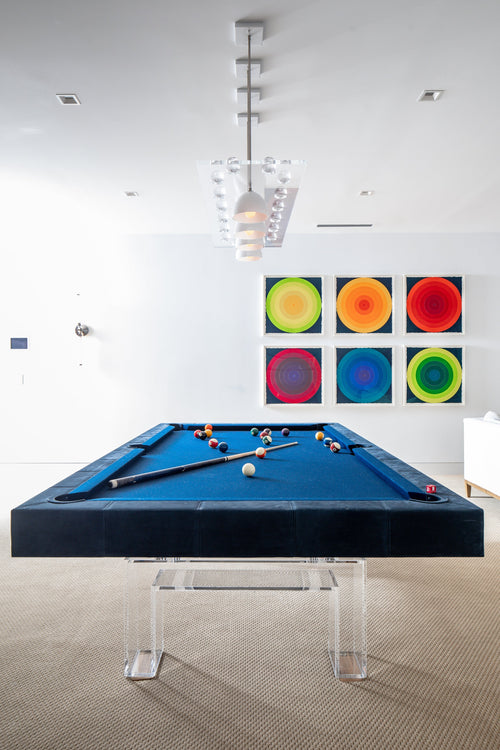
Modern game room design has shifted away from the "dark wood pub" aesthetic of the 90s toward an integrated, open-concept approach. This increases ROI by maintaining the home's functional versatility.
- Convertible Luxury: High-end dining-to-billiard tables allow a room to serve as a formal boardroom or dining hall during the day and an entertainment hub at night.
- Invisible Gaming: Using wall-mounted cue racks that double as architectural art ensures the room doesn't lose its "sophisticated" feel, preserving resale value for buyers who may not be avid players themselves.
5. The "Private Club" Premium
Since 2020, the value of the "home sanctuary" has skyrocketed. Buyers are willing to pay a massive premium for properties that offer recreational self-sufficiency. A dedicated game room with a pool table, custom bar, and perhaps a shuffleboard isn’t just a room; it’s a private club. In a world where privacy is the ultimate luxury, having a world-class entertainment space inside your own gates is a significant closing factor.
The Verdict: Logic vs. Value
Does a game room increase the appraised value of a home dollar-for-dollar in a standard bank report? Likely not. But does it increase the marketability, speed of sale, and final closing price? Absolutely.
In the luxury sector, ROI isn't just about the cost of the slate and wood; it’s about the strength of the offer. A well-designed game room makes a house feel like a "home," and in the world of luxury real estate, that is a value that is impossible to overstate.