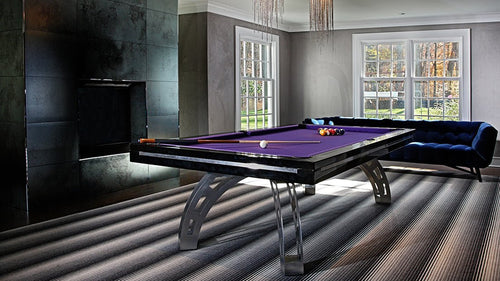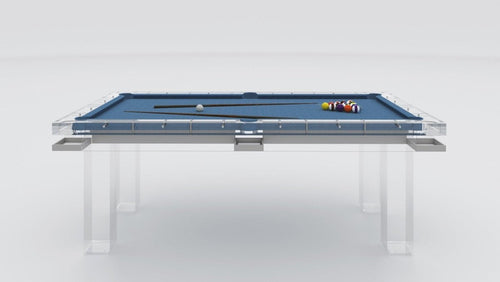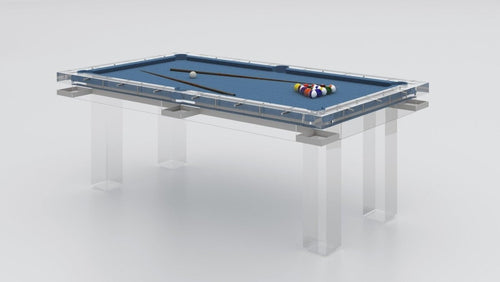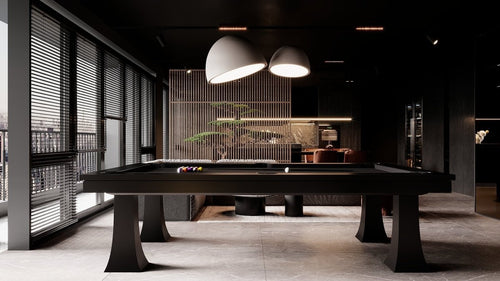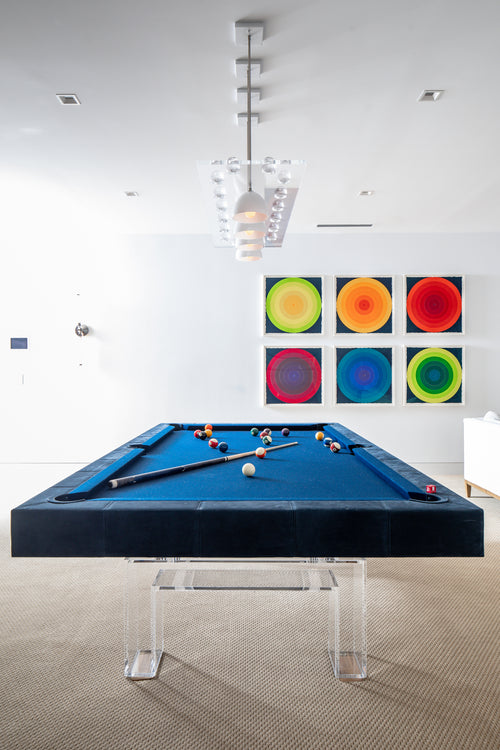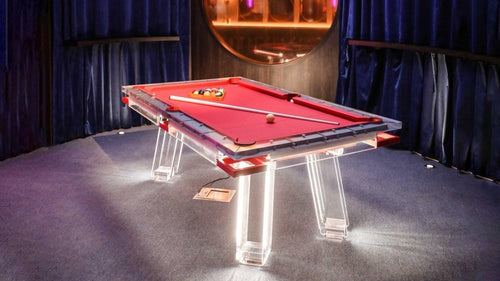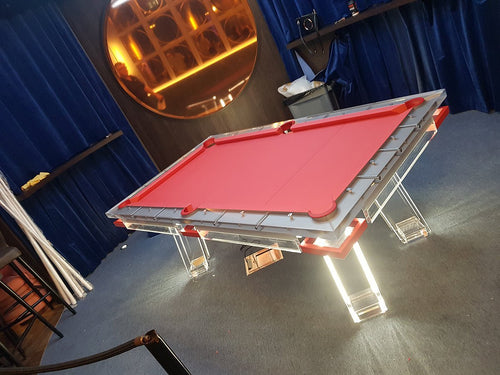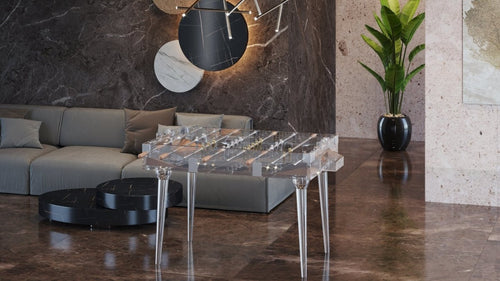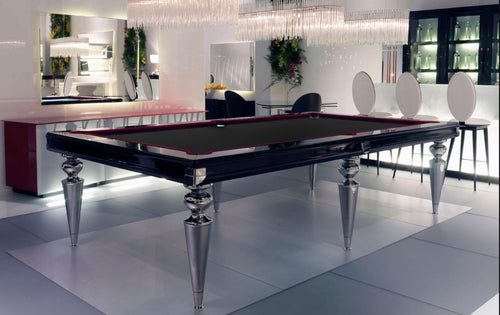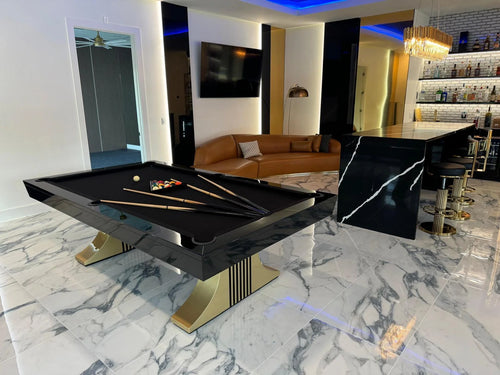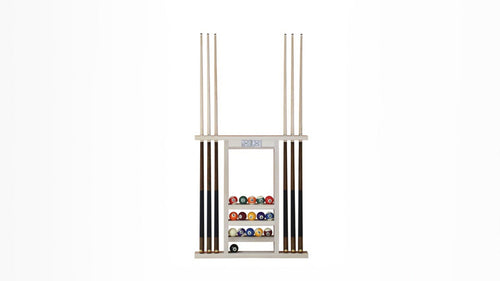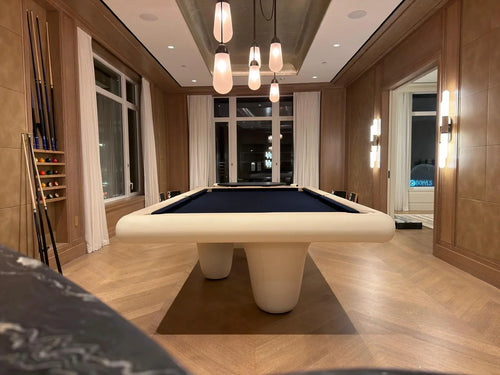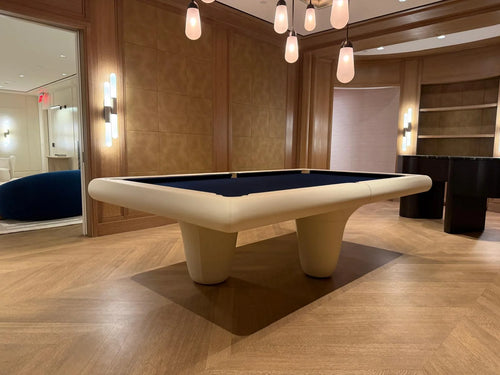


Enjoy our modern designs
Felt-lined and flexible clips can both work well when their fit, condition and contact surfaces suit the cue.
When you are shopping for a luxury cue rack, it is easy to get distracted by the wood finish or the overall shape. But the most critical component of any rack is the part you barely notice: the clip.
A clip may steady the shaft while the butt rests in a lower support. Other racks suspend the cue or use open holders. Assess the complete support system, not just the clip material.
Felt linings and flexible rubber or silicone clips are common choices. Neither a luxury label nor a soft material proves that a rack will fit or protect every cue.
Here is the breakdown of which grip is right for your game room.
Table of Contents
1. The Traditional Choice: Felt-Lined Clips
A felt-lined holder can give a rack a traditional appearance. The lining may be fitted inside a wooden or metal holder; inspect how it is attached and whether replacement is supported.
The Pros:
- Quiet handling: A clean felt lining can cushion contact, although noise depends on the holder design and how the cue is removed.
- Gentle contact: Felt can provide a soft contact surface. It is not damage-proof: trapped grit, worn lining and poor fit still need attention.
- Aesthetics: It looks classic. If you have a traditional mahogany table with green felt, a rack with matching green felt clips ties the room together beautifully.
The Cons:
- Wear and tear: Linings can flatten or detach. Use the maker’s replacement method rather than applying an unspecified adhesive near the cue finish.
- Retention: Felt does have friction, but the holder geometry determines how securely the cue is retained. Check alignment, lower support and resistance to an accidental bump.
2. The Modern Standard: Soft-Touch Rubber & Silicone
Flexible rubber and silicone clips can provide resilient retention. Check the actual product specification and condition; flexibility, surface quality and compatibility matter more than a luxury or budget category.
The Pros:
- Retention: A correctly sized flexible clip can hold the shaft securely. It is not an earthquake restraint or a guarantee against falling if the rack is struck or tipped.
- Check the contact diameter: Measure where the clip actually touches the cue. Tip diameter alone does not describe that part of a tapered shaft. Use the rack maker’s fit range and do not force a cue into an undersized holder.
- Condition: Inspect flexible clips for hardening, splits, looseness or surface changes. Service life depends on the compound, exposure and use; silicone is not a promise of unchanged performance.
The Cons:
- Removal: Follow the holder’s intended release direction and remove the cue gently. Excessive drag or visible marking is a reason to check fit and condition.
- Verify the specification: Touch alone cannot identify a polymer or establish finish compatibility. Ask about the contact material, fit range and replacement parts, and inspect for sharp edges or debris.
The Verdict: Which Should You Choose?
Choose Felt-Lined if:
- You are a purist restoring a vintage room.
- You are extremely gentle with your equipment.
- You want the rack to look like a piece of antique furniture.
Choose Soft-Touch Rubber if:
- You use cues with varying shaft diameters, such as playing cues, break cues, and jump cues.
- The specified clip range fits each cue at the actual contact point, and the rack is secure.
- You are placing the rack in a high-traffic area.
The Bottom Line
Choose a clean, smooth holder that keeps the cue straight without forced bending or excessive pressure. No lining guarantees immunity from damage. McDermott’s storage guidance emphasizes a straight position and consistent temperature and humidity; it does not certify one clip material as universally safest.