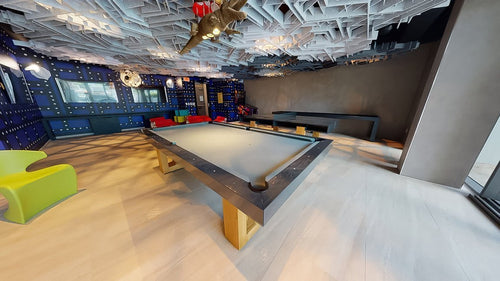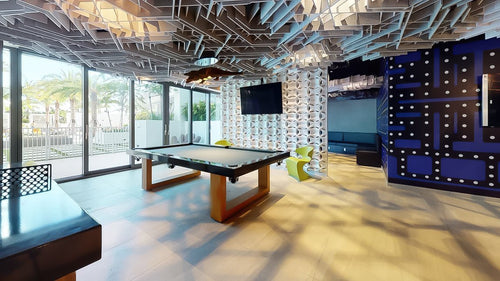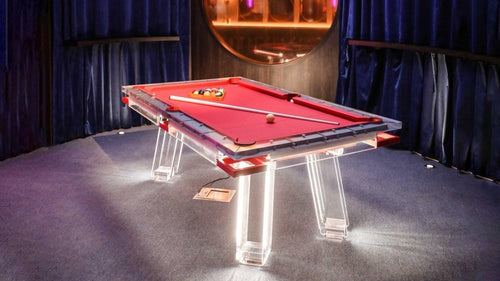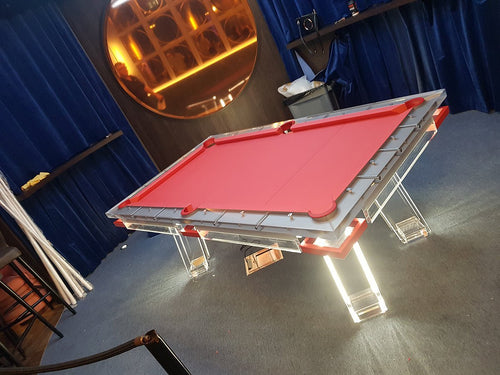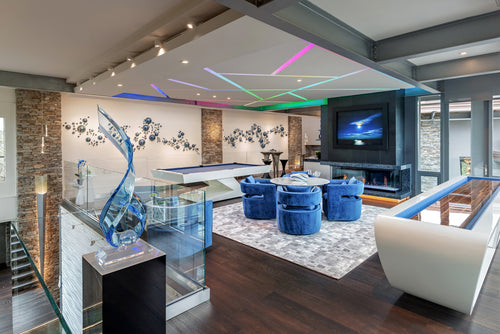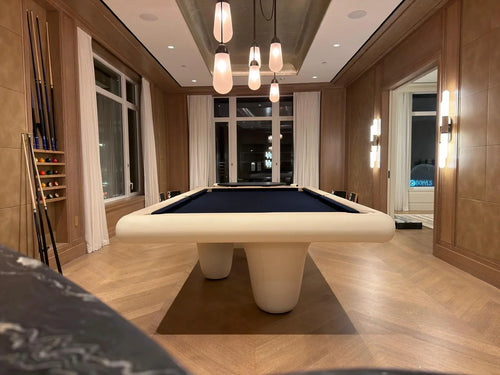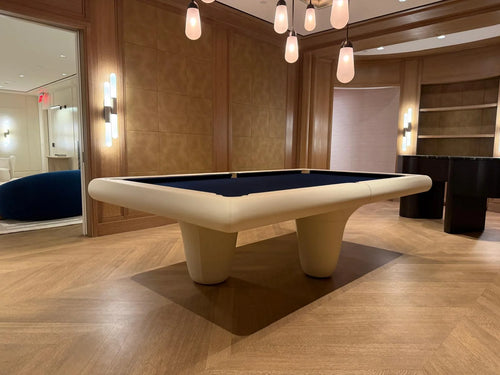


Enjoy our modern designs
A billiard room can combine sport with the services of a night out: a place to play, order refreshments and spend time together. Tokyo offers examples of this approach, but its pool rooms should not be treated as one uniform culture.
BAGUS provides examples of billiards alongside other leisure activities. Its venue pages and floor plans offer a practical starting point for considering how the game fits into hospitality design.
Billiards as an Evening Activity
The BAGUS Shinjuku Yasukuni-dori venue page presents billiards alongside darts, table tennis, simulation golf, karaoke and party options. That mix places the pool table within a wider entertainment offer.
For a group planning an evening, this arrangement can offer a shared activity without requiring everyone to want the same kind of game. The design question is how to make those choices easy to understand and comfortable to use.
The Pool Table as a Social Anchor
A turn-based game gives conversation a natural pause: one person takes a shot while others watch, wait or talk. This is a design opportunity for a lounge, hotel or home game room.
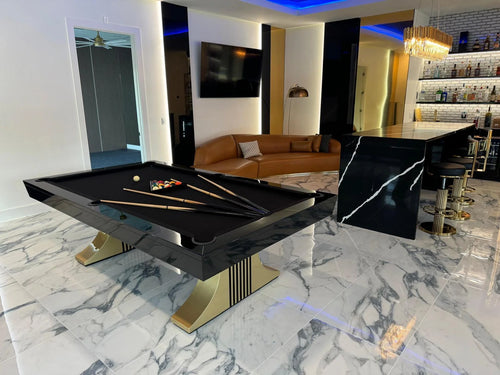
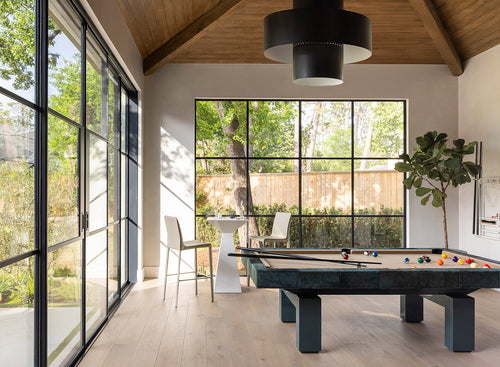
The surrounding space still matters. Seating should let companions remain part of the group without occupying the cueing area. A nearby surface for drinks can keep glasses away from the cloth. Give the people waiting to play a place where they can comfortably follow the game.
Hospitality Around the Game
Hospitality is visible in practical choices: how guests find the entrance, understand the charges, obtain equipment and move between the table and seating. These are useful criteria for evaluating any venue.
Assess maintenance, service, lighting and house rules at the particular room you intend to visit. These details shape the visit more directly than a general reputation for atmosphere.
Choosing a Venue and Planning the Visit
BAGUS’s venue directory lists separate locations and their facilities. A branch name is more useful than a general promise about “Tokyo nightlife”: activities, access and operating arrangements can differ.
Check the current branch page before travelling, including its booking arrangements, charges and access route. If a group includes people who will not play, consider whether the venue provides a comfortable place for them too.
Leisure Across Building Levels
A concrete example of a venue spanning floors appears in the operator’s Machida Higashiguchi floor plan. It places darts and a bar counter on the fifth floor, with billiards and simulation golf on the sixth.
For an interior designer, that plan raises useful questions about wayfinding, movement between activities and the relationship between service areas and play. Separating activities by level also makes the route between them an important part of the experience.
Making Room for Different Kinds of Play
A social table can host a friendly rack, a more competitive match or a short practice session. A venue can make those choices easier through clear table allocation, booking and conduct rules.
Flexibility also requires enough space. A seating area that works between shots may obstruct a long backswing during play. Plan the active playing zone first and place the lounge around it.
Planning a Solo Practice Visit
Solo practice is an ordinary way to work on shot-making and cue-ball control. Before visiting an unfamiliar venue, check whether individual table hire is available and how it is charged.
A useful practice plan might focus on one task, such as stop shots or position routes, and record the results. Choose a session length that lets you concentrate on that task.
Equipment and Japanese Cue Making
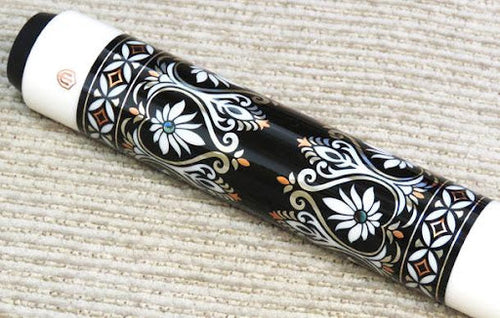
Japanese equipment makers are another part of the subject. Miki’s official website identifies Mezz and Exceed as its cue brands and gives the company’s address in Tomioka, Gunma. It offers a connection to Japanese cue making beyond the design of the venue itself.
For a player, the practical questions remain the cue’s fit, condition and suitability for the game. For a room operator, reliable equipment and a clear care routine matter as much as the surrounding décor.
The Experience Around the Table
The named venue pages and floor plan show how billiards can be offered alongside food, drink or other games. They provide a useful basis for thinking about how a leisure room works.
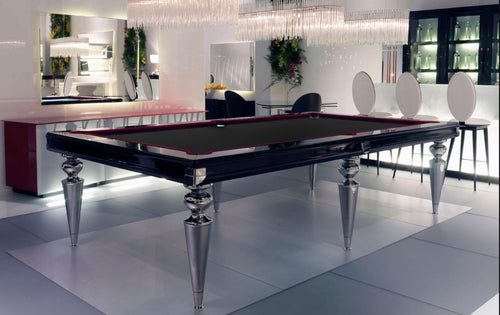
The design lesson is straightforward: treat the table, seating, circulation and service as parts of the same room. A well-planned setting can support both play and company while giving each activity enough space.