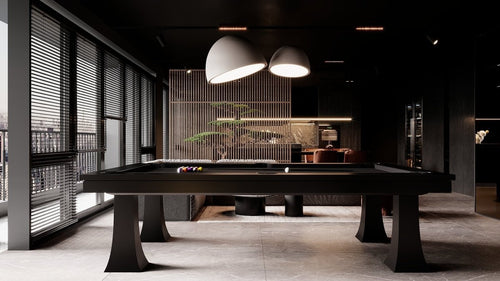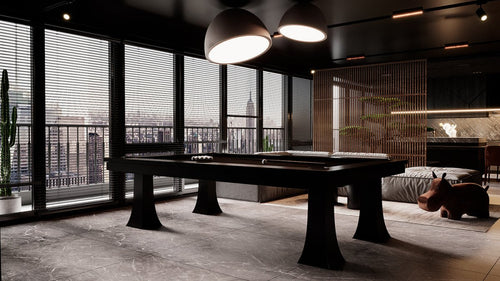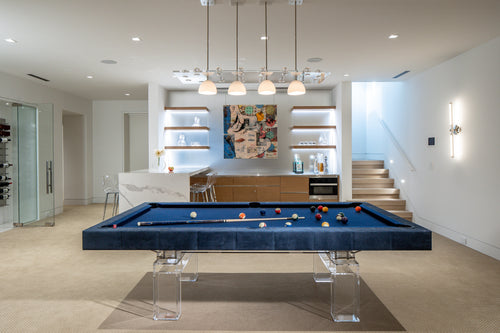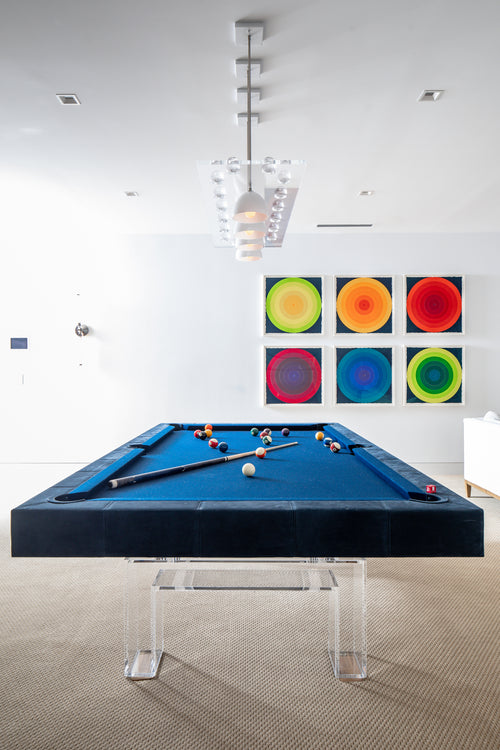


Enjoy our modern designs
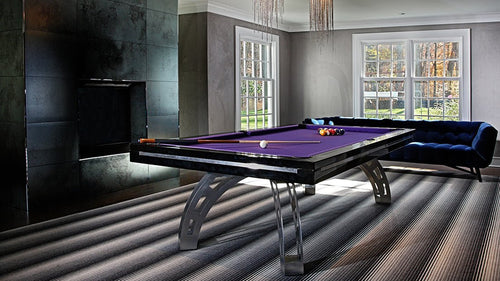
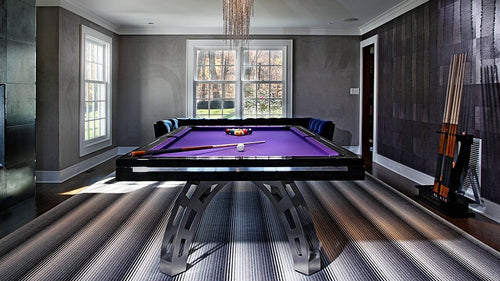
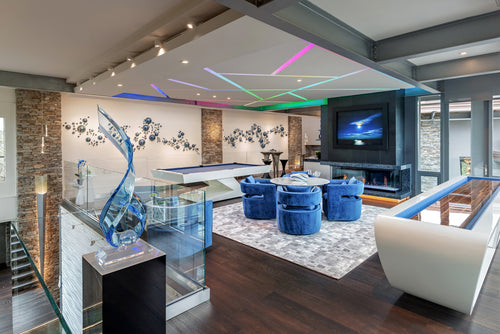
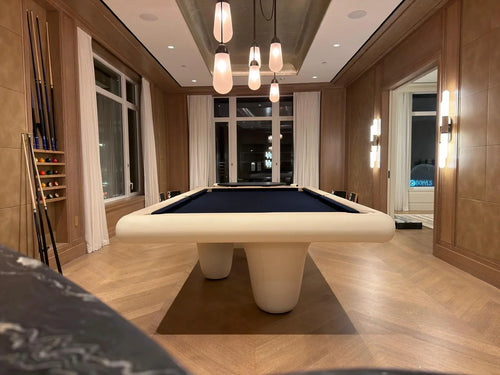
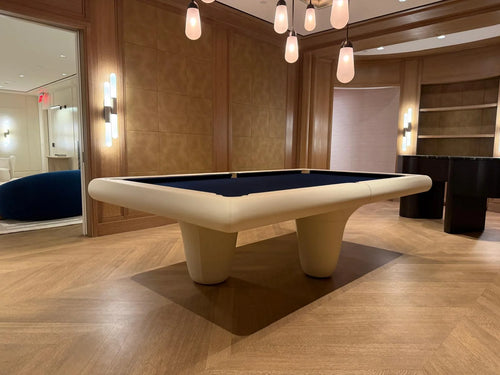
A game room can have expensive furniture, a beautiful pool table, perfect lighting, and impressive accessories, yet still feel wrong. The problem is often not quality. The problem is that the room feels like a showroom.
Showroom-style game rooms look staged instead of lived in. Every object may be polished, but the space lacks mood, personality, and ease. It feels like a display of products rather than a room where people actually gather.
In luxury homes, hotels, and private clubs, a game room should feel designed, but not artificial. It should feel elevated, but not sterile. It should feel ready for use, not frozen for photography.
Table of Contents
- The Showroom Problem
- Too Perfect Can Feel Uninviting
- Over-Matching Makes the Room Feel Flat
- The Room Still Has to Function Naturally
- Personality Matters More Than Product Display
- Lighting Should Create Mood, Not Just Highlight Objects
- A Game Room Should Look Good While Being Used
- The Best Rooms Balance Polish and Ease
- The Bottom Line
1. The Showroom Problem
A showroom is designed to sell objects. A game room is designed to host people. When those two goals get confused, the room starts to feel stiff.
This happens when every piece looks selected for display rather than use. The pool table is centered perfectly, the cues are arranged too neatly, the seating looks untouched, the accessories feel decorative, and the room has no sense of real behavior.
The result may photograph well, but it does not always invite people in. Guests can sense when a room feels too precious. They hesitate to sit, play, set down a drink, or use the space naturally.
A luxury game room should not make people feel like they are interrupting the design by enjoying it.
Designer insight: The goal is not to make a game room look untouched. The goal is to make it look good before, during, and after use.
2. Too Perfect Can Feel Uninviting
Perfection can become cold. In a game room, this is especially dangerous because the room is supposed to support relaxation, movement, and social energy.
If everything feels overly staged, the room loses ease. The pool table becomes an object to admire rather than a table to play on. The seating becomes a composition rather than a place to sit. The bar becomes a backdrop rather than a service area.
This does not mean the room should be messy or casual in the wrong way. It means it should have enough softness, texture, and practical detail to feel usable.
3. Over-Matching Makes the Room Feel Flat
One reason game rooms start to feel like showrooms is over-matching. The pool table matches the bar. The cue rack matches the table. The seating matches the wall panels. The lighting matches the hardware. Every finish repeats itself too literally.
At first, this can look cohesive. But too much matching removes depth. The room begins to feel like a package rather than an interior.
Luxury spaces usually need coordination, not sameness. Materials should speak to each other without copying each other. A pool table may relate to the millwork without using the exact same finish. Cue storage may connect to the architecture without becoming invisible.
4. The Room Still Has to Function Naturally
A showroom-style game room often fails because it ignores real use. It may look balanced from one camera angle, but the seating is too far away, the cue storage is inconvenient, the lighting creates glare, or there is nowhere to place a drink.
Good design has to survive movement. Players need cue clearance. Guests need places to stand, sit, watch, and pass through. Accessories need to be accessible. Staff or hosts need to reset the room easily.
If the room only works when nobody is using it, it is not a successful game room. It is a display.
Pro tip: Walk the room as a player, a spectator, a host, and a guest before finalizing the layout. A showroom angle is not the same as a working plan.
5. Personality Matters More Than Product Display
A game room should have personality, but not gimmicks. There is a difference between a room with character and a room full of themed objects.
Showroom-style spaces often lack personality because they are afraid of imperfection. Every object is tasteful, but nothing feels specific. The room could belong to anyone, anywhere.
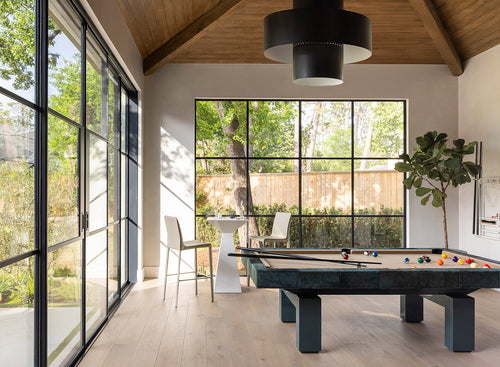
Better game rooms have a point of view. They may feel club-like, coastal, minimal, moody, playful, architectural, or relaxed. The pool table, lighting, seating, art, storage, and materials all support that mood.
6. Lighting Should Create Mood, Not Just Highlight Objects
Showrooms often light objects. Real rooms light experiences. That distinction matters in game rooms.
If the pool table is dramatically lit but the rest of the room feels flat, the space can feel staged. If every object is highlighted equally, the room can feel commercial. If the lighting is too bright, guests may feel exposed rather than relaxed.
A better lighting plan creates mood. The table is properly lit for play, but the seating, bar, walls, and circulation areas also have warmth and depth. Dimmers, sconces, indirect lighting, and accent lighting help the room feel flexible.
7. A Game Room Should Look Good While Being Used
The real test of a game room is not how it looks in perfect condition. The real test is how it looks when people are actually using it.
Does it still feel composed when cues are out? Is there a place for chalk? Can drinks be placed somewhere that does not threaten the cloth? Can guests sit comfortably while watching? Can the room recover quickly after a game?
A showroom room often collapses under real use because it was never designed for mess, movement, or reset. A better game room anticipates those things.
8. The Best Rooms Balance Polish and Ease
The best game rooms are polished without being stiff. They have beautiful furniture, strong lighting, thoughtful storage, and refined materials, but they still feel comfortable enough to use.
This balance is subtle. Too casual, and the room feels like a basement. Too perfect, and it feels like a showroom. The sweet spot is a room that feels designed, but not fragile.
That may mean choosing materials with texture, using seating that invites people to sit, adding storage that keeps clutter controlled, and specifying a pool table that feels like furniture without becoming precious.
The Bottom Line
Game rooms should not feel like showrooms because showrooms are built around objects, while game rooms are built around people.
A successful luxury game room needs polish, but it also needs ease. It should be beautiful, functional, comfortable, and ready for real use. The table should look good, but people should still want to play on it. The furniture should be refined, but guests should still feel welcome to sit down.
The best game rooms are not frozen displays of taste. They are rooms with enough confidence to be used.