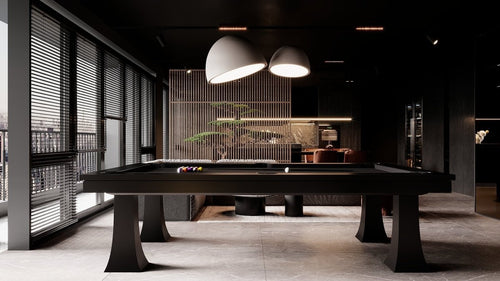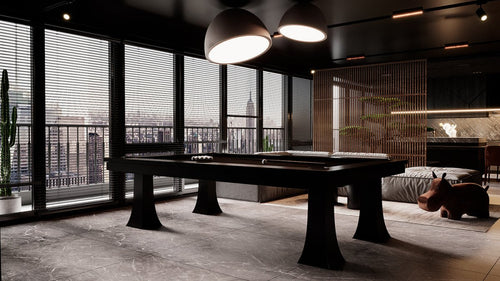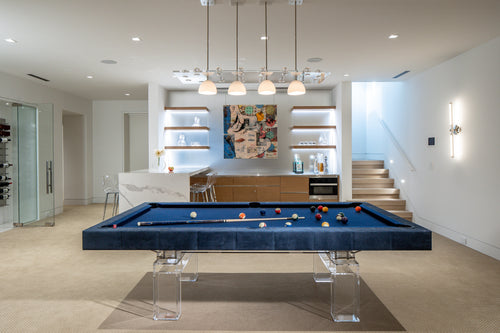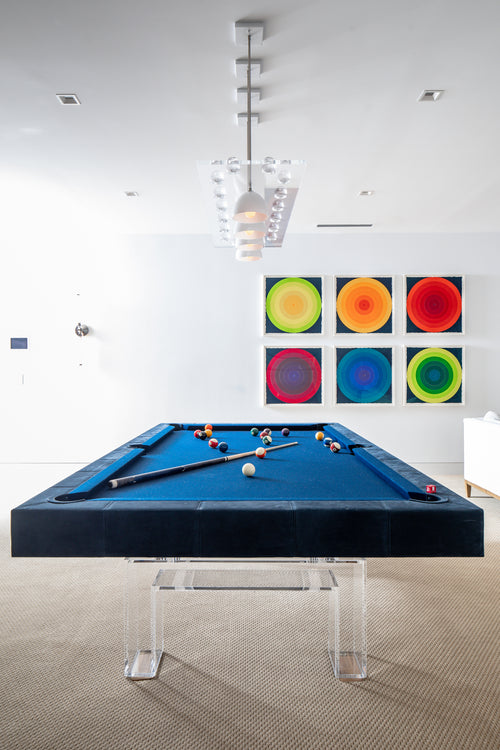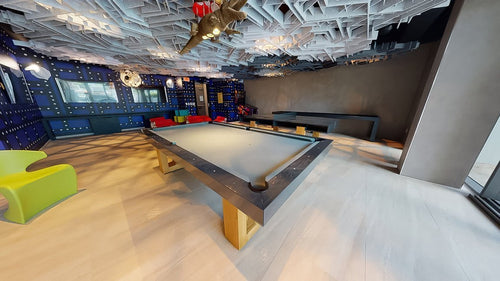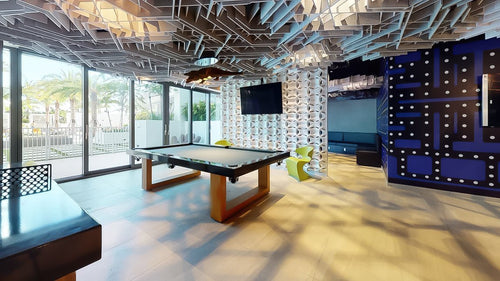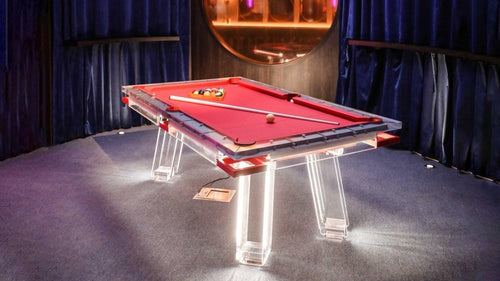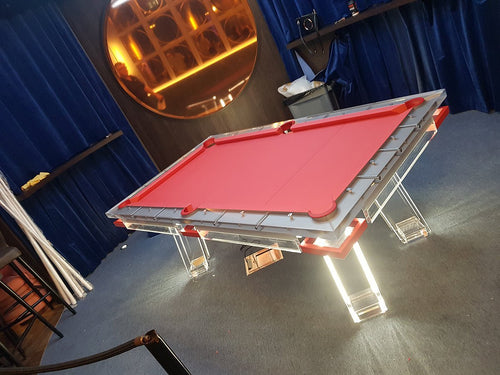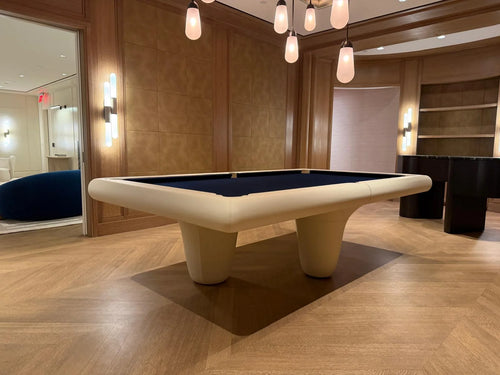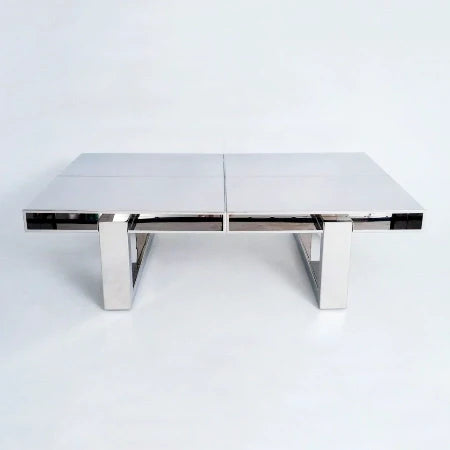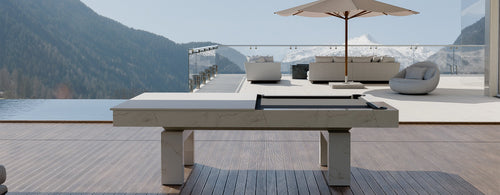


Enjoy our modern designs
Compare cue brands by the specifications, feel and support offered for the model you are considering.
A cue’s weight, balance, tip, shaft and joint should suit the player. The brands below offer different designs and product lines; the list is a starting point for comparison, not a tested quality ranking. Try the actual model when possible and check the seller’s specifications, warranty and return terms.
1. Schön Cues

Overview: Schön was formed in Wisconsin in 1981 by Terry Romine Sr. and Bob Runde. Compare the selected cue’s design, construction and shaft rather than treating decorative detail as a measure of playing performance.
Compare Schön Options:
Compare the shaft, balance, grip and decorative options.
Buying check: Try the shaft, tip, balance and grip you intend to buy. Separate the cost of decorative work from the playing specifications.
2. Mezz Cues

Overview: Mezz is a brand of Miki in Japan. Its range includes different shafts and cue configurations; check the exact model and joint compatibility.
Compare Mezz Options:
Compare shaft specifications and joint compatibility.
Buying check: Compare the offered shaft material, taper and joint. The feel of one model does not establish the feel of the entire brand.
3. McDermott Cues

Overview: McDermott began making cues in 1975. Warranty coverage varies by product line and conditions: the main lifetime warranty is limited to eligible purchases by the original owner, while other ranges have different terms.
Compare McDermott:
Compare the selected range and its specific warranty terms.
Buying check: Read the warranty for the exact product line, including eligible sellers, ownership requirements, exclusions and service arrangements.
4. Predator Cues

Overview: Predator offers low-deflection shafts and a range of cue configurations. Lower cue-ball squirt changes aiming compensation; it does not automatically make every player more accurate.
Compare Predator:
Compare shaft deflection, taper and other model-specific options.
Buying check: Allow time to adjust aiming compensation when changing shaft deflection. Test the cue rather than assuming either a benefit or a disadvantage from the technology.
5. Meucci Cues

Overview: Founded by Bob Meucci, Meucci Cues has a long-standing reputation for producing cues that prioritize playability and reduce cue ball deflection.
Compare Meucci:
Compare the actual shaft’s feel and the available designs.
Buying check: Assess the particular shaft and cue in person where possible. Ask about current warranty coverage and inspect the cue’s condition and fit.
6. Jacoby Custom Cues

Overview: Jacoby traces its beginnings to Dave’s Cue Service in 1982 and offers custom and production cues. Confirm the selected shaft, specifications and lead time for an individual order.
Compare Jacoby:
Compare custom designs, shaft options and order specifications.
Buying check: Separate design choices, playing specifications and lead time in a custom quotation. Personalization does not inherently improve or reduce playing performance.
7.Pechauer Custom Cues

Overview: Pechauer offers cues and shafts in several designs. Compare the selected model’s construction, joint, tip and warranty rather than assuming every manufacturing feature guarantees a particular feel.
Compare Pechauer:
Compare construction details, shaft options and warranty coverage.
Buying check: Compare the actual shaft and construction options, price and warranty. A traditional appearance does not establish a lack of technical development.
8. Lucasi Cues

Overview: Lucasi offers several cue configurations and designs. Compare the exact specifications and after-sales terms of the model and seller.
Compare Lucasi:
Compare model-specific features, styling and price.
Buying check: Check the actual materials, fit and warranty. Price alone does not show that a cue will wear out faster than a competing brand.
9. Zen Cues

Overview: For a cue offered as a custom Zen, establish the builder, provenance, specifications and order terms. Decoration and a custom label do not establish how the cue will play.
Buying check: Ask for the builder’s specifications and try a representative cue. Avoid assuming custom decoration is either better or worse for play.
10. North Demon Cues

Overview: For a North Demon cue, confirm the exact manufacturer, model, seller and warranty. Evaluate the item itself rather than inferring durability or value from its name or price.
Buying check: Verify the model, dealer and support arrangements. A lower price is not evidence of a durability defect.
11. Other Notable Brands
Southwest Cues: Custom cues known for their exceptional craftsmanship and precise playability, making them highly sought-after by players who value quality.Joss Cues: Classic production cues that offer a solid hit and reliability, favored by players seeking a traditional feel.
Cuetec Cues: Compare the shaft material and construction of the selected Cuetec series; the range is not limited to composite-clad wooden shafts.
Longoni Cues: An Italian brand celebrated for its elegant design and superior craftsmanship, popular among European players.
Factors to Consider When Choosing a Cue Stick
Skill Level: Beginners should opt for cues that provide good value, durability, and easy handling to help develop their skills. Advanced players may seek cues with enhanced performance features, such as low-deflection shafts or custom balance, to fine-tune their play.Budget: Determine how much you're willing to invest. For beginners, affordable cues with good quality are ideal, while intermediate and advanced players may consider higher-end or custom cues for better performance and personalization.
Cue Specifications: Consider weight, balance point, shaft diameter, and taper to match your playing style.
Materials: The type of wood, shaft material (wood vs. carbon fiber), and tip can affect performance.
Aesthetics: Choose a design that reflects your personality and preferences.
Try Before You Buy: If possible, test out cues to see which feels best in your hands.
A Summary
Use these names to build a shortlist, then compare actual models. Shaft deflection, taper, weight, balance, grip and warranty are more useful buying criteria than an unsupported brand ranking. A maker’s published specifications describe its products; they do not establish that every player will prefer them.
Remember, the best cue is one that feels right to you and complements your playing style. Don't hesitate to try out different brands and models to find your perfect match.
Sources
References checked October 19, 2026: Schön: Terry Romine and Bob Runde, 1981; Miki and Mezz company information; McDermott: product-specific warranty conditions; McDermott: 1975 history and product range; Jacoby: origins as Dave’s Cue Service in 1982; Cue shaft comparison: design and deflection considerations.