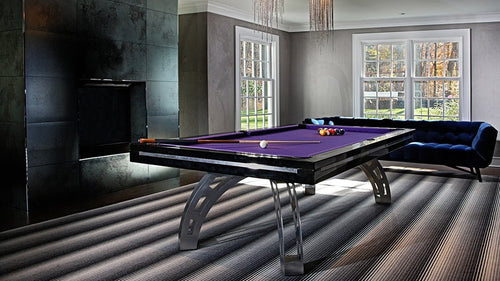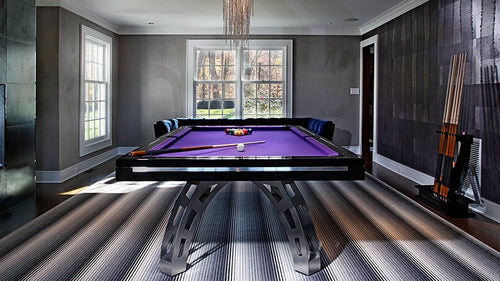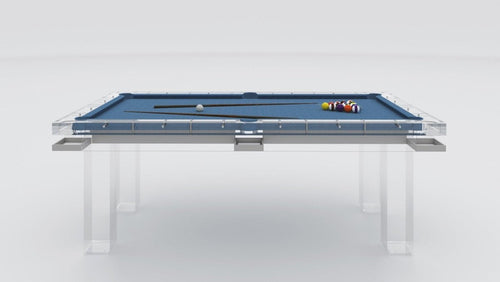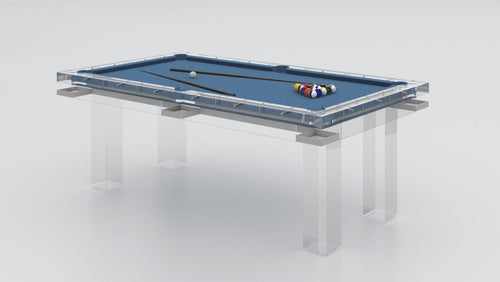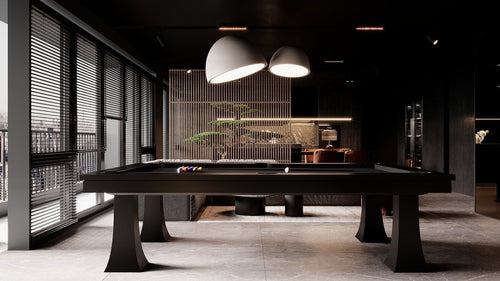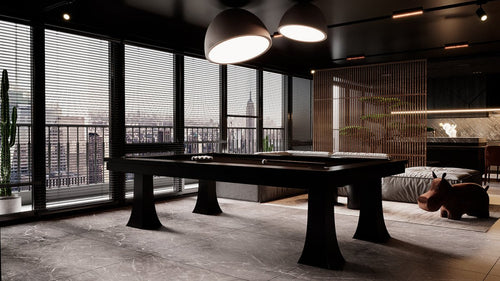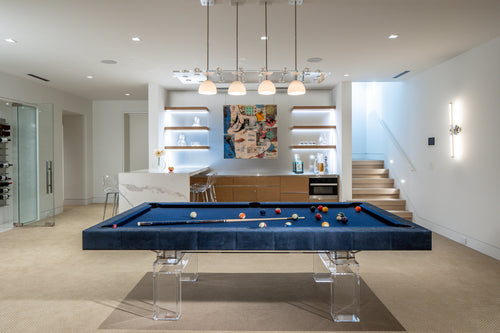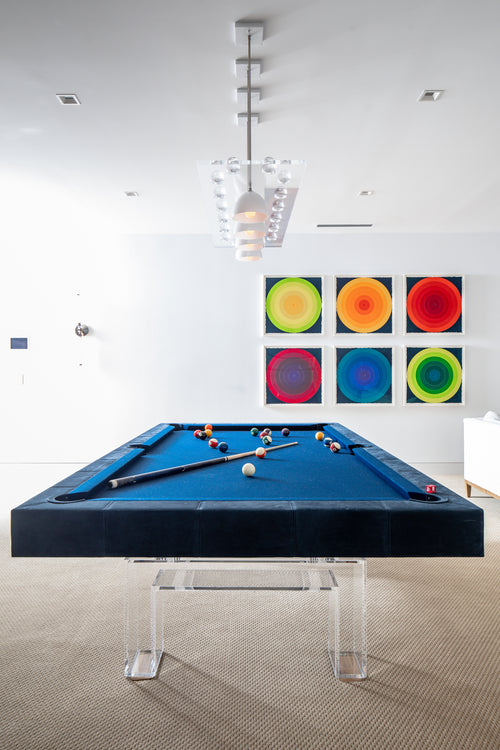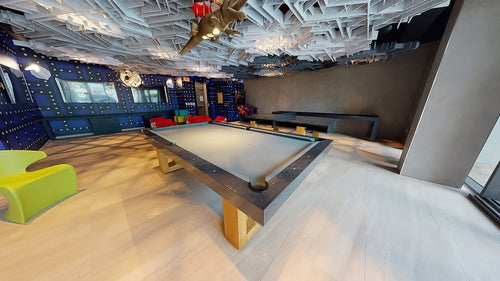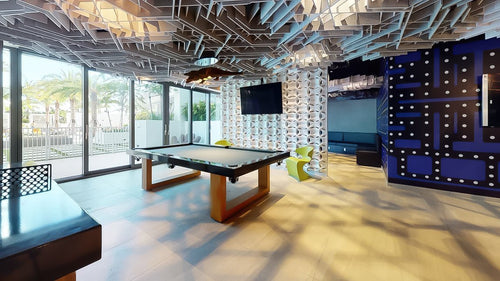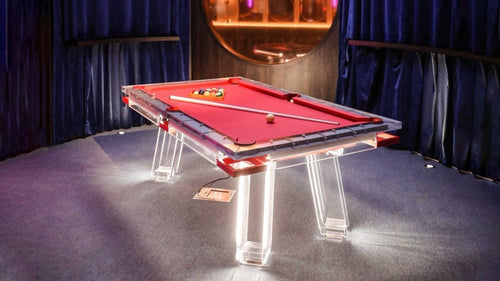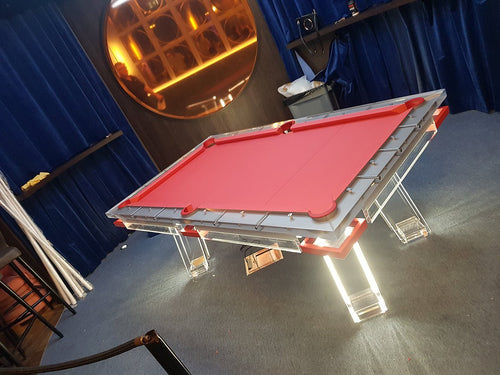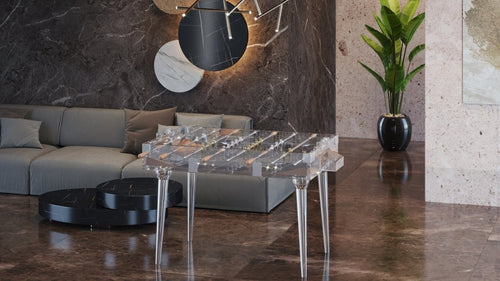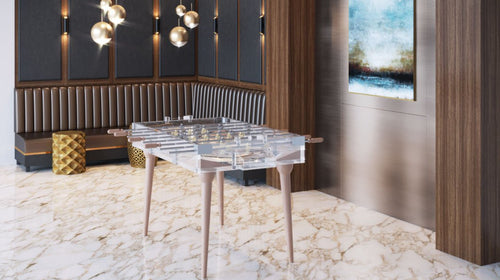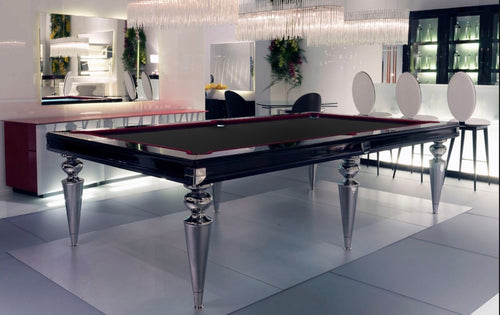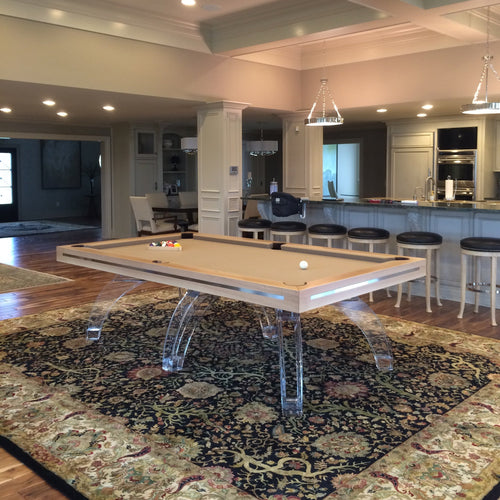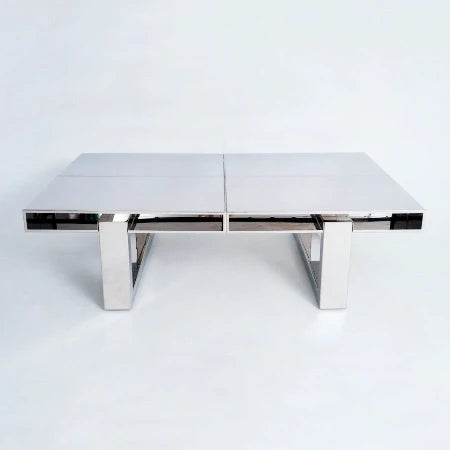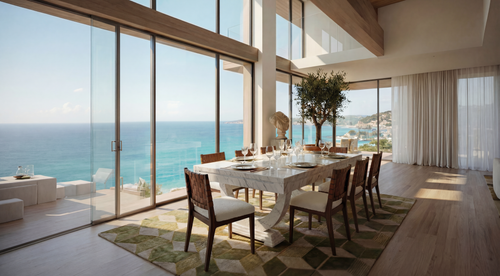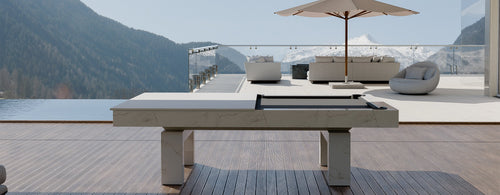


Enjoy our modern designs
Commissioning a bespoke pool table is not the same as buying one off a showroom floor.
That is the whole point.
You are not just choosing a product. You are shaping a piece around a room, a design language, and a set of preferences that usually go far beyond size and finish. In the best cases, a bespoke table feels less like a purchase and more like a design collaboration.
That sounds glamorous, and it is. But it also helps to be realistic about what the process actually involves.
My blunt take: people usually underestimate how many decisions go into a truly bespoke pool table, and overestimate how fast the process should be. If you want something genuinely custom, expect more dialogue, more material choices, more lead time, and more attention to detail than with a standard table.
That is not a downside. That is what makes the end result better.
Table of Contents
- 1. What “Bespoke” Actually Means
- 2. Step 1: The Initial Design Conversation
- 3. Step 2: Defining the Table’s Role in the Room
- 4. Step 3: Size and Proportion Decisions
- 5. Step 4: Choosing the Base Style
- 6. Step 5: Material and Finish Selection
- 7. Step 6: Reviewing Drawings, Renderings, or Samples
- 8. Step 7: Pricing Becomes More Specific
- 9. Step 8: Lead Times Are Usually Longer Than Buyers Want
- Final Verdict
- FAQ
What “Bespoke” Actually Means
A lot of brands use “custom” and “bespoke” loosely.
They should not.
A standard custom table usually means choosing from a menu: size, wood finish, felt color, maybe metal accents, maybe a few base options.
A bespoke pool table goes further. It is shaped around the project itself. That can include:
- custom dimensions
- tailored proportions
- one-off wood or finish selections
- modified base designs
- unusual material pairings
- room-specific visual direction
- integrated dining conversion or multifunction features
- design changes based on architecture or interior palette
In other words, bespoke means the table is not just selected. It is interpreted.
Step 1: The Initial Design Conversation
This is where the process actually begins.
Not with a checkout page. Not with a felt sample. With a conversation.
A good bespoke process usually starts by figuring out a few core things:
- where the table is going
- how the room is used
- whether the table should blend in or act as a centerpiece
- what design language the home already has
- what size the room can actually support
- what materials and tones already exist in the space
This stage matters because most bad table decisions happen when people jump straight to aesthetics without solving the room first.
A serious maker or design-led brand should be asking about architecture, circulation, light, floor tone, surrounding furnishings, and the overall mood of the room.
If the conversation stays at “what color felt do you want?” too early, that is a weak process.
Step 2: Defining the Table’s Role in the Room
This is one of the biggest decisions, and most buyers do not think about it clearly enough.
Is the table meant to:
- dominate the room
- quietly integrate into it
- bridge formal and casual uses
- function as a family gaming piece
- act as a luxury focal point in an entertaining space
- double as a dining or social table
The answer shapes nearly everything else.
A table meant to disappear slightly into a refined living area will be designed differently from one meant to anchor a dramatic game room. Same category, completely different job.
That is why bespoke work is valuable. The table can be made to solve the exact role it needs to play.
Step 3: Size and Proportion Decisions
This is where reality hits.
People love the idea of large tables until they confront cue clearance, furniture spacing, circulation, and the actual proportions of the room.
A bespoke commission usually includes a more careful size discussion than a standard purchase. That might involve:
- selecting the ideal playing size
- reviewing room dimensions
- accounting for cue clearance
- adjusting the visual proportions of the frame and base
- refining height, top thickness, or overhang
- balancing playability with aesthetics
This is critical because a table can technically fit a room and still feel wrong inside it.
A good bespoke design should consider not just whether the table can be installed, but whether it will feel properly scaled once it is in place.
Step 4: Choosing the Base Style
This is where the table’s personality starts to show up.
The base is not just structural. It is the stance of the piece. It determines whether the table feels traditional, modern, sculptural, heavy, light, warm, or architectural.
At this stage, buyers are usually choosing between options like:
- four-leg bases
- pedestal bases
- twin-pedestal forms
- plinth bases
- sculptural geometric supports
- mixed-material bases
This is also where the table starts becoming clearly “yours.”
A bespoke process may allow for modified proportions, altered leg spacing, custom metal detailing, or even an entirely project-specific base concept. That is one of the main differences between just customizing a table and commissioning one.
Step 5: Material and Finish Selection
This is where people usually get excited, and fair enough.
The material palette is what gives the table its mood. This stage often includes selecting:
- wood species
- stain or finish tone
- sheen level
- metal finish
- leather or specialty inserts
- felt color
- accent materials like Lucite, stone-inspired panels, or lacquer details
This is also where mistakes happen fast.
A good bespoke process should not just ask what you like. It should help narrow choices based on the room. Some combinations may look beautiful in isolation but wrong in context.
Bluntly: not every premium material combination is a good design combination.
The best bespoke projects usually show restraint. Better materials, fewer bad decisions.
Step 6: Reviewing Drawings, Renderings, or Samples
At a certain point, the table needs to stop being verbal and start becoming visible.
Depending on the maker, this may involve:
- finish samples
- wood swatches
- felt swatches
- metal samples
- shop drawings
- renderings
- proportion studies
- approval on specific detailing
Before approving the design, use the pool table submittals and approval milestones guide to organize drawings, samples and release decisions.
This part matters more than people think.
Words like “warm walnut,” “aged bronze,” or “soft matte black” can mean different things to different people. Samples remove a lot of that ambiguity.
If you are commissioning something expensive, you want alignment before production starts, not after.
Step 7: Pricing Becomes More Specific
A lot of buyers want bespoke results while still thinking in standard-product pricing logic.
That is usually where expectations get corrected.
With a bespoke table, price is influenced by things like:
- size
- material selection
- finish complexity
- custom fabrication requirements
- specialty base construction
- non-standard features
- delivery conditions
- installation complexity
- location and logistics
In other words, the number becomes clearer as the design becomes clearer.
That is normal.
Bespoke pricing is rarely just about the table itself. It is also about the labor, planning, detailing, and logistical precision required to make that specific version of the table happen.
Step 8: Lead Times Are Usually Longer Than Buyers Want
This is the part people hate hearing, but it is true.
A bespoke pool table takes time.
Not because someone is moving slowly for no reason, but because custom production involves design approvals, material sourcing, fabrication, finishing, curing, scheduling, transportation, and installation coordination.
If the table includes unusual materials or one-off engineering, that lead time can stretch further.
My honest take: if a “bespoke” table is available suspiciously fast, it is probably not that bespoke.
Real custom work usually takes patience.
Step 9: Delivery and Installation Are Part of the Experience
A bespoke pool table is not a drop-at-the-door product.
It usually requires:
- site access planning
- delivery coordination
- careful handling of components
- professional assembly
- slate installation
- leveling
- finishing touches on site
This matters even more in luxury homes, condos, or architecturally sensitive spaces where tight entries, elevators, staircases, delicate flooring, or special handling requirements come into play.
A serious commission process should account for the installation experience from early on, not treat it like an afterthought.
Step 10: Expect Some Back-and-Forth
This surprises buyers who are used to fast online purchasing.
A bespoke project often involves revisions, clarifications, approvals, and occasional design refinements. That does not mean the process is broken. It means it is actually custom.
You may go back and forth on:
- finish tone
- hardware finish
- felt selection
- base proportions
- edge details
- sample approval
- delivery timing
- room-fit concerns
That is normal.
The goal is not speed for its own sake. The goal is resolution.
What a Good Bespoke Experience Should Feel Like
A good bespoke process should feel:
- guided, not chaotic
- collaborative, not confusing
- design-led, not just sales-led
- detailed, not bloated
- tailored, not generic
You should feel like the decisions are becoming clearer as the process goes on, not murkier.
If the process feels vague, rushed, or strangely inflexible, that is usually a bad sign. Bespoke should create confidence, not ambiguity.
What Buyers Commonly Underestimate
Here is where expectations often go wrong.
1. How Much the Room Should Drive the Design
People often think they are commissioning a table. Really, they are commissioning a solution for a room.
2. How Many Material Decisions There Are
Wood, sheen, metal, felt, proportions, detailing, base style, edge treatment. It adds up fast.
3. How Long It Takes to Get It Right
Fast is usually not the point here. Correct is.
4. How Important Installation Logistics Are
The best table in the world still has to get into the house and sit properly in the room.
5. How Much Restraint Matters
A bespoke table is not better just because it has more custom features. Too many ideas can ruin a design faster than too few.
What You Should Prepare Before Starting
If you want the process to go better, show up with useful information.
That usually means having:
- room dimensions
- photos of the space
- rough furniture layout context
- preferred design direction
- examples of wood or metal tones you like
- clarity on whether the table is a statement or supporting piece
- realism about budget and lead time
That does not mean you need to have the design solved already. It just means the conversation starts from something real.
When a Bespoke Pool Table Is Worth It
A bespoke table is worth it when:
- the room is highly designed
- standard options feel too generic
- the table needs to integrate with specific architecture
- you want unusual materials or detailing
- you care as much about how the table looks as how it plays
- you want a piece that feels genuinely tailored to the home
If all you want is “a nice pool table” and speed matters more than specificity, bespoke may be overkill.
But if the table is a major design object in the home, bespoke makes a lot more sense.
Final Verdict
Commissioning a bespoke pool table should feel more like a design project than a quick purchase.
You should expect:
- an upfront design conversation
- room-based decision making
- careful discussion of size and proportion
- material and finish selection
- sample or rendering review
- longer lead times
- delivery and installation coordination
- some back-and-forth before final approval
That is the real process.
And honestly, that is how it should be.
Because a bespoke pool table is not supposed to feel generic. It is supposed to feel inevitable in the room it was made for.
That only happens when the process is taken seriously.
FAQ Section
How Long Does It Take to Commission a Bespoke Pool Table?
Usually longer than a standard table purchase. Bespoke projects often involve design consultation, approvals, custom fabrication, finishing, and coordinated installation.
What Is the Difference Between Bespoke and Custom Pool Tables?
Custom usually means selecting from predefined options. Bespoke usually means the table is tailored more specifically to the project, with deeper flexibility in size, materials, proportions, or design details.
Do I Need Exact Room Measurements Before Commissioning a Bespoke Table?
Yes, or at least close to exact. Room dimensions, circulation, and cue clearance matter early, because they affect size, proportions, and whether the table will truly work in the space.
Can I Choose Any Material Combination I Want?
Technically sometimes yes, but that does not mean every combination is a good idea. A strong bespoke process should help guide you toward combinations that work visually and practically.
Why Do Bespoke Pool Tables Cost More?
Because you are paying for more than materials. You are paying for design input, custom fabrication, detailing, finish work, coordination, and a table built around your project rather than a standard spec.
Is the Installation Process Different for a Bespoke Pool Table?
Usually yes. Bespoke tables often require more coordination because they are heavier, more customized, and more sensitive to room conditions, access, and final leveling.